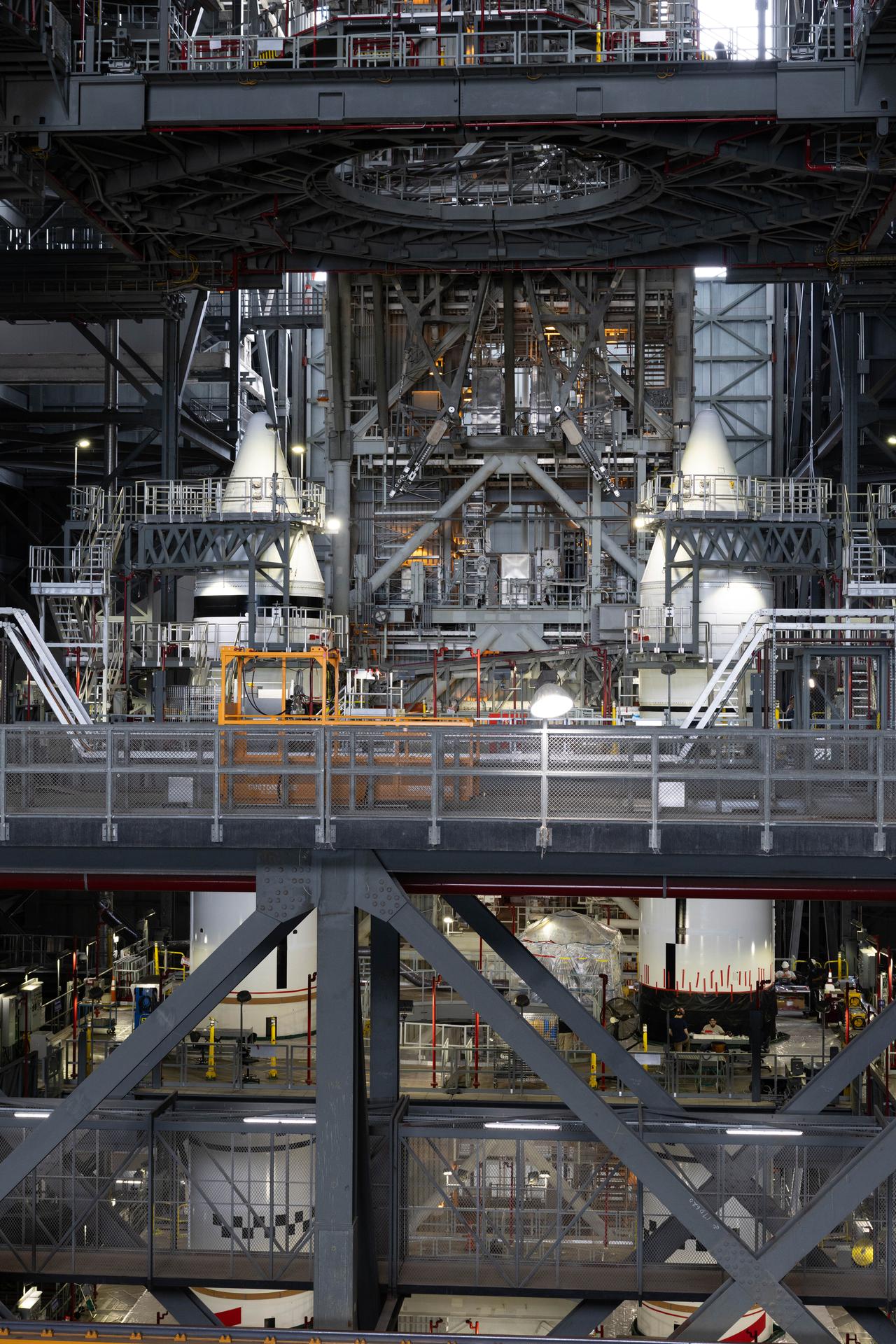
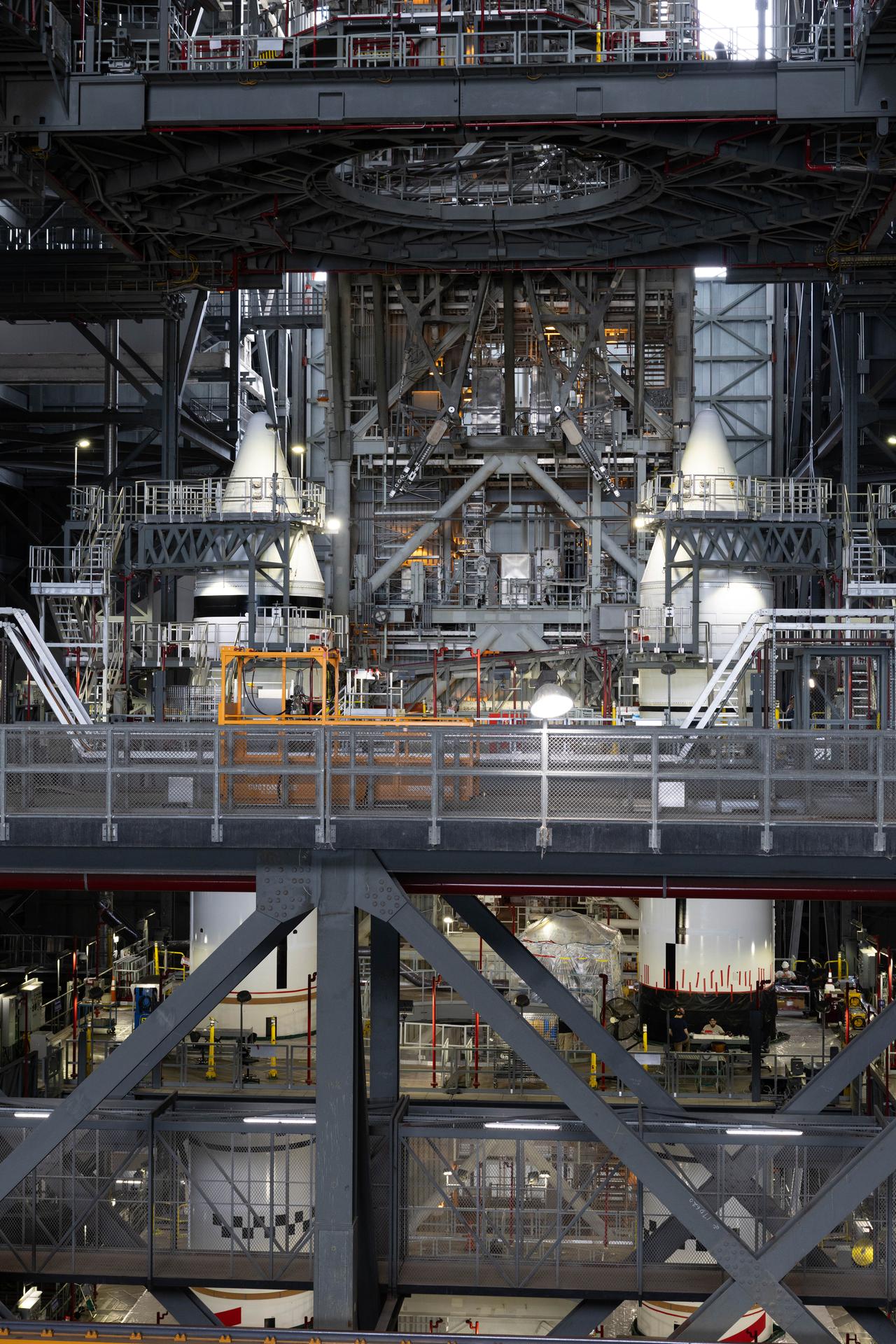
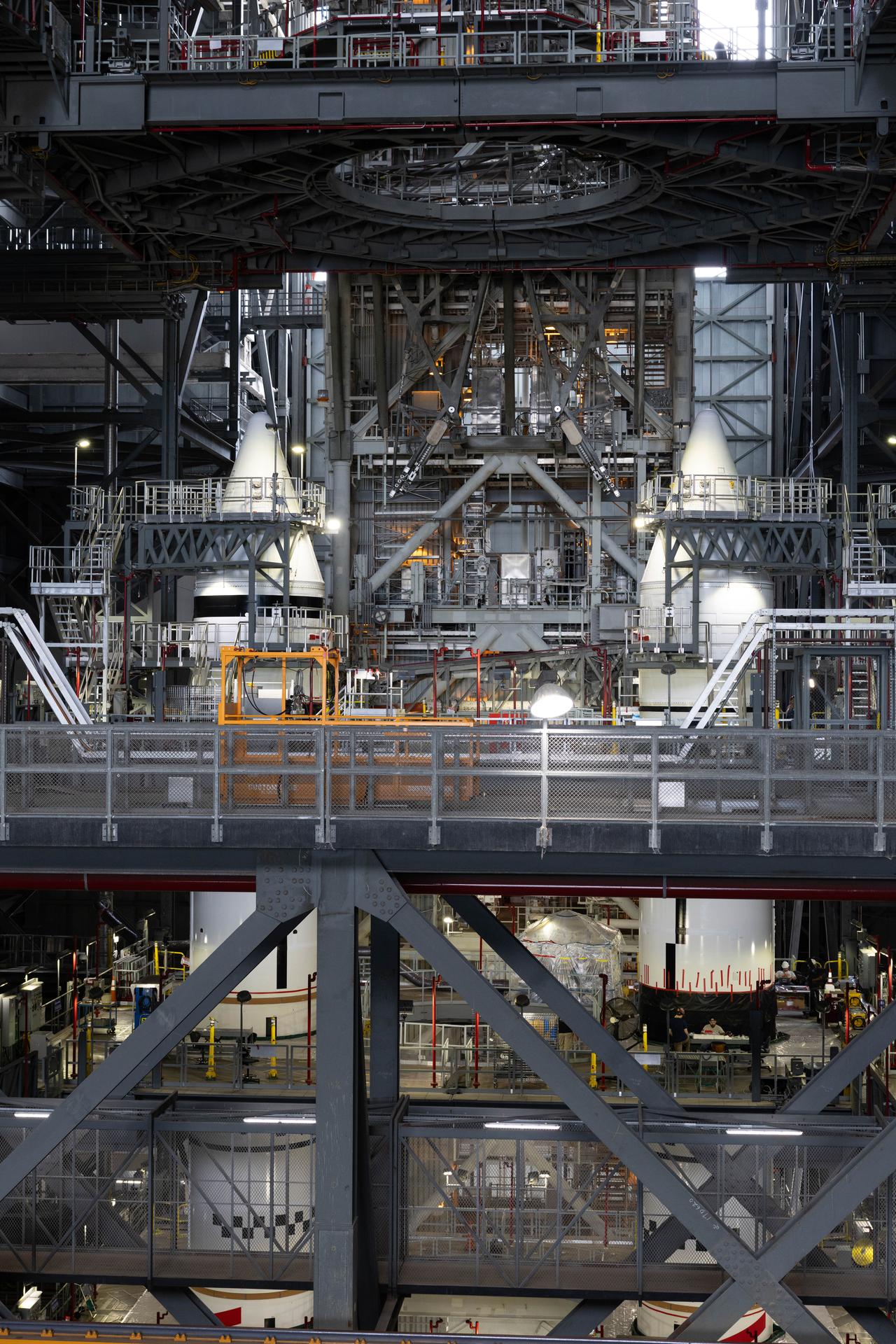
Progress on NASA’s Artemis III’s SLS (Space Launch System) rocket continues at NASA’s Kennedy Space Center in Florida, where teams have completed the integration of the final solid rocket booster motor segments onto the mobile launcher for the “short stack” configuration that will be used during a tanking test. Teams also completed installation of all four RS-25 engines on the SLS core stage.
Teams now will install the systems tunnel that runs the length of the core stage and is used to route pyrotechnic cabling, a system of wiring that allows the single-use, quick disconnect for controlled movements during liftoff, on the massive stage. In the coming weeks, the stage will be integrated with the solid rocket boosters, completing the rocket’s “short stack” configuration.
NASA will roll the short stack SLS rocket from the spaceport’s Vehicle Assembly Building to Launch Pad 39B for a tanking test in the coming months, where the Artemis launch team will practice procedures and timelines for loading propellant. While at the pad, the Artemis III crew, NASA astronauts Randy Bresnick, Frank Rubio, Andre Douglas, and ESA (European Space Agency) astronaut Luca Parmitano, also will conduct a launch day rehearsal and emergency exit walkdown. This will include suiting up in astronaut crew quarters, driving to the launch pad, ascending the mobile launcher, and then walking through the exit route they would take in the unlikely event of an emergency during launch countdown.
Additional hardware updates
At Launch Pad 39B, teams continue the refurbishment of the flame deflector, which saw minimal damage after the Artemis II launch. The bricks on the flame trench itself were not affected by the launch due to ground support improvements informed by lessons learned after Artemis I in 2022.
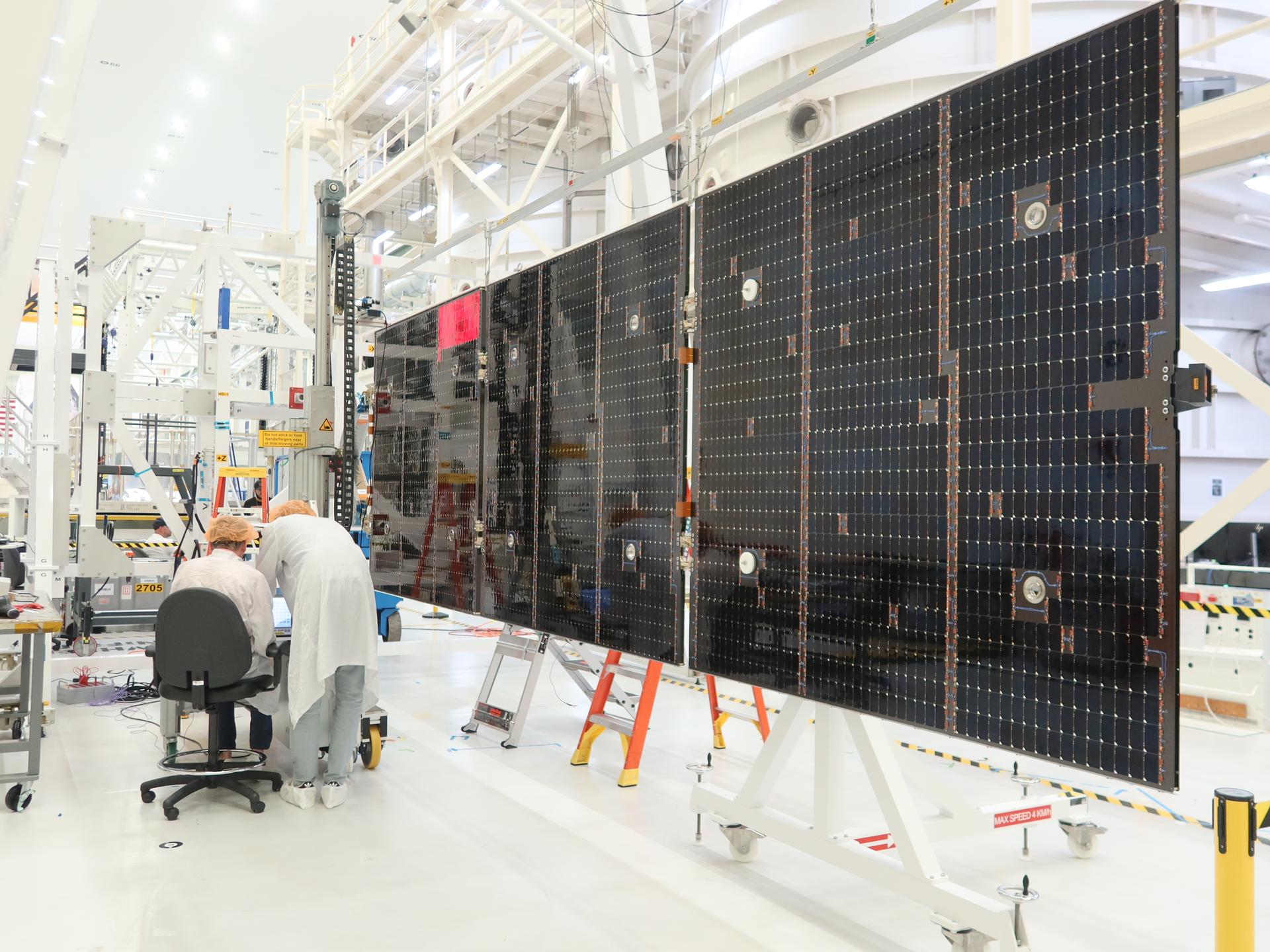
Teams are continuing to work through testing on the Orion spacecraft. Recently, engineers with ESA and Airbus inspected the solar array wings, which deliver power to the service module that provides propulsion, thermal control, and electrical power to the spacecraft, as well as air and water for the crew.
At NASA’s Marshall Space Flight Center in Huntsville, Alabama, the forward and aft rings were welded on the Artemis III spacer, completing the primary structure. The spacer will serve to represent upper stage dimensions during the mission. The dimensional checks are underway.
Engineers also are converting two existing structural test articles, the Orion stage adapter and launch vehicle stage adapter, into flight-ready hardware. Exterior painting on the Orion stage adapter was recently completed at NASA Marshall, with cables and brackets to be installed soon. The launch vehicle stage adapter has undergone detailed inspection and preparation, with corrosion removal nearly complete, and nondestructive evaluation will begin this fall. Following that evaluation, technicians will apply conversion coating to the interior, prime and paint the exterior, and spray the cone-shaped adapter with thermal protection spray foam.
The spacer and both adapters remain on track to ship to Kennedy early next year.
Crew training continues
The Artemis III crew has continued a variety of training activities to prepare for their mission. Recently, they completed lessons on the flywheel exercise device, practicing hardware setup, anticipated exercises, and equipment disassembly. This compact device, about the size of an extra-large shoe box, uses pulleys and a torque limiter to mimic a rowing machine, allowing aerobic, resistive, and rowing exercises with straps attached to either a bar or harness.
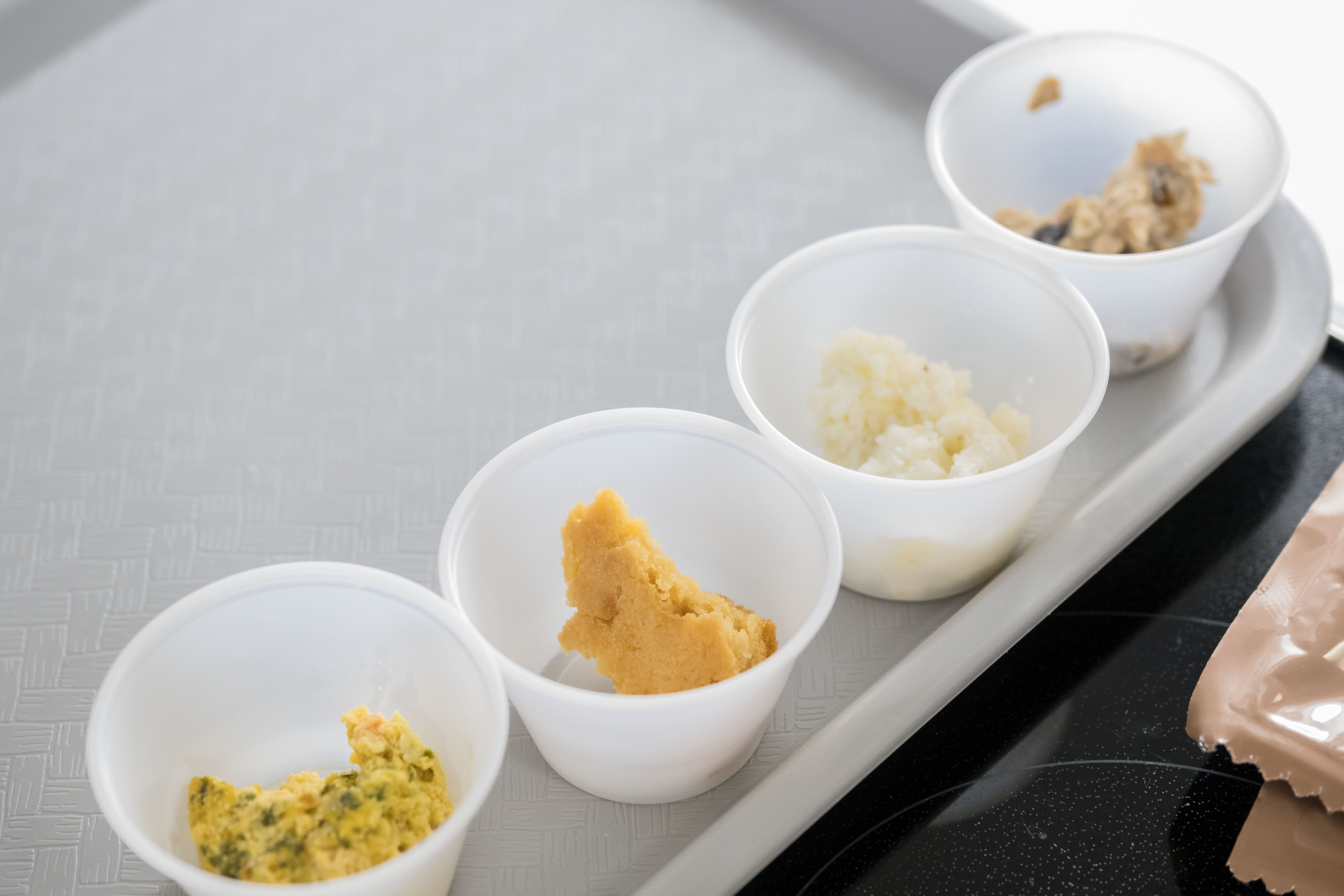
Nutrition also is a key focus. At NASA’s Space Food Systems Laboratory in Houston, crew members sampled nearly 200 items on the menu to select their favorites for the mission, ensuring their health and performance are supported throughout.
The crew concluded helicopter underwater egress training, practicing escape from a submerged, upside-down mock helicopter cabin in a controlled pool environment to prepare for potential off-nominal water crash-landings.
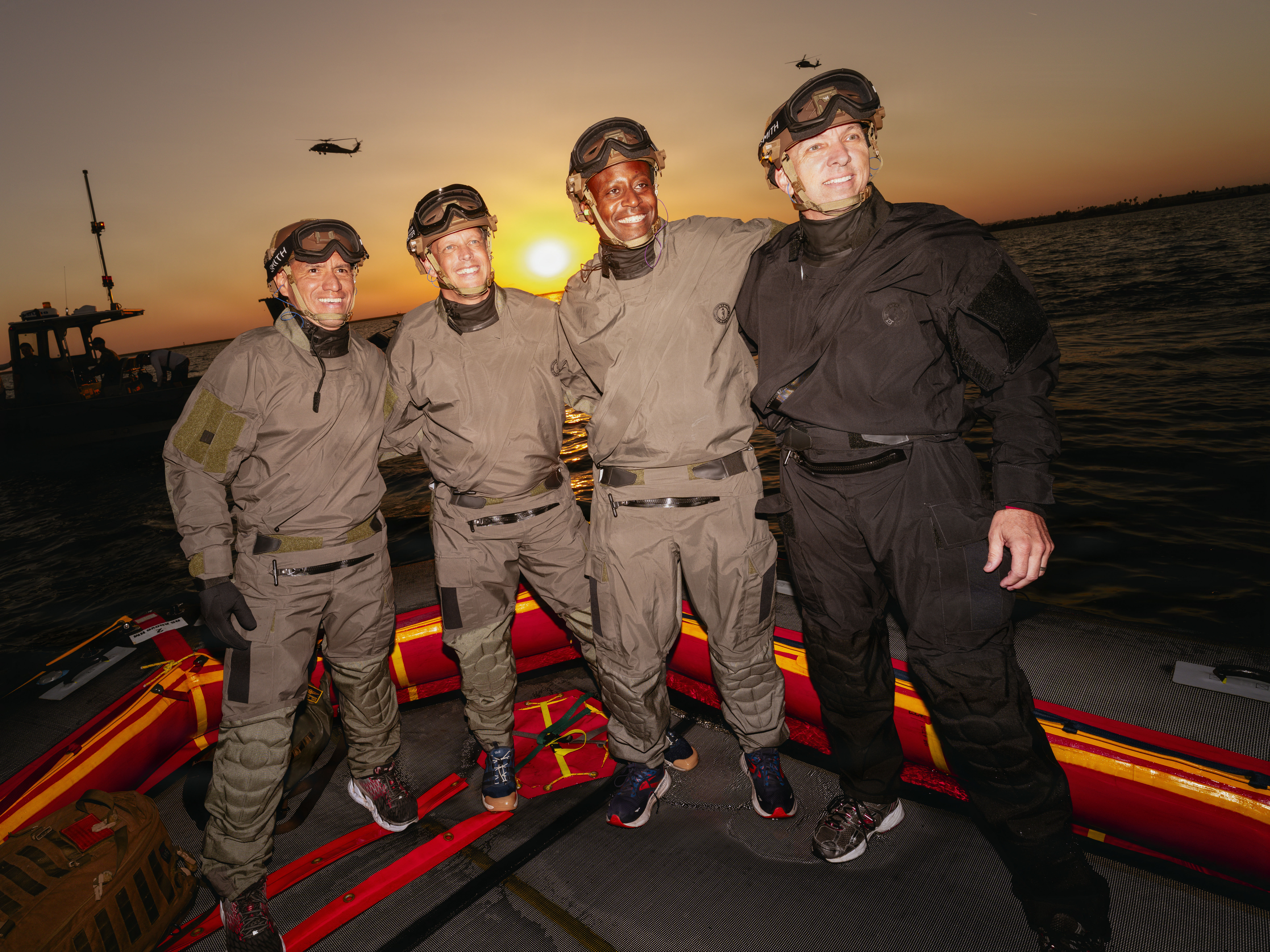
Last week, members of the Artemis III crew traveled to San Diego to participate in recovery training with NASA and military partners, practicing water lifts by U.S. Navy helicopters.
They completed several suited training activities in the Orion Crew Survival System Suits this week, preparing for post-insertion, deorbit procedures, and emergency responses. These activities included communication system checks, suit operations, emergency equipment handling, contingency drills, and cabin configuration with stowage, ensuring the crew is ready for any scenario that may arise.
In September, the full Artemis III crew and backup astronauts visited Florida together for the first time since their crew announcement earlier this year. The astronauts visited their Orion spacecraft, saw the integrated solid rocket boosters on top of the mobile launcher, and viewed the core stage undergoing final processing ahead of integration. The crew also visited commercial partners SpaceX and Blue Origin to become more oriented with the lunar lander providers’ progress, marking one more milestone in preparation for the daring Artemis III mission.
For more information on the mission, visit:
https://www.nasa.gov/mission/artemis-iii/