


NASA’s Artemis II crew traveled around the Moon and back and, along the way, captured stunning imagery and scientific observations of our nearest neighbor. NASA is making the full lunar science dataset from their journey available Wednesday to the global science community and the public for further study.
More than 800 gigabytes of Artemis II lunar science data – some previously unreleased – have been uploaded to NASA’s Planetary Data System, the public archive for NASA’s planetary missions. This data release includes more than 11,000 full-resolution images and video of the Moon from the crew’s handheld cameras and the Orion spacecraft’s cameras, 8.5 hours of audio recordings of the crew’s scientific observations of the lunar surface, and crew-annotated images.
When combined, the images, audio files, and crew notes from the expedition provide a powerful lunar science dataset ripe for exploration and analysis. This is the first planetary science dataset captured primarily by humans in more than half a century and humanity’s influence on it is clear. Through training in classrooms, simulations, and field environments, NASA astronauts Reid Wiseman, Victor Glover, and Christina Koch, and CSA (Canadian Space Agency) astronaut Jeremy Hansen developed expertise in lunar geography, geology, and observational best practices. Their quick decisions about observation targets and which images to capture, along with their perceptions of color and dynamic changes, and discussions about the science of the lunar surface and its surroundings complement decades of data from Apollo astronauts and robotic explorers and deepen our understanding of the Moon as NASA prepares for long-term exploration of the lunar surface.
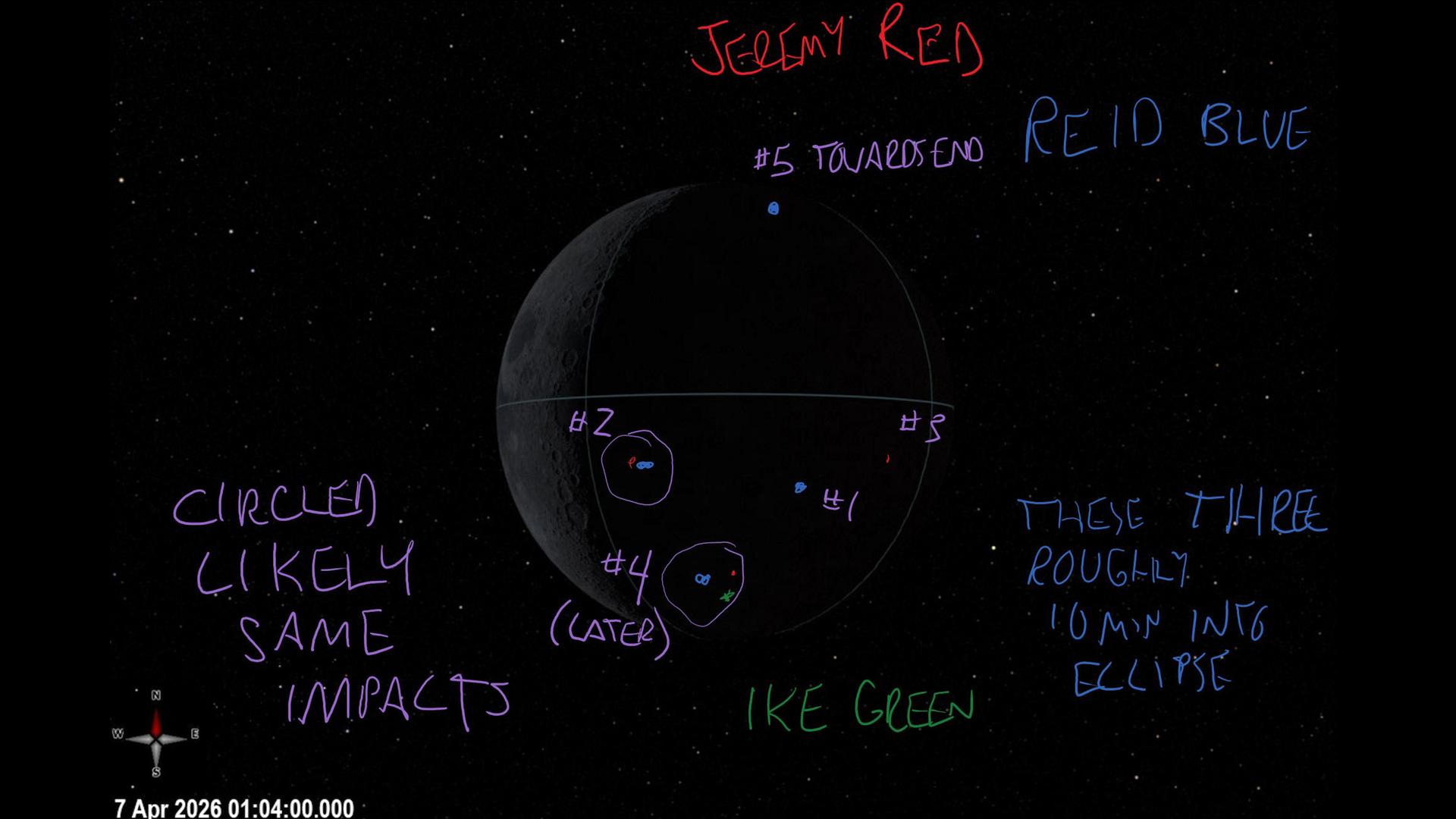
Along with this data, NASA has released the Artemis II Preliminary Lunar Science Report, the Artemis II Lunar Science Operations Report, and the Artemis II Lunar Science Data User Guide. Together, these three publications provide an overview of the Artemis II lunar mission data and activities, and a technical summary of how the science plan was developed and implemented. This information is already helping inform NASA’s exploration plans for Artemis III and beyond.
For more information on the Artemis II lunar science data release, visit:
https://go.nasa.gov/Artemis2LunarScience
Karen Fox / Molly Wasser
Headquarters, Washington
202-358-1600
karen.c.fox@nasa.gov / molly.l.wasser@nasa.gov