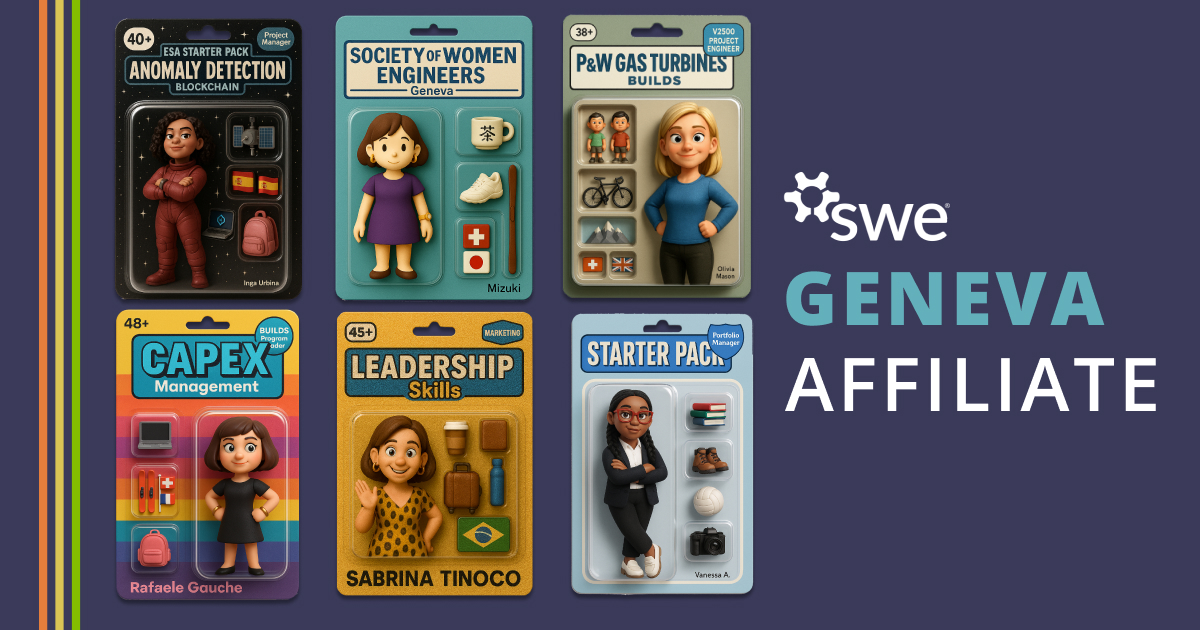
SWE Geneva Networking Session: From Voice to Vision: Building Your Brand With AI
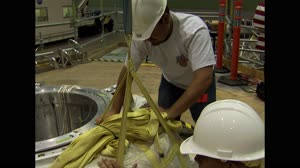
Read about how the SWE Geneva Affiliate brought together members across Europe for an inspiring workshop on personal branding with AI. Source

Read about how the SWE Geneva Affiliate brought together members across Europe for an inspiring workshop on personal branding with AI. Source
NASA's Armstrong Flight Research Center in Edwards, California, has a storied history of spaceflight and aeronautics research. Today, the center carries on the traditions of Neil Armstrong, and others, by supporting NASA's return to the Moon with Artemis Il and follow on space missions.
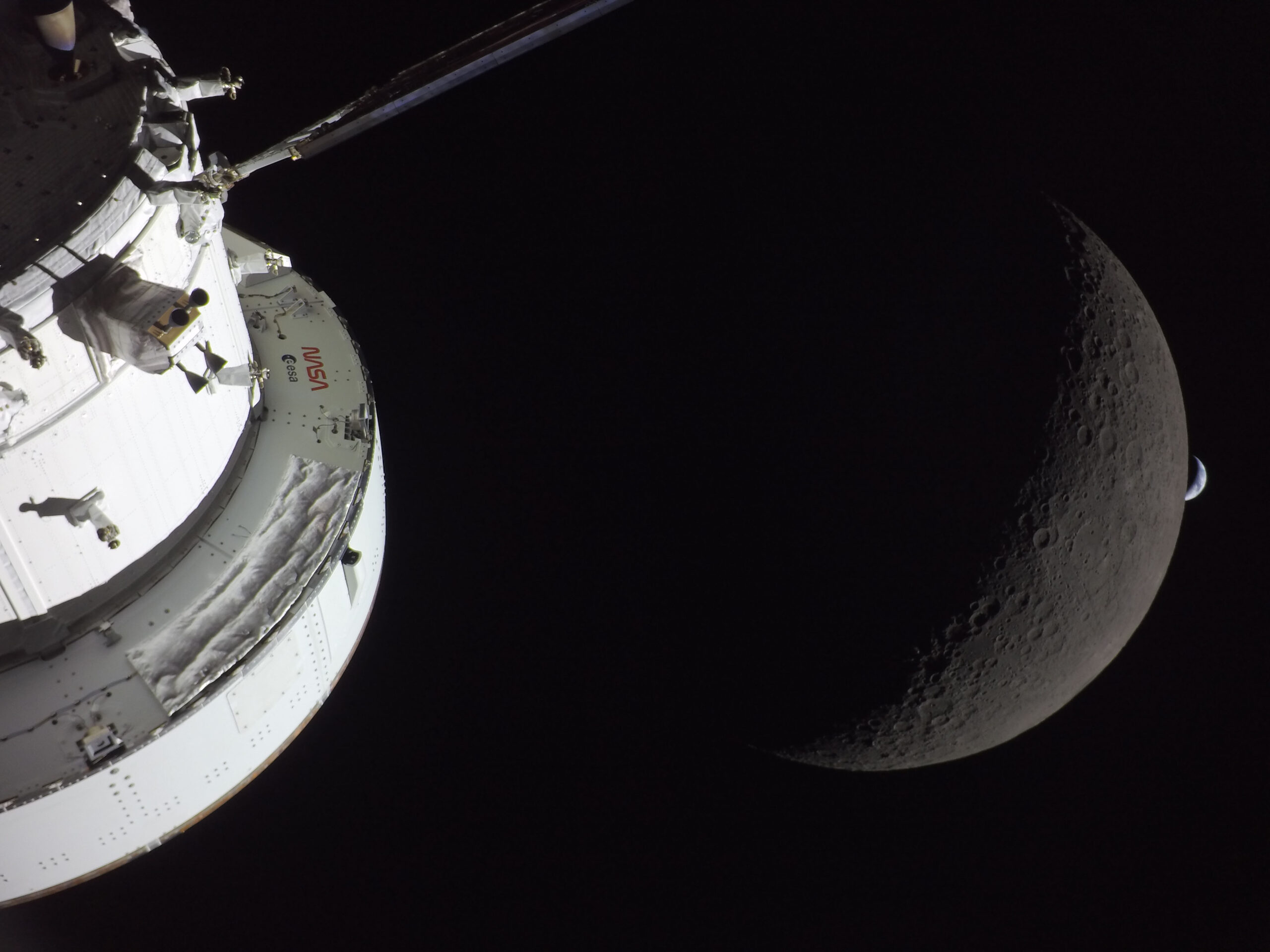
art002e009567 (April 6, 2026) - NASA’s Orion spacecraft captures the Moon and the Earth in one frame during the Artemis II crew’s deep space journey at 6:42 p.m. ET on the sixth day of the mission. The right side of NASA’s Orion spacecraft is seen lit up by the Sun. A waxing crescent Moon is [...]
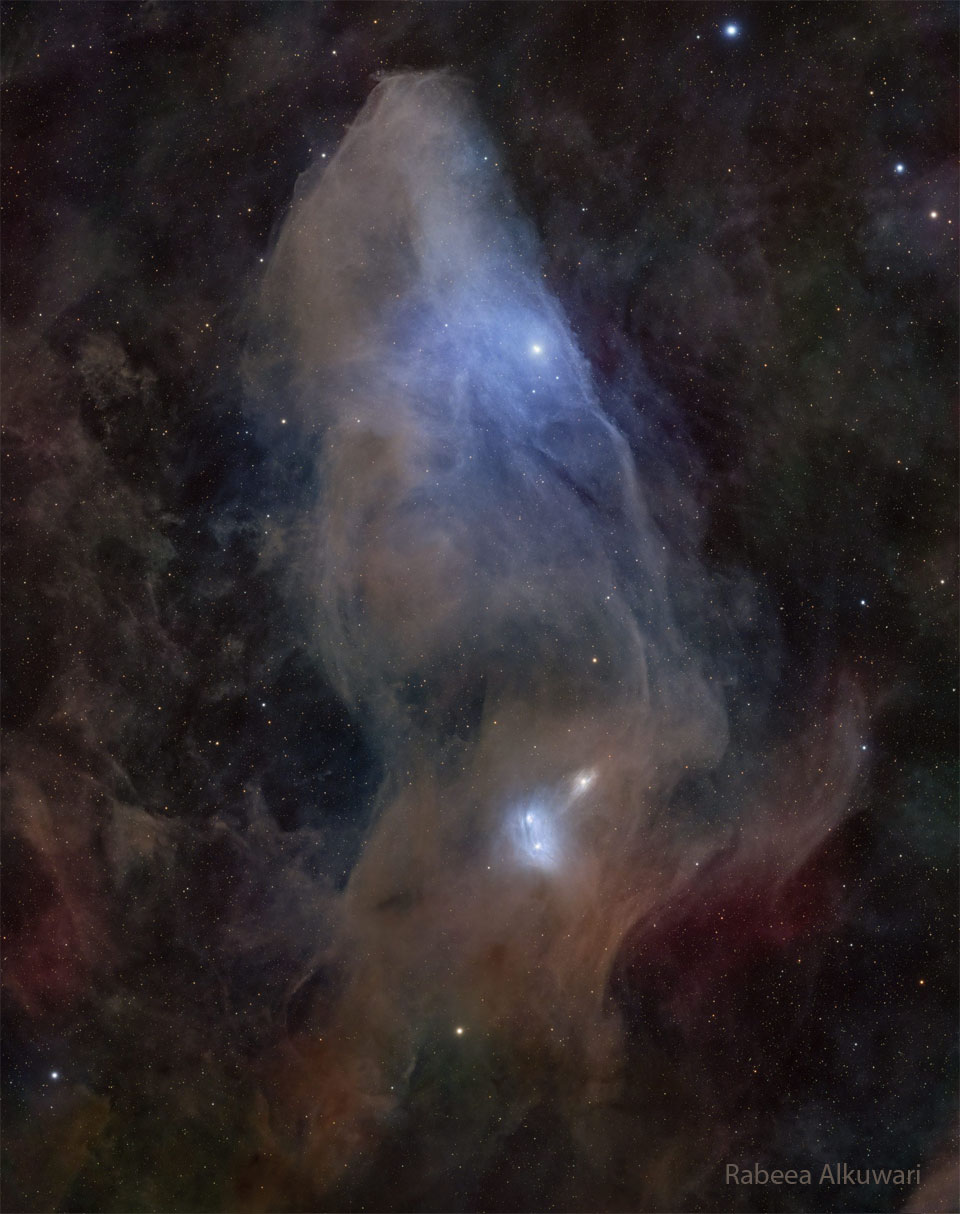
Photo of the Day Do you see the horse's head? What you are seeing is not the famous Horsehead nebula toward Orion, but rather a fainter nebula that only takes on a familiar form with deeper imaging. The main part of the here-imaged molecular cloud complex is reflection nebula IC 4592. Reflection nebulas are [...]
Get ready — we’re hitting the road in 2027, and we’re bringing the energy, connections, and career-changing opportunities of the WE Annual and WE Local conferences to three incredible U.S. cities. Source
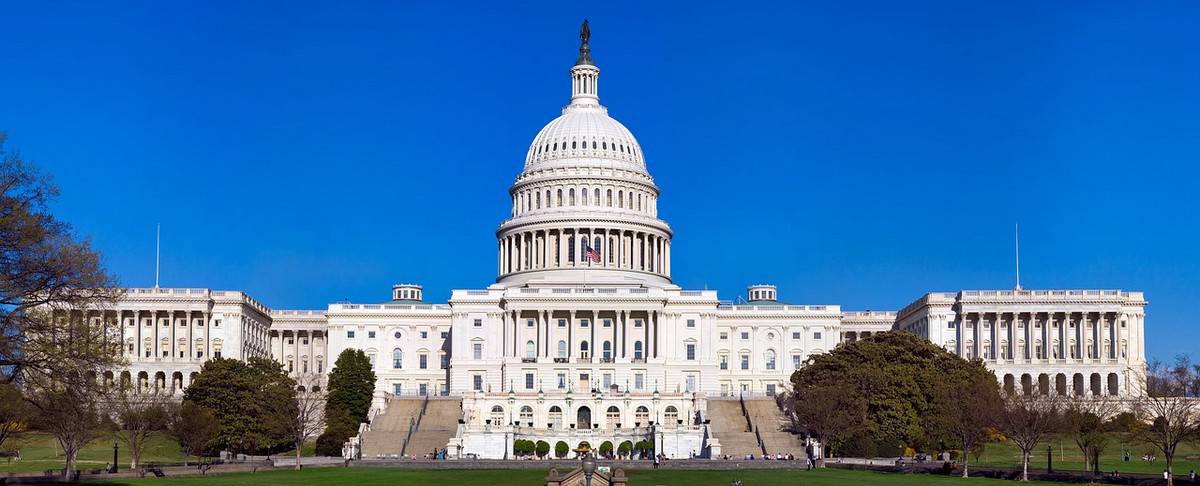
One SWE member travels across the country to participate in SWE's Congressional Outreach Days. Source
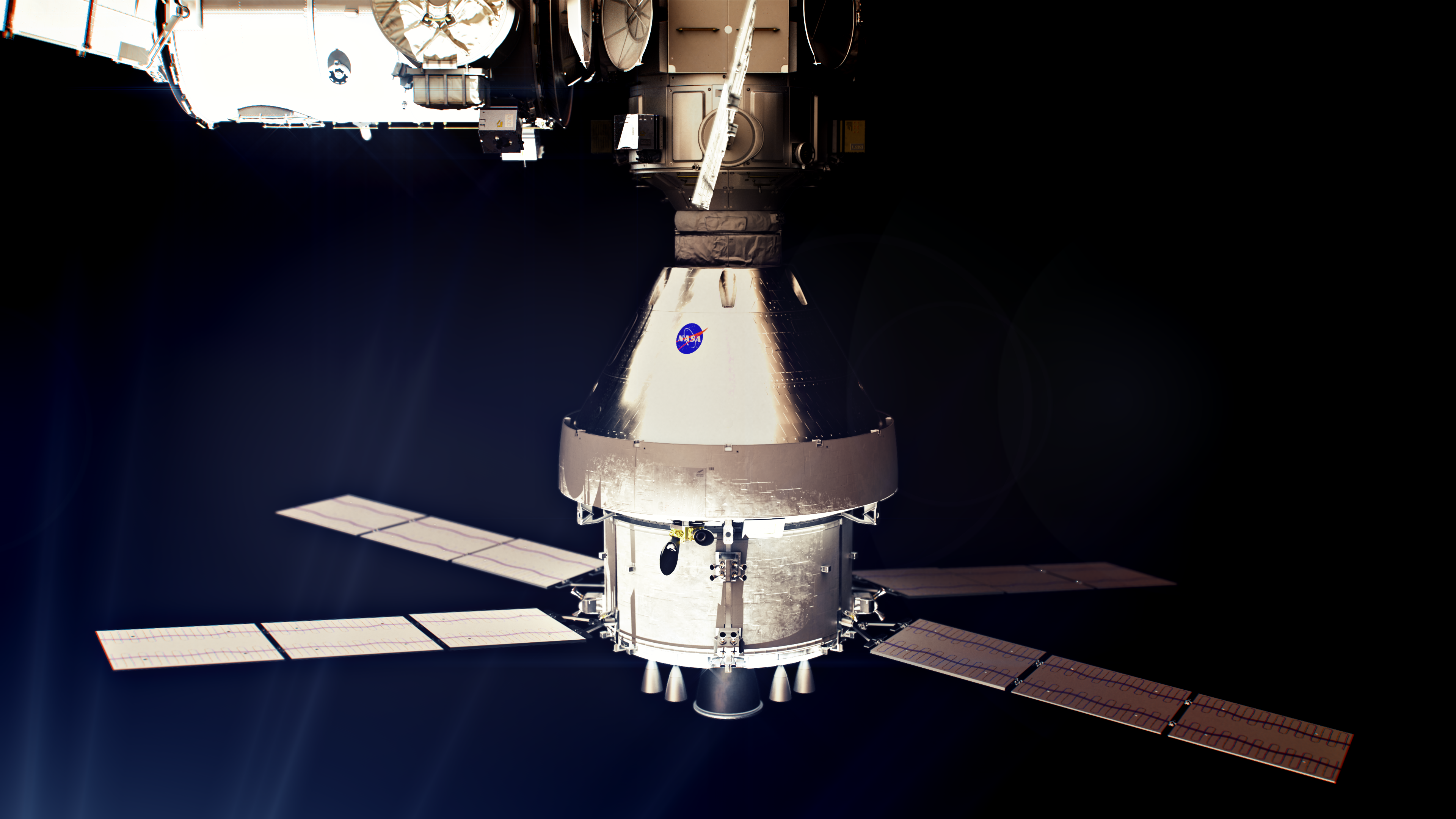
The Orion spacecraft docked to the Gateway space station. Orion will visit Gateway for the first time on the Artemis IV mission when astronauts will use it to deliver the International Habitat (I-Hab) module to Gateway. Orion will return to Gateway to deliver additional elements on Artemis V and VI. [...]
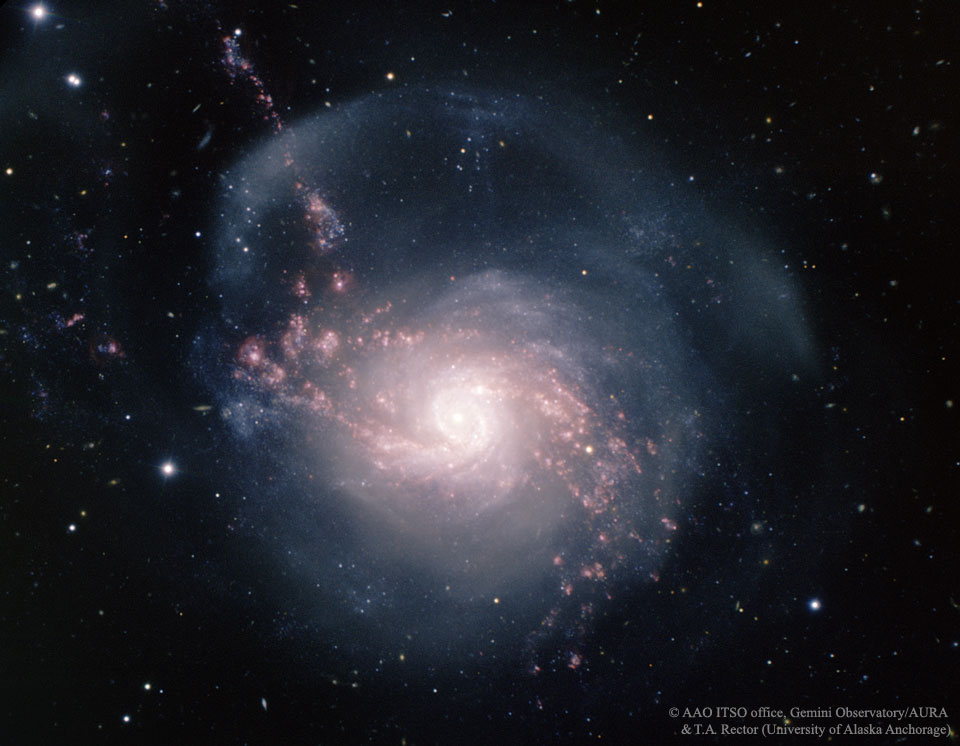
Photo of the Day The party is still going on in spiral galaxy NGC 3310. Roughly 100 million years ago, NGC 3310 likely collided with a smaller galaxy causing the large spiral galaxy to light up with a tremendous burst of star formation. The changing gravity during the collision created density waves that compressed [...]
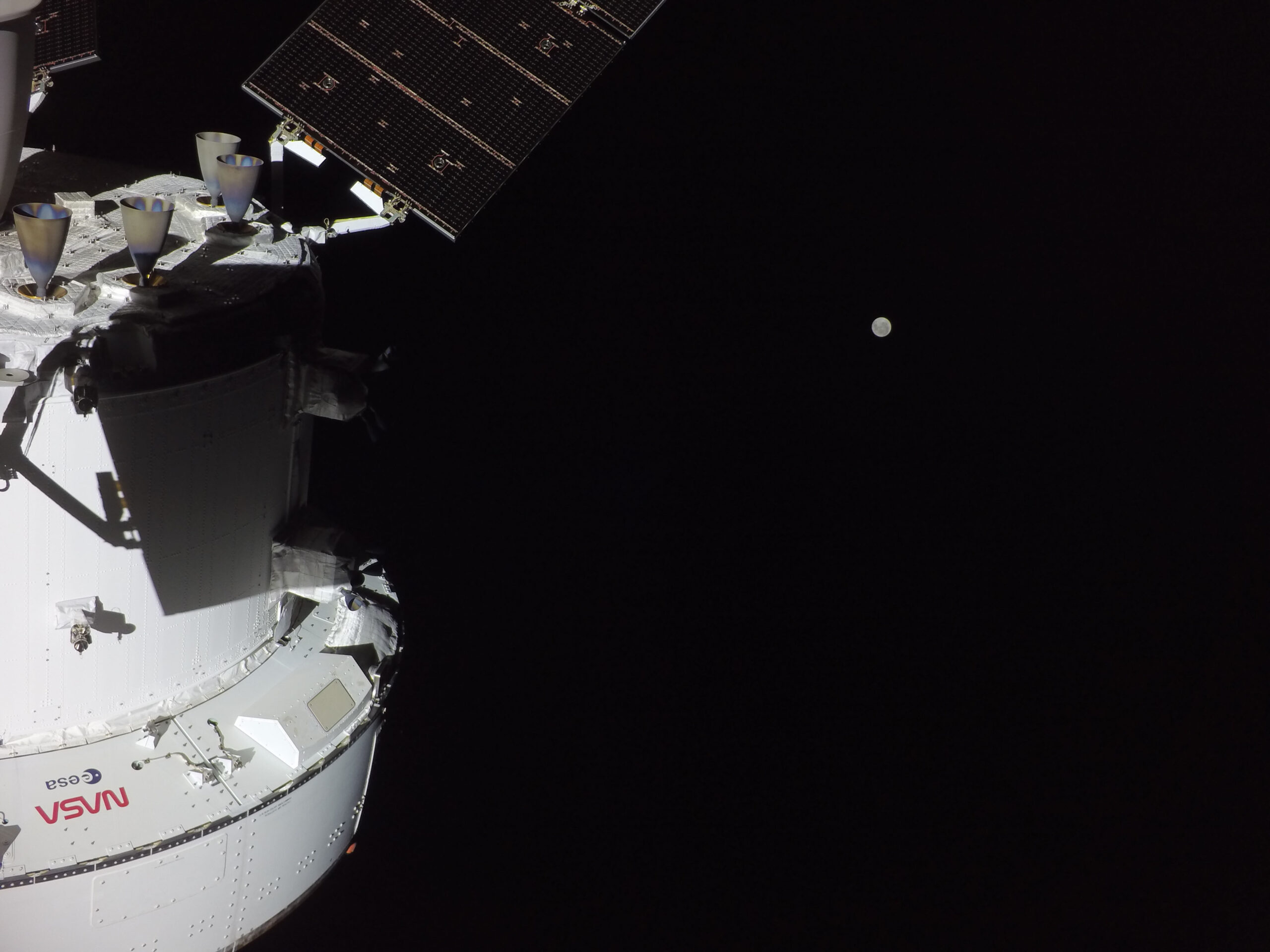
art002e004429 (April 3, 2026) - The Artemis II crew is en route to the Moon on the second flight day of the mission. This photo shows the Orion spacecraft with the Moon in the distance, as captured by a camera on the tip of one of its solar array wings. [...]
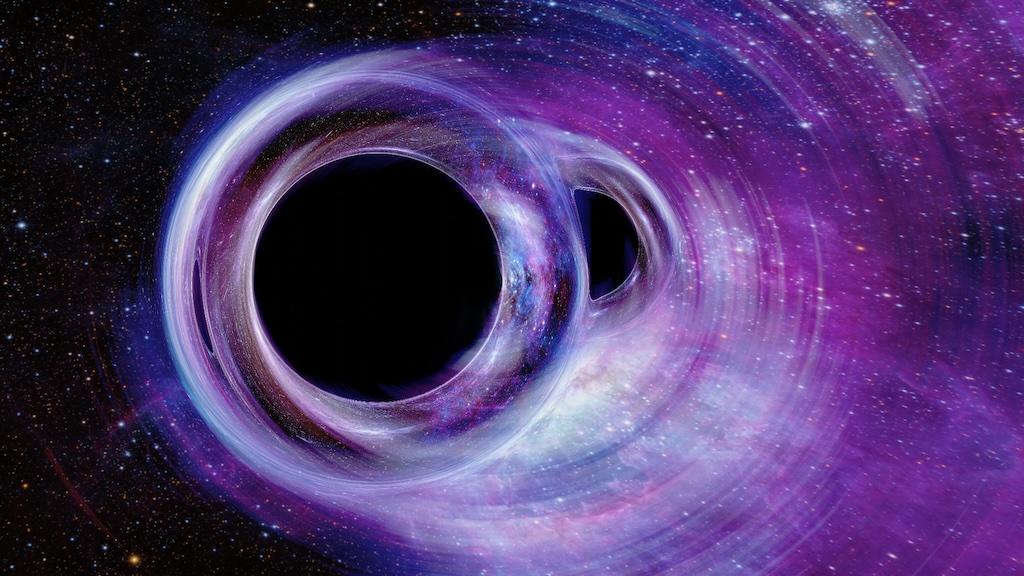
Photo of the Day How can we see what is invisible? Black holes are not easy to see in the dark cosmic night, but astronomers can find them by analyzing their gravitational effects on matter, light and spacetime. The featured image shows an illustration that combines a simulation of a black hole binary system [...]