
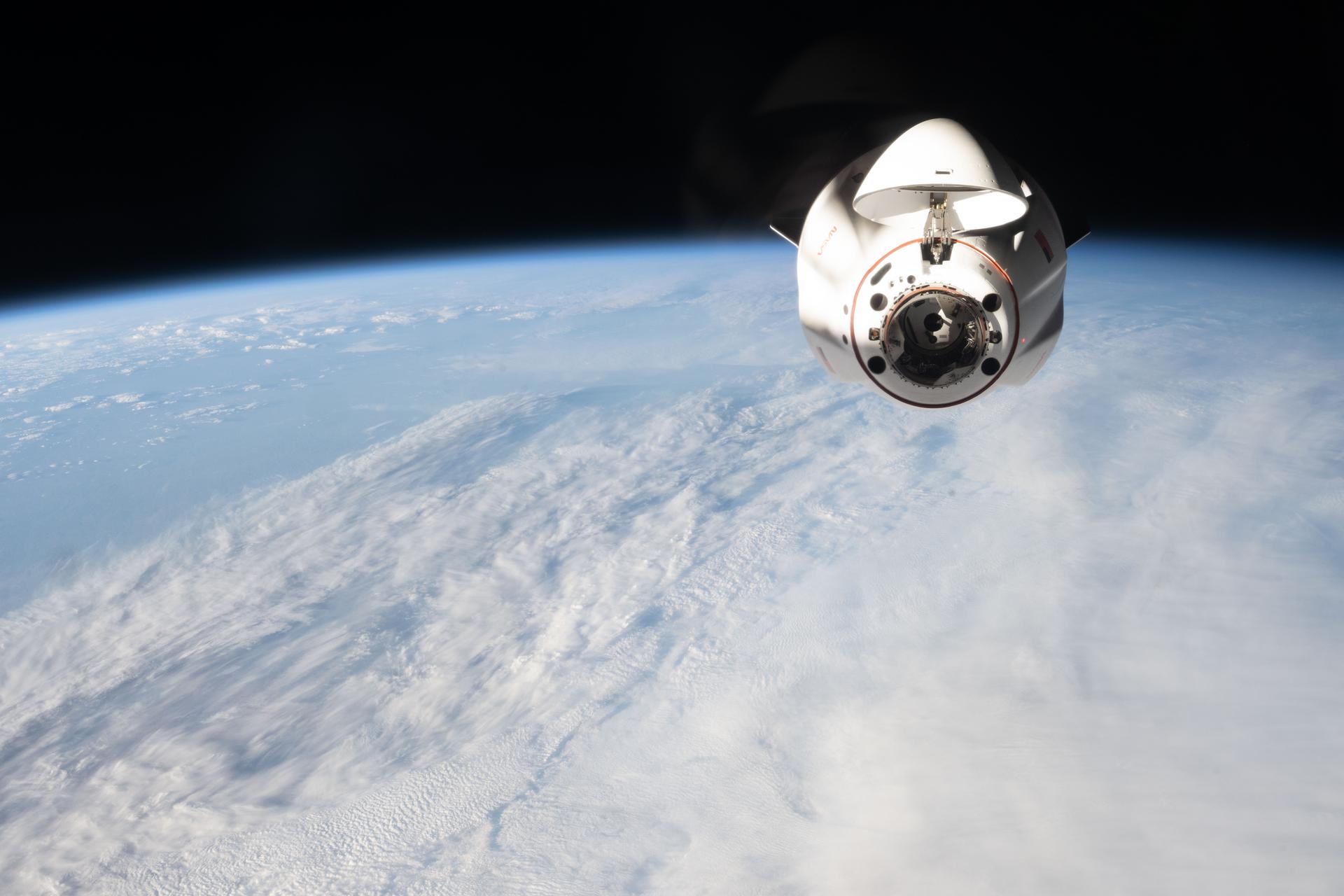
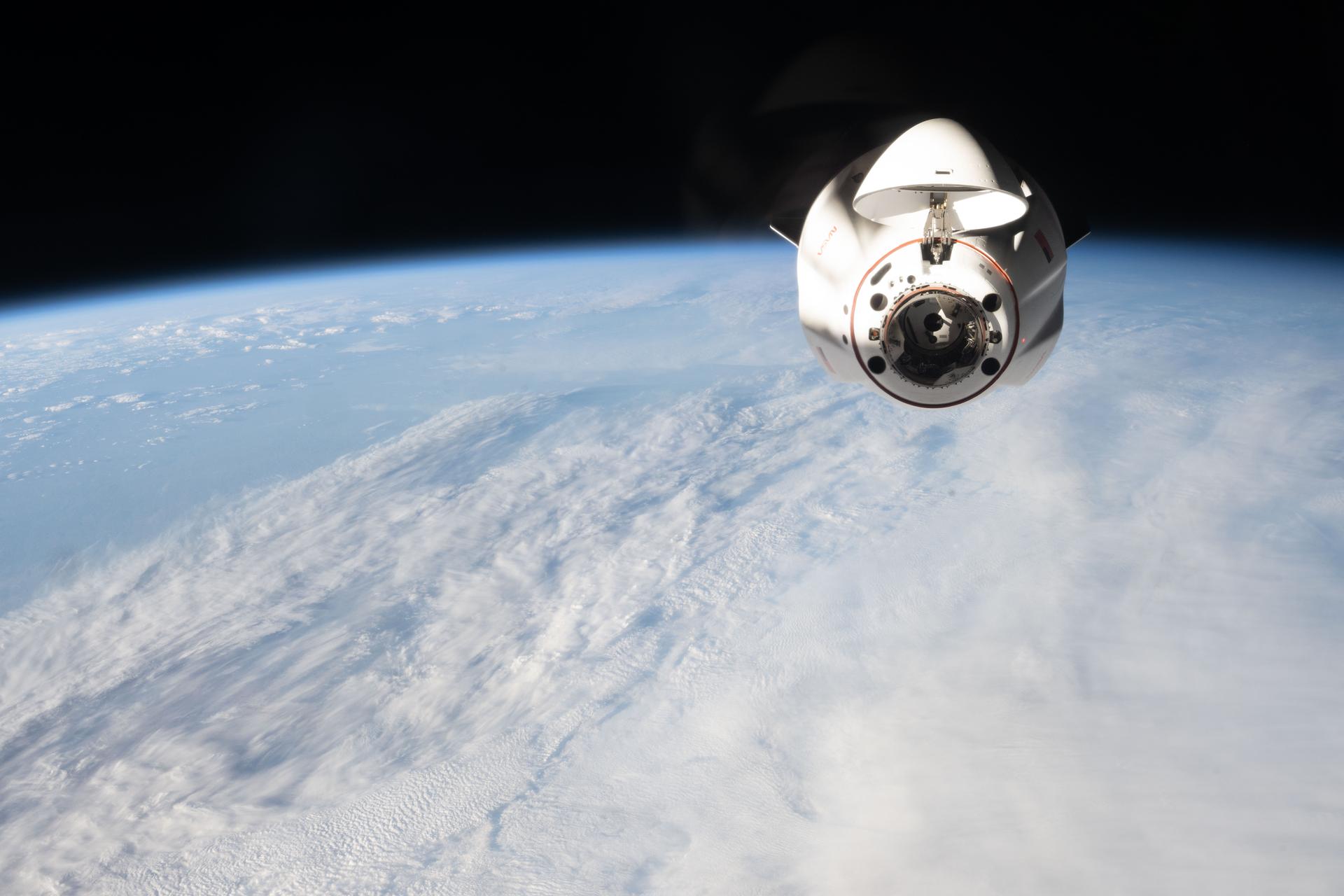
The Expedition 74 crew explored advanced treatments for cancer and cartilage injuries on Tuesday using the weightless environment to gain new biomedical insights. The orbital residents also continued gearing up for a spacewalk planned at the end of the month outside the International Space Station.
Space Cancer Therapeutics, one of the newest investigations delivered aboard the SpaceX Dragon, is getting underway aboard the orbital outpost. NASA flight engineer Chris Williams set up the cancer research hardware inside one of the Kibo laboratory module’s research racks to begin observing microgravity’s effect on an anti-cancer drug and its molecular mechanisms. Results may lead to the development of more effective therapies to treat pancreatic cancer both on Earth and in microgravity.
NASA flight engineer Jessica Meir is exploring ways to grow cartilage tissue in space using specialized hardware to form more natural structures. Meir processed and preserved cartilage samples—grown on Earth and launched aboard Dragon—inside Kibo’s Life Science Glovebox. The tissue samples will be incubated inside the Space Automated Bioproduct Laboratory to learn how to improve cartilage tissue engineering methods in weightlessness. Insights may provide new fitness regimens to protect astronaut health and promote the development of advanced implants to repair and regenerate injured cartilage in patients on Earth.
NASA flight engineer Jack Hathaway kicked off his shift swapping hardware inside the Advanced Space Experiment Processor-2 to support a biotechnology study that explores the synthesis of pharmaceutical compounds. Next, Hathaway serviced a centrifuge in the Columbus laboratory module’s Human Research Facility. At the end of his shift, he photographed new botany research hardware delivered aboard Dragon that will support the growth of microgreens, or plants with higher vitamin and mineral content than mature leaves, as part of a healthy diet for astronauts.
Flight engineer Sophie Adenot of ESA (European Space Agency) worked throughout Tuesday supporting a variety of research taking place aboard the orbital outpost. Adenot began her shift inside the cupola and pointed a camera toward the Moon capturing imagery of Earth’s light reflecting off the lunar surface. Next, she installed a humidifier on the Cell Biology Experiment Facility-L that is housing samples collected for William’s cancer research. Finally, she processed tubes containing biological and material samples shipped on Dragon for a variety of student-designed experiments.
Roscosmos cosmonauts Sergey Kud-Sverchkov and Sergey Mikaev inspected a pair of Orlan spacesuits ensuring life support and communications components were installed correctly and functioning correctly. The duo then studied the procedures for a spacewalk planned at the end of the month with a time and date to be officially announced soon by NASA.
Roscosmos flight engineer Andrey Fedyaev uploaded data to a computer configuring the European robotic arm for its use during the upcoming spacewalk. Next, he joined his cosmonaut crewmates and reviewed the spacewalking activities slated to be conducted outside the orbiting lab.
Learn more about station activities by following the space station blog, @space_stationon X, as well as the ISS Facebookand ISS Instagram accounts.
Get the latest from NASA delivered every week. Subscribe here.