
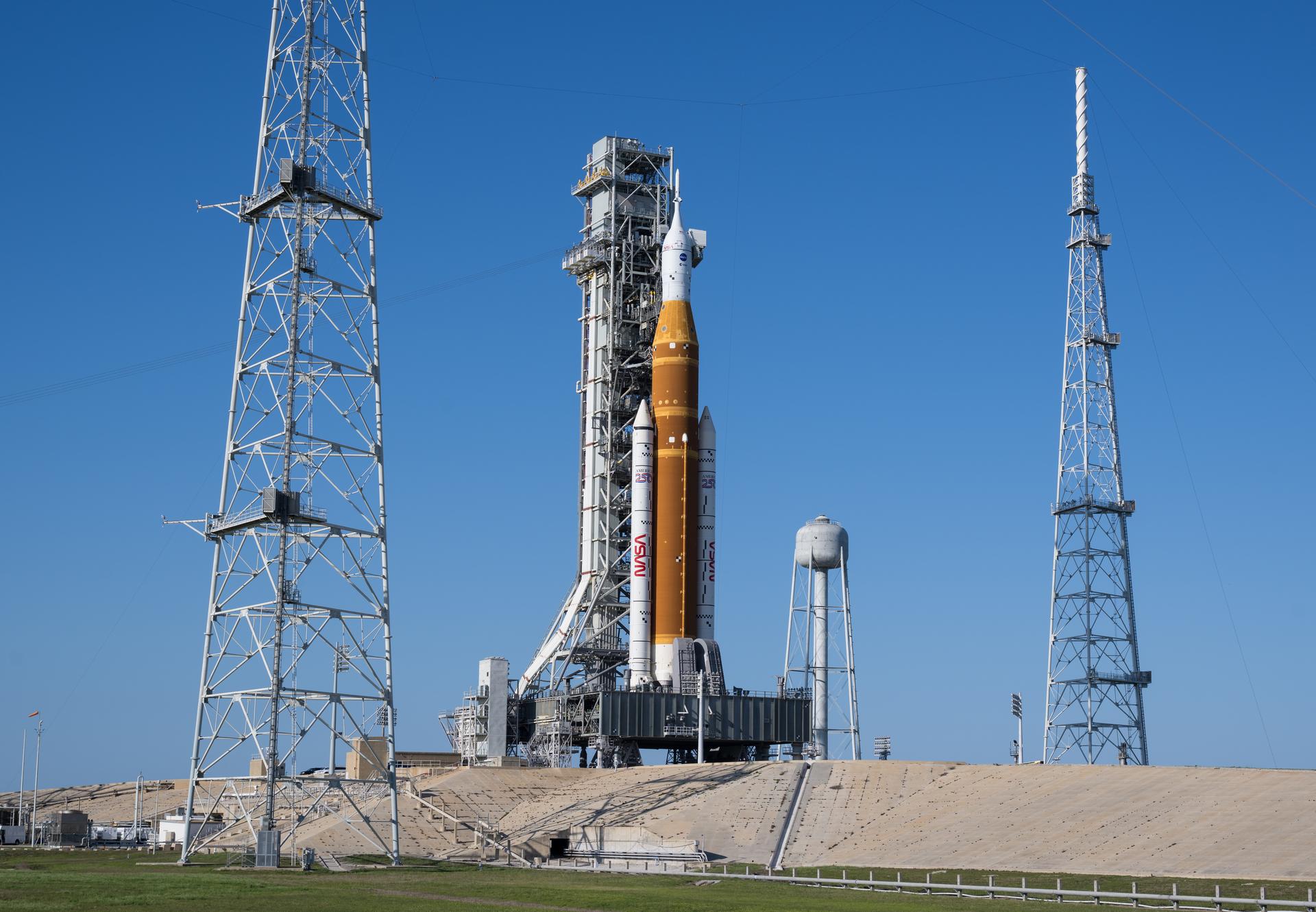
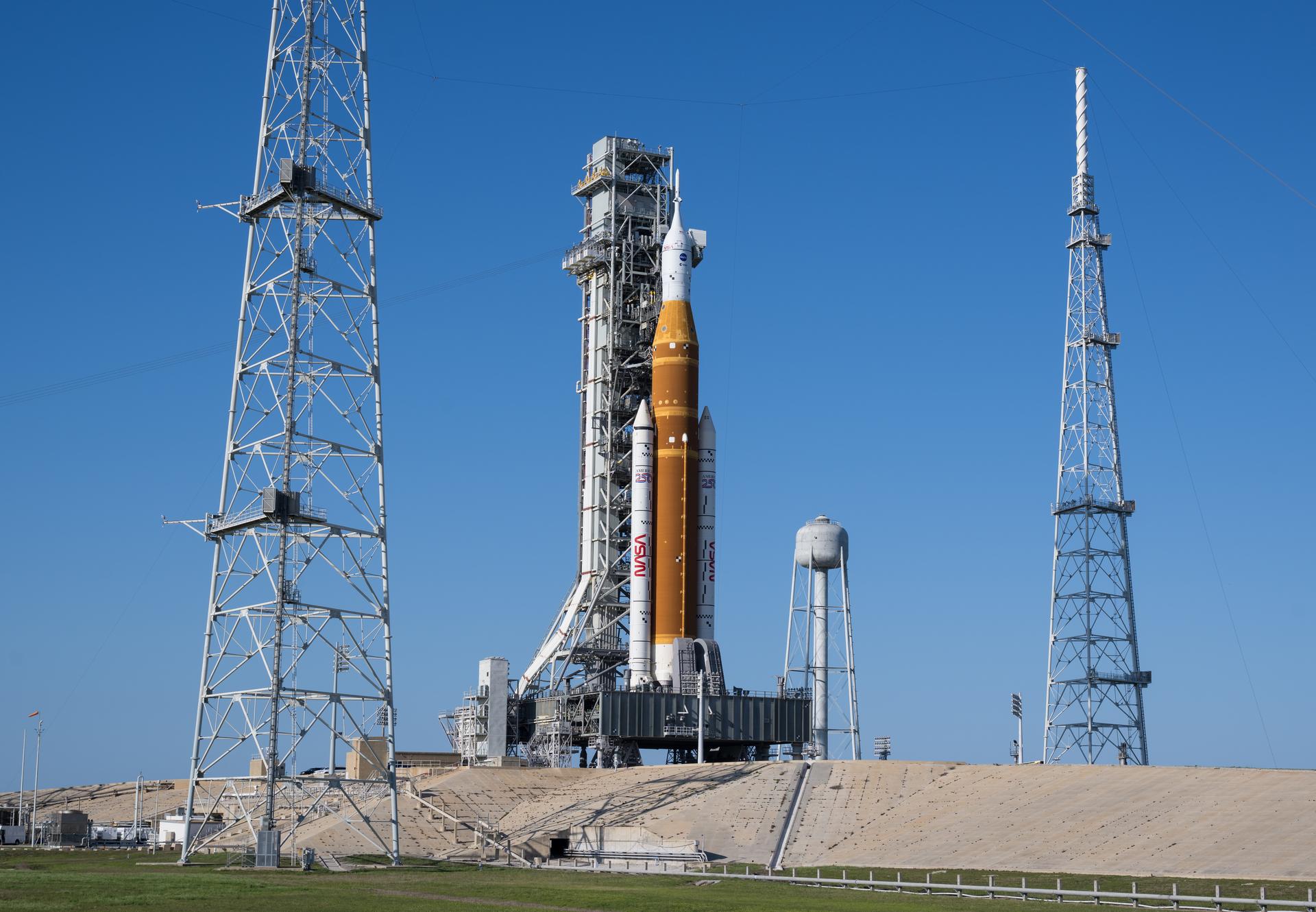
Live updates for launch of NASA’s Artemis II test flight will be published on this page. All times are Eastern.
7:58 a.m.
The Artemis II launch team is now performing the liquid oxygen main propulsion system chilldown on the SLS (Space Launch System) rocket core stage.
Follow along with live coverage of tanking operations ahead of the Artemis II test flight.
7:44 a.m.
The Artemis II launch team initiated liquid oxygen (LOX) and liquid hydrogen (LH2) transfer line chilldown for the SLS (Space Launch System) rocket core stage.
Chilldown is a critical step in preparing the rocket for safe and efficient fueling, reducing risks and maintaining system integrity. The process gradually cools the rocket’s plumbing and engine systems to cryogenic temperatures using super-cold liquid hydrogen, helping to prevent thermal shock and ensuring the hardware is conditioned for the full flow of propellant during tanking.
Once chilldown is complete, teams will initiate slow fill followed by fast fill tanking operations as they load 700,000 gallons of super-cold liquid oxygen and liquid hydrogen in the SLS core stage.
Below are the as scheduled times for core stage slow and fast fill operations:
- L-9H55M – L-9H25M: Core stage LH2 slow fill start
- L-9H40M – L-9H30M: Core stage LOX slow fill
- L-9H30M – L-6H40M: Core stage LOX fast fill
- L-9H25M – L-8H: Core stage LH2 fast fill
Live coverage of tanking operations is now airing on NASA’s YouTube channel.
7:33 a.m.
Artemis Launch Director Charlie Blackwell-Thompson has given the official “go” for tanking, and NASA teams are ready to start loading propellants into the SLS (Space Launch System) rocket. This essential step kicks off with the chilldown of the core stage liquid oxygen and liquid hydrogen transfer lines, preparing the rocket for its historic mission.
Earlier this morning, engineers at NASA’s Kennedy Space Center in Florida performed the air-to-gaseous nitrogen changeover and cavity inerting, a critical step to ensure crew safety and vehicle integrity. During this phase, atmospheric air inside the rocket’s cavities is replaced with gaseous nitrogen, an inert gas that reduces the risk of combustion and contamination, creating a safe environment for subsequent fueling operations. By displacing oxygen and moisture, engineers maintain the purity and stability of the rocket’s internal systems before cryogenic propellant loading begins.
The launch countdown, which started Monday at 4:44 p.m. EDT, is currently in a built-in hold. This planned pause is a critical checkpoint in the countdown sequence, allowing teams to complete essential tasks and verify system readiness before moving forward.
During this hold, engineers perform final configuration checks, review system health, and ensure all launch criteria are met. It’s also a window for resolving any minor issues without impacting the overall timeline. These holds are standard in complex missions like Artemis II, providing flexibility and confidence as we prepare to send astronauts on a journey around the Moon.
NASA’s launch day coverage begins with live views and audio commentary of tanking operations, as teams load propellant into the SLS rocket, at 7:45 a.m. on NASA’s YouTube channel. Full launch coverage begins at 12:50 p.m. on NASA+, Amazon Prime, and YouTube. Updates during the launch countdown and throughout the mission will be posted here on the Artemis blog.
Below are the countdown milestones as planned for tanking:
- L-10H50M: Launch team decides “go” or “no-go” to begin tanking the rocket
- L-10H40M – L-10H35M: Core stage LOX transfer line chilldown
- L-10H40M – L-9H55M: Core stage LH2 chilldown
- L-10H25M – L-9H40M: Core stage LOX main propulsion system chilldown
- L-9H55M – L-9H25M: Core stage LH2 slow fill start
- L-9H40M – L-9H30M: Core stage LOX slow fill
- L-9H30M – L-6H40M: Core stage LOX fast fill
- L-9H25M – L-8H: Core stage LH2 fast fill
- L-9H05M – L-8H30M: ICPS LH2 chilldown
- L-8H30M – L-7H45M: ICPS LH2 fast fill start
- L-8H – L-7H55M: Core stage LH2 topping
- L-7H55M – terminal count: Core stage LH2 replenish
- L-7H45M – L-7H20M: ICPS LH2 vent and relief test
- L-7H20M – L-7H10M: ICPS LH2 tank topping start
- L-7H05M – terminal count: ICPS LH2 replenish
- L-6H40M – L-6H05M: Core stage LOX topping
- L-6H40M – L-6H30M: ICPS LOX main propulsion system chilldown
- L-6H30M – L-5H45M: ICPS LOX fast fill
- L-6H05M – terminal count: Core stage LOX replenish
- L-5H45M – L-5H30M: ICPS LOX vent and relief test
- L-5H30M – L-5H10M: ICPS LOX topping
- L-5H10M – terminal count: ICPS LOX replenish
- L-5H10M: All stages replenish
- T-6M: GLS go for core stage tank pressurization
- T-5M57S: Core stage LH2 terminate replenish
- T-4M40S: GLS is go for LH2 high flow bleed check
- T-4M: Core stage LOX terminate replenish
- T-3M30S: ICPS LOX terminate replenish
- T-50S: ICPS LH2 terminate replenish
- T-33S: GLS sends “go for automated launch sequencer” command
- T-30S: Core stage flight computer to automated launching sequencer
- T-12S: Hydrogen burn off igniters initiated
- T-10S: GLS sends the command for core stage engine start
- T-6.36S: RS-25 engines startup
- T-0: Booster ignition, umbilical separation, and liftoff
