
4 Min Read GVIS History 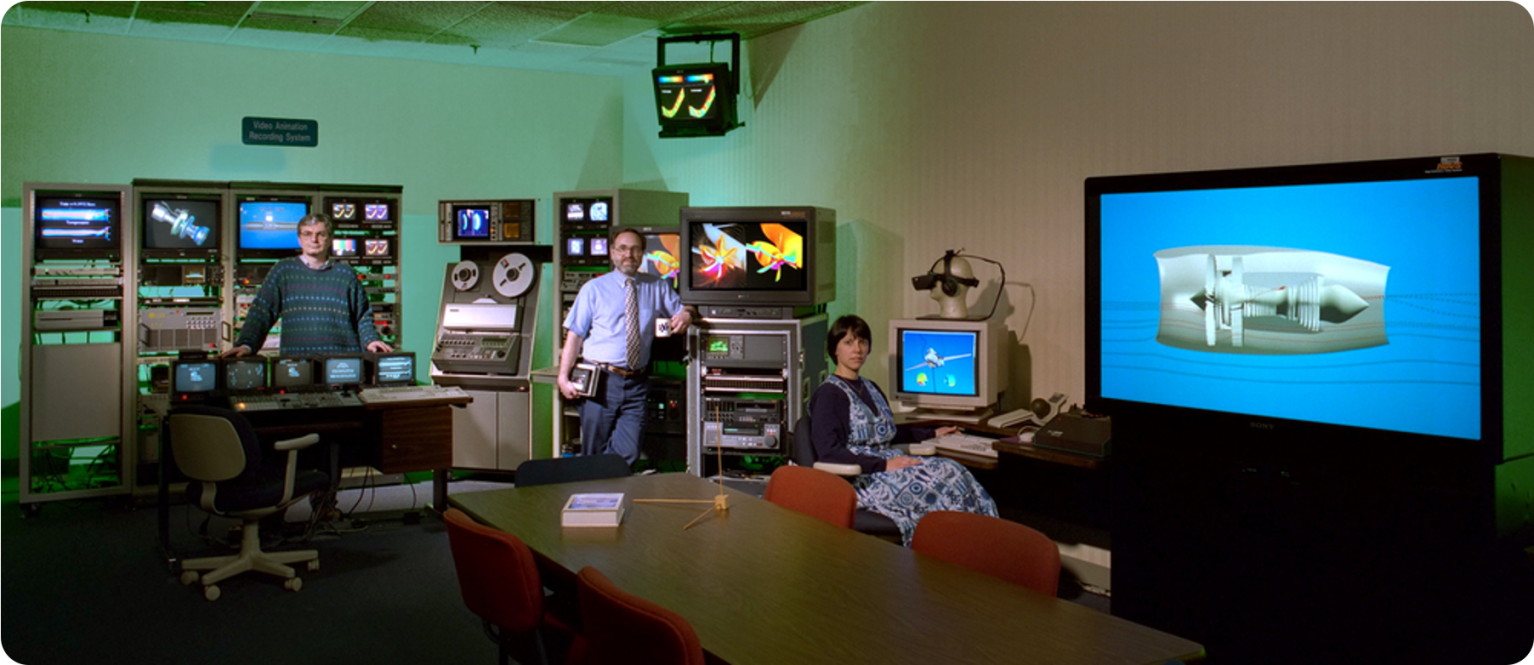 As part of NASA Glenn’s Scientific Computing and Visualization Team, the GVIS Lab has a storied visual and technological history. Credits: NASA GVIS: the ICARE Era In 1982, a $20 million supercomputer was brought to NASA Glenn. Scientists at NASA Glenn were becoming increasingly reliant on computer simulations to test their experiments. Advancements in computer technology allowed a different type of testing environment — one that revolved around virtual models and data over physical observation. The benefits of this method included a decrease in costs, a decrease in associated risk, faster turnaround, and more data.
 High Definition Video System (HDVS)A High Definition Video System (HDVS) in the early Graphics and Visualization Lab (GVIS). NASA
  High Definition Video System (HDVS) in the LabNASA employee in early Graphics and Visualization Lab (GVIS) setup, containing High Definition Video Systems (HDVS). NASA
  Early Graphics and Visualization Lab (GVIS)Early Graphics and Visualization Lab (GVIS) setup, which housed original analog processing hardware. NASA
 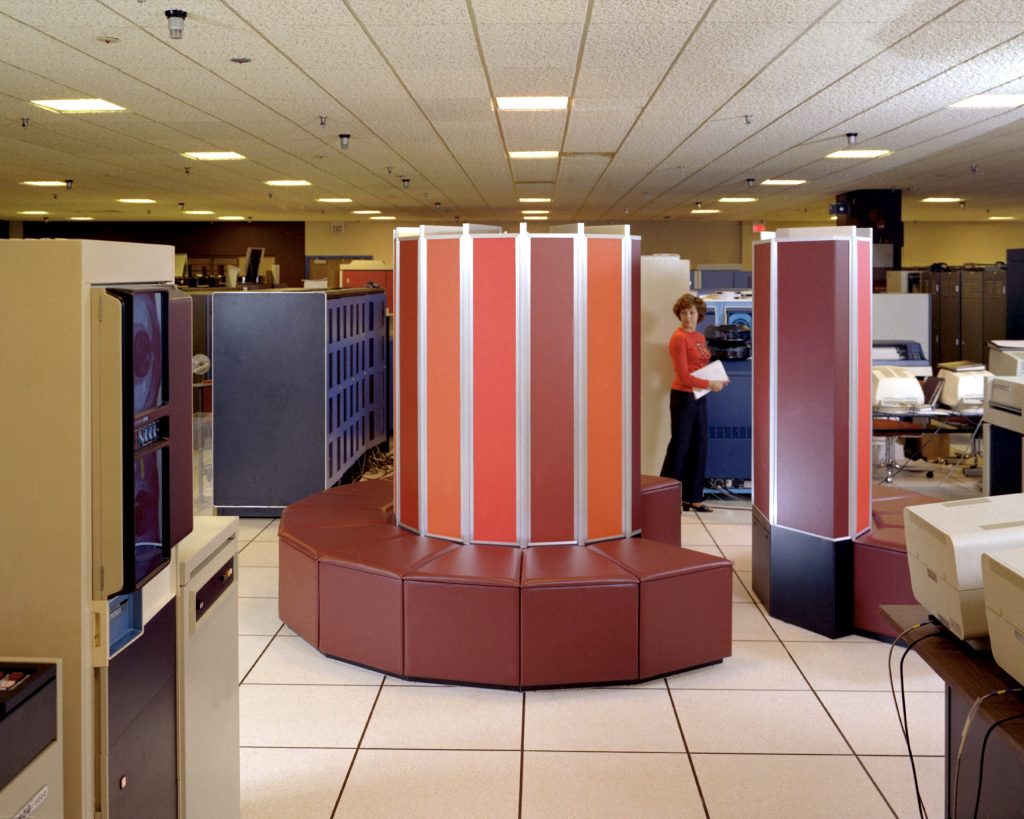 Cray 1-S/2200 SupercomputerThe original Cray 1-S/2200 Supercomputer in the Research and Analysis Center in 1982.NASA But this method of experimentation created a problem: With data-point counts somewhere in the millions, it was a challenge for scientists to even begin to look at their own collected data. In short, there was simply too much data to be analyzed. To solve this problem, NASA Glenn built the Interactive Computer Aided Research Engineering system (ICARE) in the center’s Research Analysis Center.
Taking up several rooms, consisting of 22 total workstations, and costing a grand total of $20 million, the ICARE system was a way for scientists to examine their data through the aid of supercomputer visualizations. Using both graphical and modular methods, ICARE’s visualizations revealed and shared information in ways that traditional methods could not match.
The construction and implementation of the ICARE system was revolutionary to both the center and NASA as a whole. Before 1982, NASA already had an established interest in powerful computers; however, the ICARE system took NASA into the era of supercomputing. ICARE also brought increased attention to the value and power of scientific visualization.
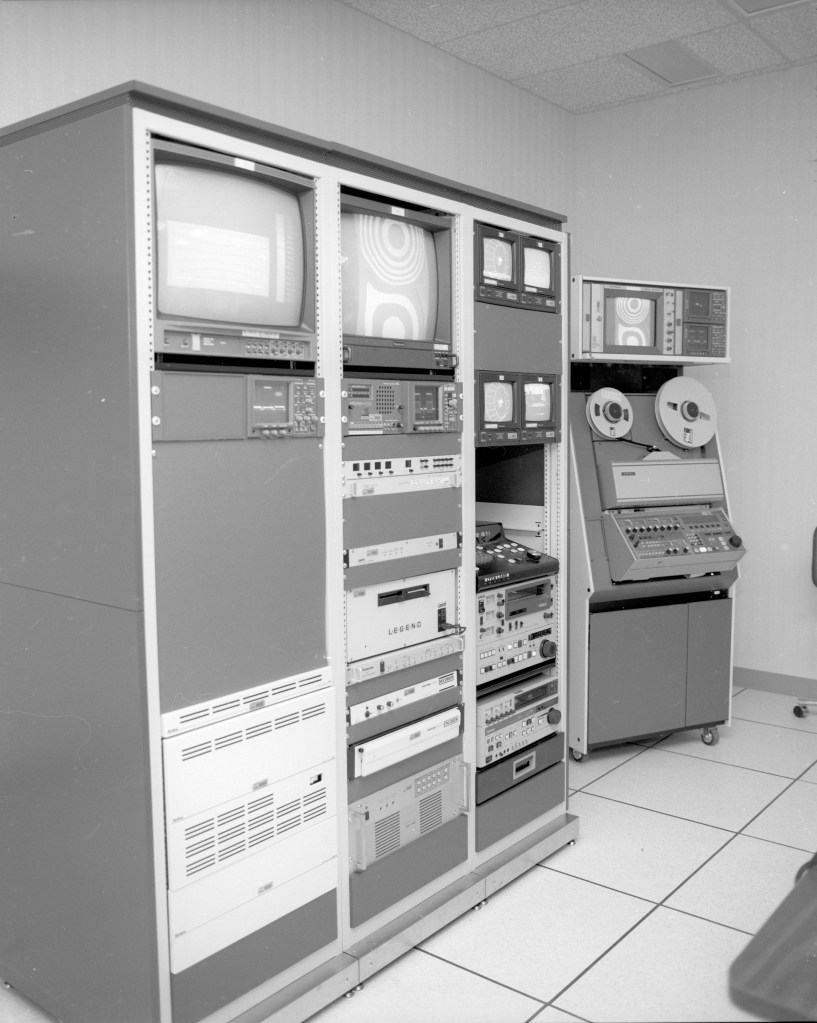 Original Processing HardwareOriginal analog Graphics and Visualization Lab (GVIS) processing hardware.NASA
 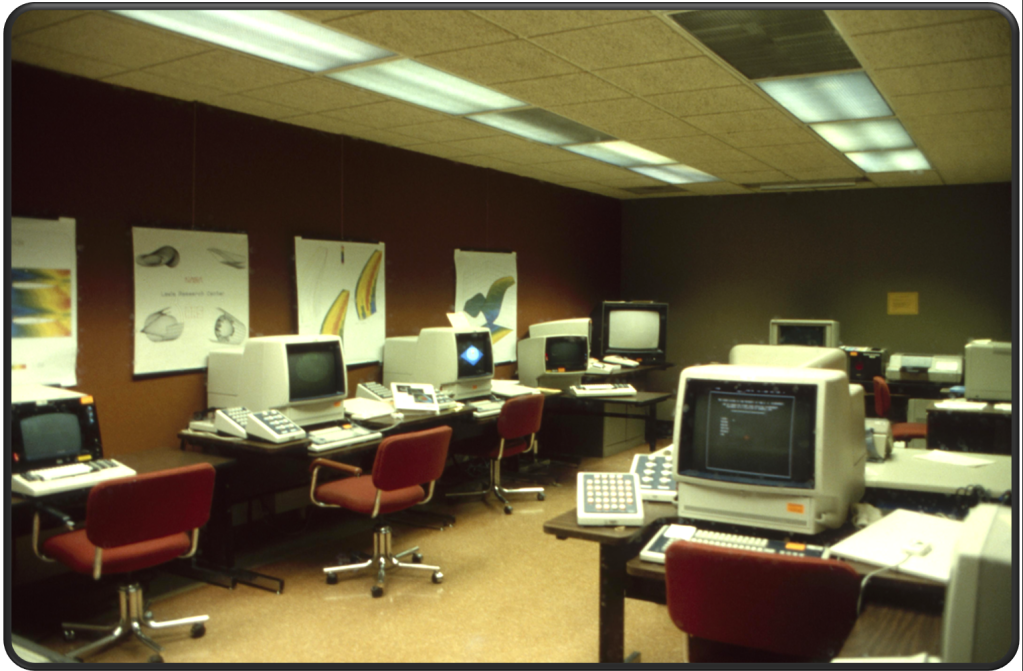 ICARE RoomAn ICARE room in the Research and Analysis Center. NASA
 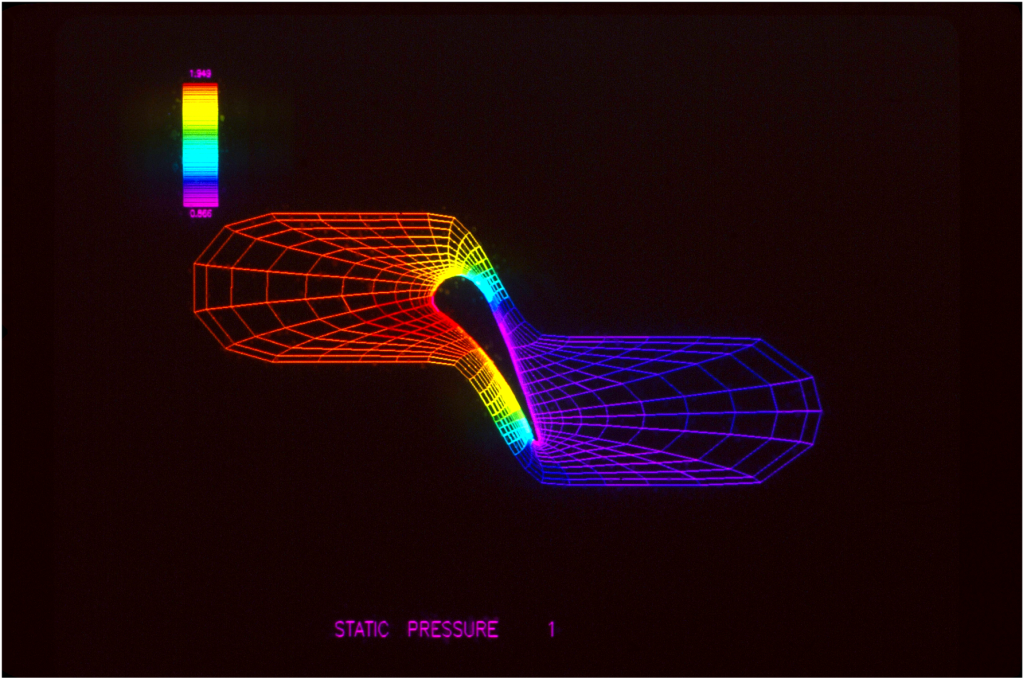 1980s VisualizationA typical 1980s visualization at NASA’s Glenn Research Center in Cleveland.NASA
  GRAPH3DGRAPH3D was an innovative technology in the 1980s that supported shaded surfaces and had a rich set of user-friendly commands.NASA The Creation of GVIS In 1989, it was time for an upgrade. NASA Glenn wanted the latest scientific visualization technology and techniques for its scientists, so the center expanded the Research Analysis Center to make room for the new Graphics and Visualization Lab (GVIS). The GVIS Lab acquired cutting-edge graphics technology, including studio-quality TV animation and recording equipment, stereographic displays, and image processing systems. Later, the High-Performance Computing Act of 1991 provided funding and opportunities to add high-speed computing, virtual reality, and collaborative visualization to its fleet of tools.
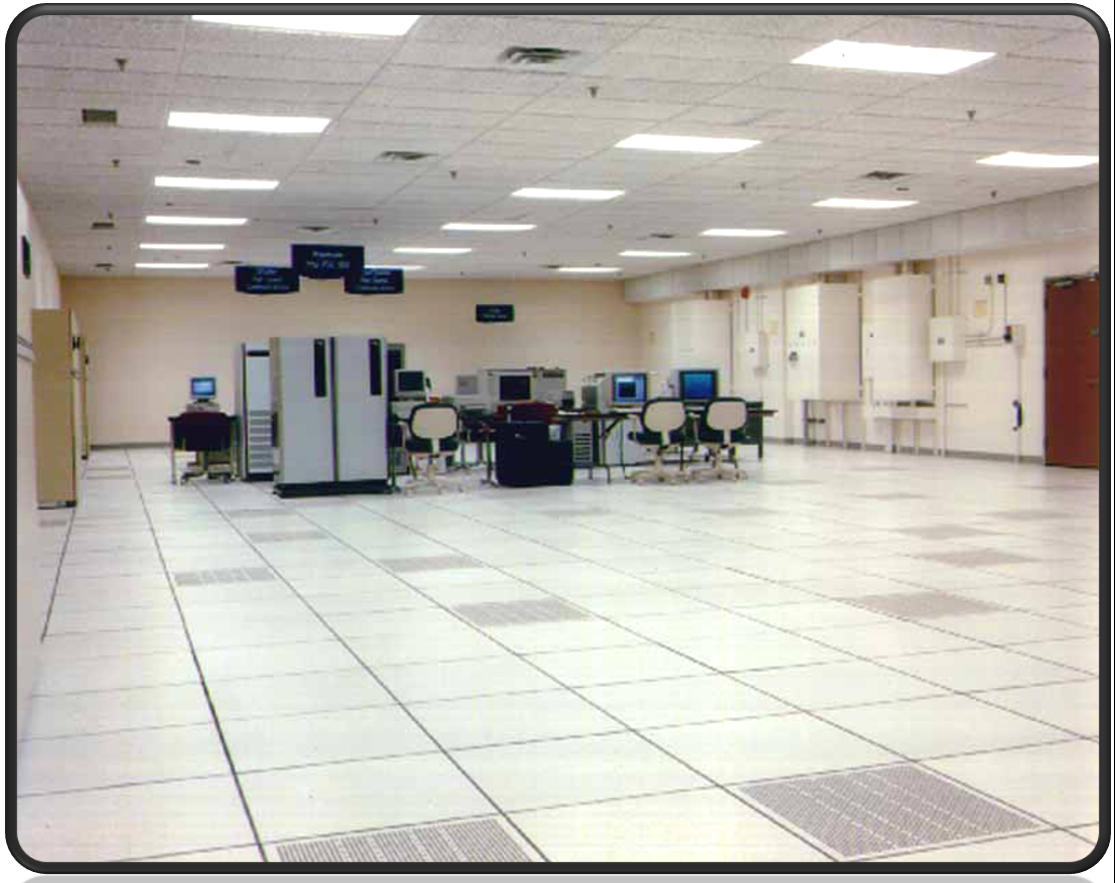 The secure supercomputing space that would eventually become the Graphics and Visualization Lab (GVIS), shown in 1989.NASA During this period, the GVIS Lab was responsible for assisting NASA Glenn scientists who needed help visualizing their data. The lab was also tasked with inventing new visualization techniques and promoting NASA Glenn’s activities though tours, videos, and other outreach programs. Some of the techniques the lab developed included particle tracking, iso-surface contours, and volume visualization. Tour guests included school children, corporate VIPs, local and national politicians, TV news media, and researchers from other national labs. Using state-of-the-art recording and editing hardware, the GVIS Lab regularly shared work both inside and outside of NASA.
As other labs and researchers began to gain access to their own scientific visualization tools, the GVIS Lab shifted its focus to experimenting with virtual reality- and augmented reality-based visualizations.
 Jay HorowitzJay Horowitz saw the Graphics and Visualization Lab (GVIS) through its creation and early years at NASA’s Glenn Research Center in Cleveland. NASA
 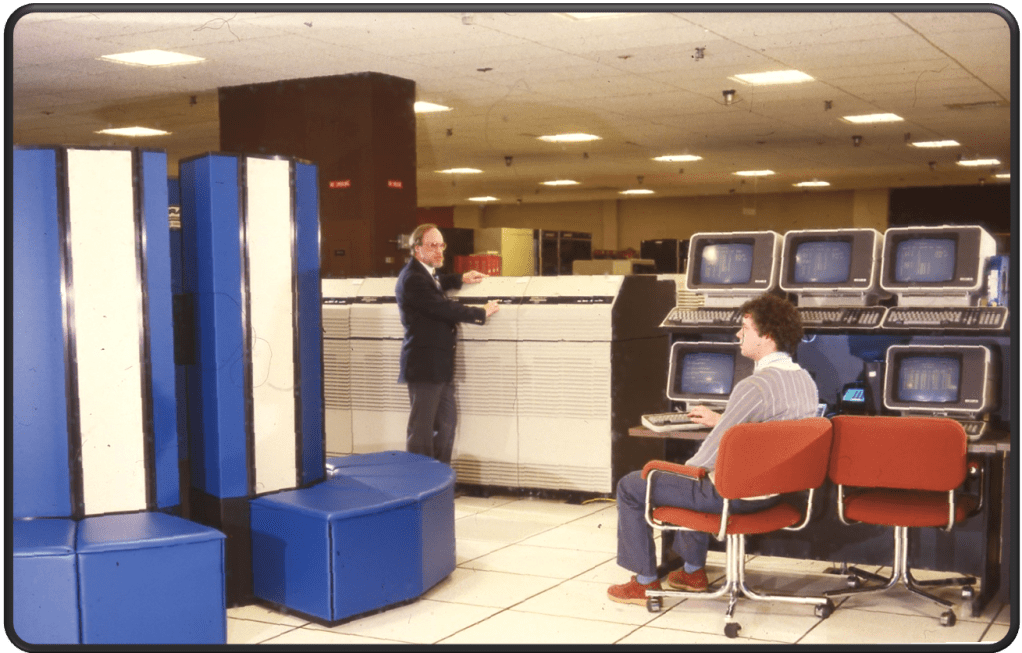 Cray X-MP-2 SupercomputerThe Cray X-MP-2 Supercomputer that replaced the 1-S. NASA
  Early Research and Analysis CenterThe Research and Analysis Center pre-expansion. NASA
  Research and Analysis CenterThe Research and Analysis Center after the expansion. The Graphics and Visualization Lab (GVIS) is in the upper left corner. NASA
  Lewis Advanced Cluster Environment (LACE)The Advanced Computational Concepts Lab’s (ACCL) Lewis Advanced Cluster Environment (LACE) in 1993. NASA
  Mobile Aeronautics Education Laboratory (MAEL) VR Flight SimulatorSetup showing location of the various equipment used in the Mobile Aeronautics Education Laboratory (MAEL) VR Flight Simulator.NASA
  Mobile Aeronautics Education Laboratory (MAEL) VR Flight SimulatorMAEL (Mobile Aeronautics Education Laboratory) trailer’s flight simulator supported multi-screen panoramic views or head-tracked Head Mounted Displays (HMDs). NASA
  WrightSimApollo 13 flight director Gene Kranz watches Jim Lovell pilot WrightSim. NASA
  100 Years of Flight Gala CelebrationJohn Glenn talks to a Graphics and Visualization Lab (GVIS) programmer during the 2003 “100 Years of Flight Gala Celebration” event at NASA’s Glenn Research Center in Cleveland. NASA
  VR TreadmillThe concept of the VR treadmill was used to test if duplicating a visual-motor linkage was feasible for long-duration spaceflight. NASA
 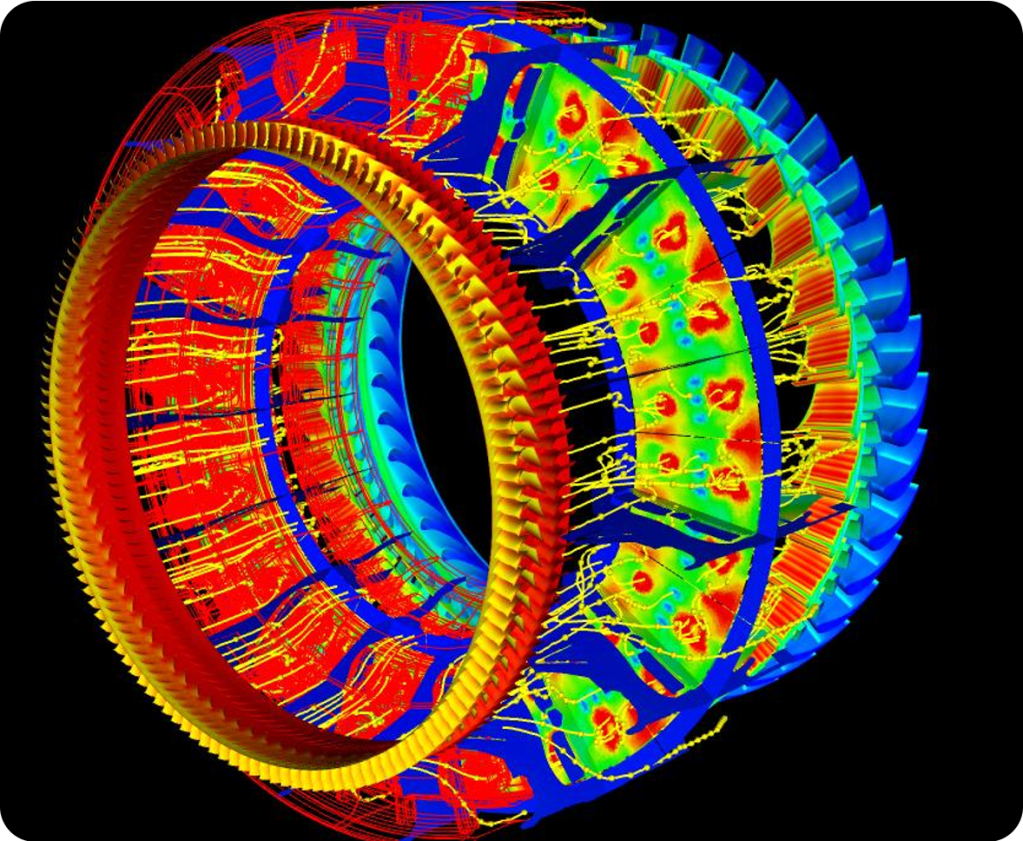 2000s VisualizationTurn-of-the-century Graphics and Visualization Lab (GVIS) model. NASA
  2000s VisualizationTurn-of-the-century Graphics and Visualization Lab (GVIS) model. NASA
  2000s Visualization Turn-of-the-century Graphics and Visualization Lab (GVIS) model. NASA
 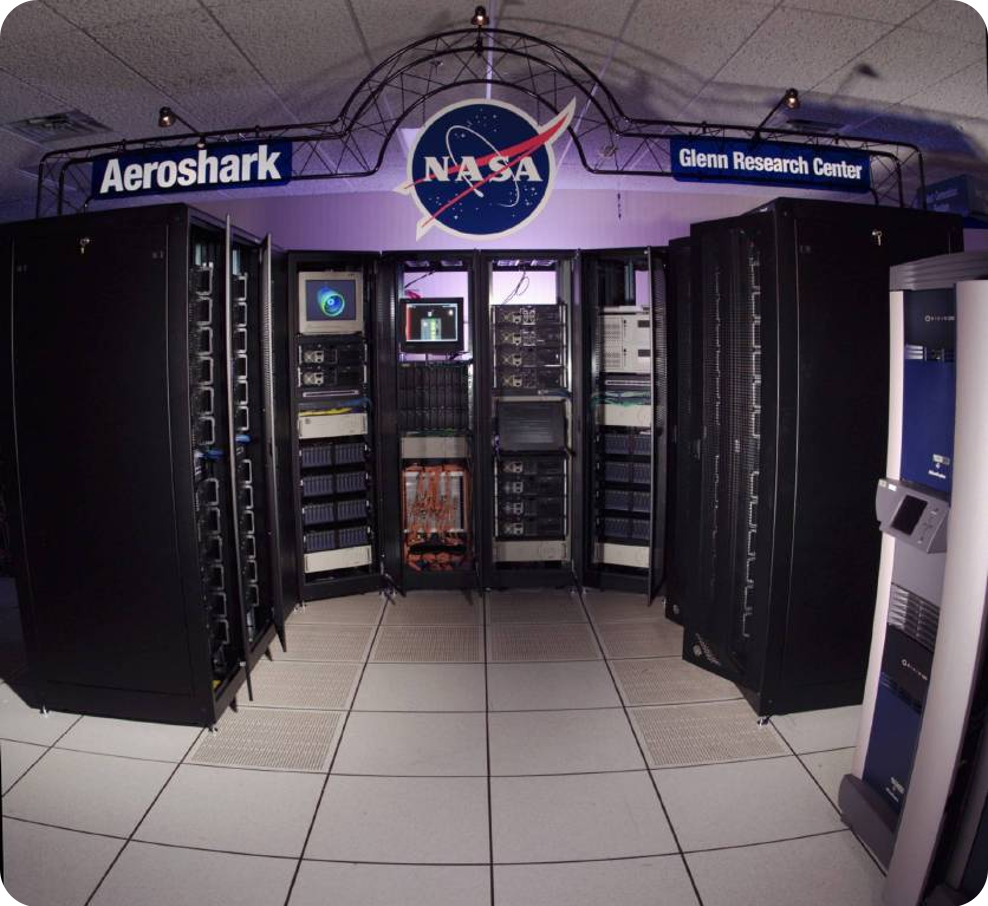 Aeroshark ClusterThe Advanced Computational Concepts Lab’s (ACCL) Aeroshark Cluster in 2001. NASA
 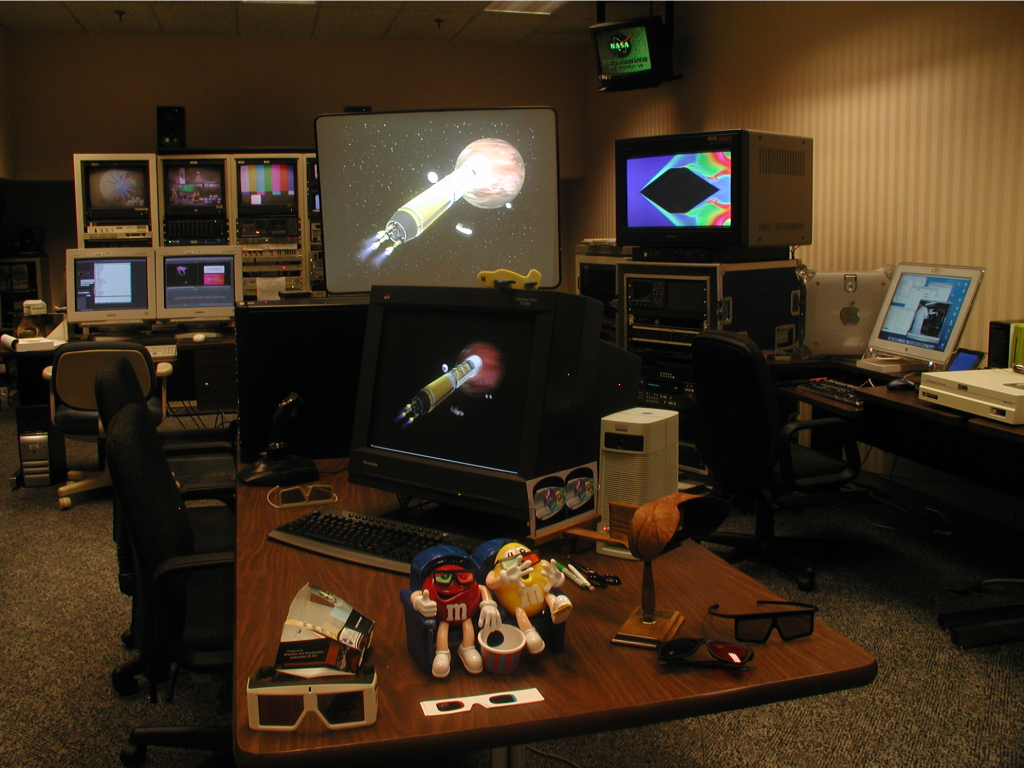 Early 2000s Graphics and Visualization Lab (GVIS)The turn-of-the-century Graphics and Visualization Lab (GVIS), shown in 2004. NASA
 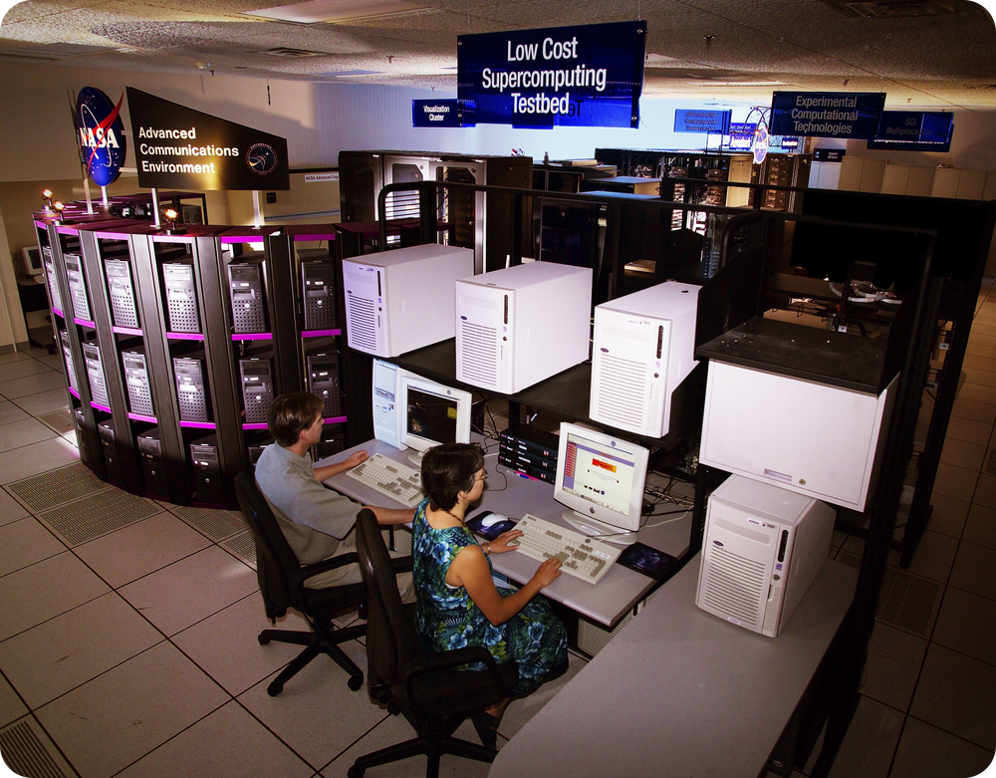 Advanced Communications Environment (ACE) ClusterThe Advanced Computational Concepts Lab’s (ACCL) Advanced Communications Environment (ACE) Cluster in 2005. NASA
  Early Computer Automatic Virtual Environment (CAVE)A Graphics and Visualization Lab (GVIS) team member demonstrating the old Computer Automatic Virtual Environment (CAVE). NASA
 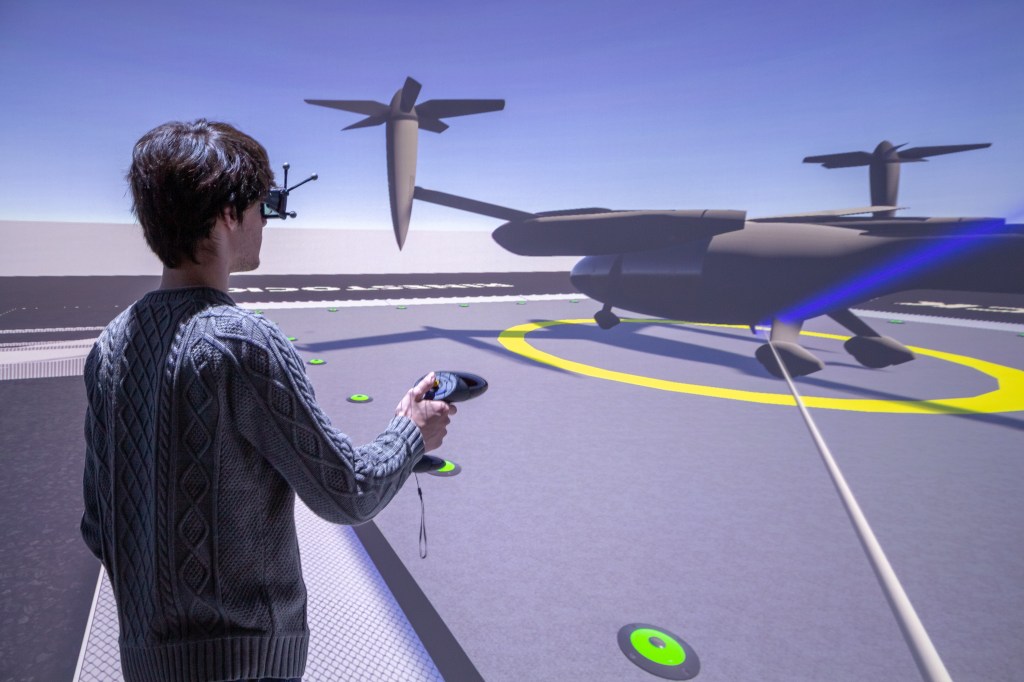 Current Computer Automatic Virtual Environment (CAVE)A Graphics and Visualization Lab (GVIS) intern in the Computer Automatic Virtual Environment (CAVE). NASA GVIS Now Today, the GVIS Lab has the same mission that it had in 1989: to apply the latest visualization and human interaction technologies to advance NASA’s missions. The team takes pride in pushing the limits of scientific visualization and computer science, helping fellow researchers make sense of their data, and inspiring the next generation through demonstrations and presentations. Computational technology has come a long way since the days of ICARE, but GVIS has continued to explore current and cutting-edge technologies.
In addition to scientific visualization and experimental computational technologies, the GVIS Lab now also specializes in virtual design, interactive 3D simulations, natural user interface development, applications of computer science, and mission scenario visualizations. The team uses the latest edition of 3D programs and VR devices to experiment with how these systems can be used to visualize data, pushing their input and output capabilities.
With all this technology, GVIS also supports the visualization of a wide variety of 3D data and models such as CAD, point clouds, and volume data. Additionally, the lab is capable of high-impact data visualization, web-based visualization, time-accurate data representation, and designing and testing CAD models in virtual reality.
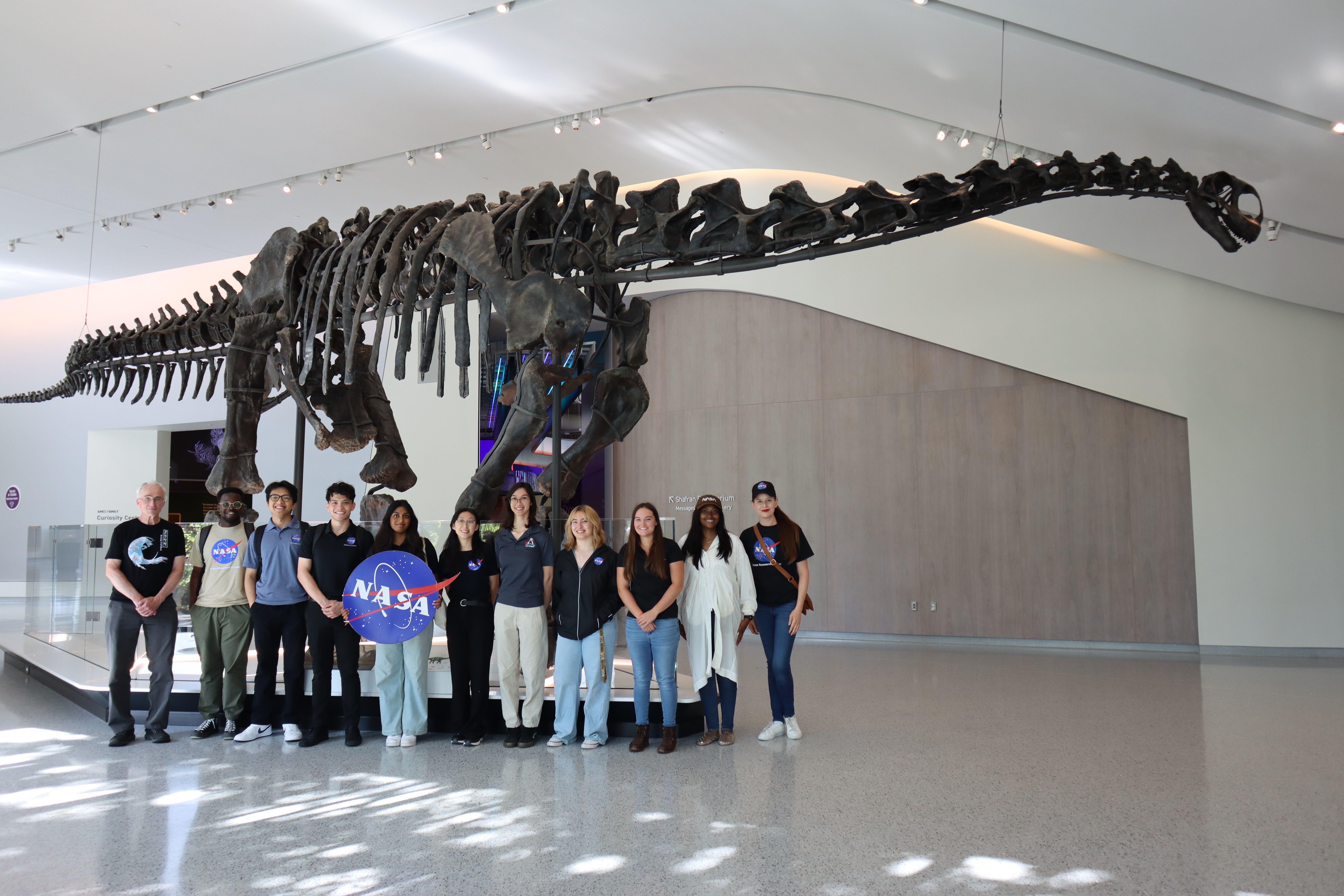 The Graphics and Visualization Lab (GVIS) team attends a STEM outreach event at the Cleveland Museum of Natural History.NASA Public Engagement Outside of the lab, GVIS has a longstanding history of taking its technology demonstrations across the city, throughout the country, and around the world. The team has extensive experience organizing, presenting, and facilitating STEM-based educational outreach for a variety of different events and venues. Inside the lab, GVIS supports the education and career exploration of its high school and college interns through mentorship, community engagement opportunities, and access to cutting-edge technology.
 STEM Engagement EventVisitors interact with the Graphics and Visualization Lab (GVIS) team while attending Score with STEM, an event organized by the Cleveland Cavaliers. NASA/GRC/Jef Janis
  STEM Engagement EventA visitor interacts with a Graphics and Visualization Lab (GVIS) team member while attending Dino Days at the Cleveland Museum of Natural History. NASA
  STEM Engagement EventA Graphics and Visualization Lab (GVIS) Intern interacts with visitors at a STEM outreach event. NASA
 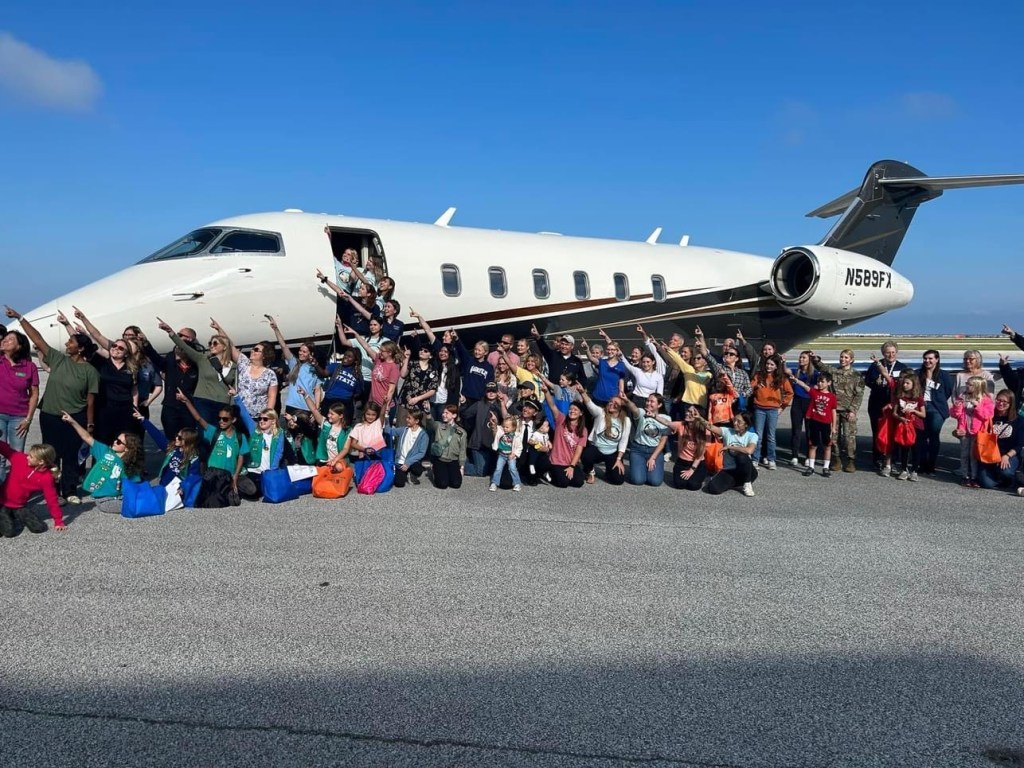 STEM Engagement EventGraphics and Visualization Lab (GVIS) team members attend Women in Aviation Day organized by Women in Aviation International (WAI). NASA
  GRUVE Lab ToursThe Graphics and Visualization Lab (GVIS) team provides tours of NASA labs and facilities. NASA
 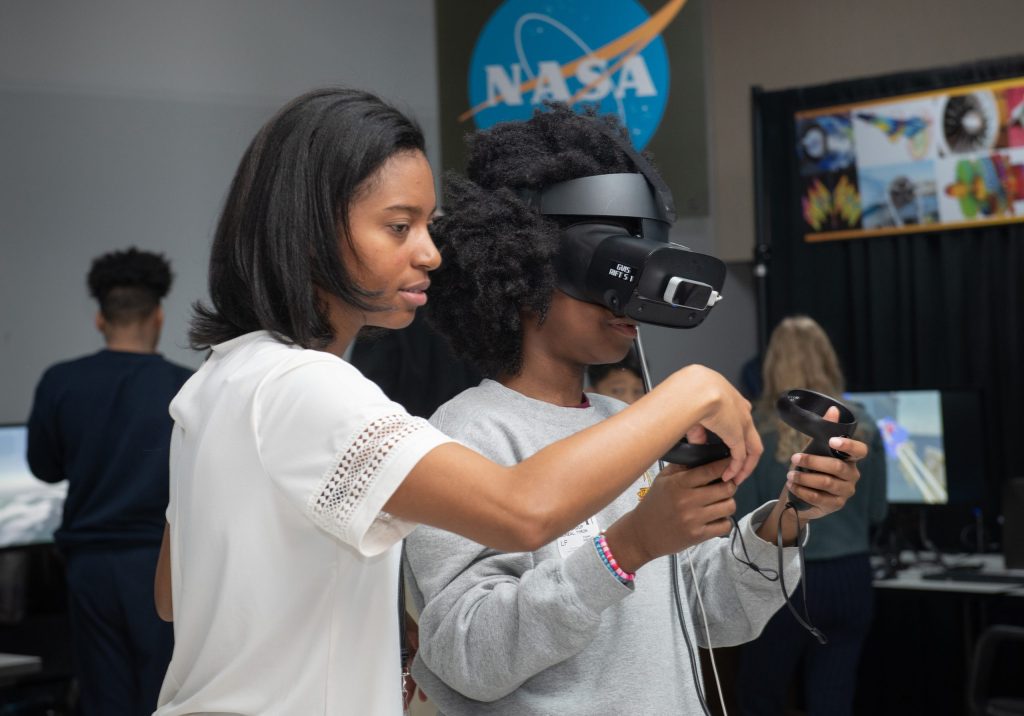 GVIS Lab ToursA Graphics and Visualization Lab (GVIS) team member demonstrates VR visualizations. NASA
  GRUVE Lab ToursVisitors interact with a visualization through the CAVE environment at the Graphics and Visualization Lab (GVIS). NASA Contact Us Need to reach us? You can send an email directly to the GVIS Team (GRC-DL-GVIS@mail.nasa.gov) or to the team leader, Herb Schilling (hschilling@nasa.gov).
 3 min read 1942: Engine Roars to Life in First Test at Future NASA Glenn Article 1 year ago
  2 min read NASA Glenn History Includes Contributions of Women in Aerospace Research Article 3 years ago
  3 min read NASA Uses Cleveland Landmark for Microgravity Research in the 1960s Article 3 years ago
 Keep Exploring Discover More Topics From NASA Explore NASA’s History