

Explore This Section Perseverance Home Mission Overview Rover Components Mars Rock Samples Where is Perseverance? Ingenuity Mars Helicopter Mission Updates Science Overview Objectives Instruments Highlights Exploration Goals News and Features Multimedia Perseverance Raw Images Images Videos Audio More Resources Mars Missions Mars Sample Return Mars Perseverance Rover Mars Curiosity Rover MAVEN Mars Reconnaissance Orbiter Mars Odyssey More Mars Missions Mars Home 2 min read
Feeling the Heat: Perseverance Looks for Evidence of Contact Metamorphism  NASA’s Mars Perseverance rover acquired this image of the boulders along the contact at Westport, using its Mastcam-Z Left Camera, one of a pair of cameras located high on the rover’s mast. The rover acquired the image on July 10, 2025 — Sol 1560, or Martian day 1,560 of the Mars 2020 mission — at the local mean solar time of 11:23:38. NASA/JPL-Caltech/ASU Written by Melissa Rice, Professor of Planetary Science at Western Washington University
Following a short break for the July 4th holiday, Perseverance drove westward to a site called “Westport,” where the clay-bearing “Krokodillen” unit meets an olivine-bearing rock formation. It is possible that the olivine-rich rocks are an intrusive igneous unit, meaning they could have formed when molten magma from deep within Mars got pushed upwards and cooled under the surface. If that’s the case, Westport could preserve a dramatic moment in Mars’ history when hot, molten material intruded into existing rock formations.
Those intrusive processes are common on Earth, and the heat of the intruding magma can fundamentally alter the surrounding geology through a process called “contact metamorphism.” The heat from the intrusion will “bake” nearby rocks, creating new minerals and potentially new environments for microbial life. Conversely, the intrusive rocks get rapidly “chilled” where they meet preexisting solid rock formations.
At Westport, Perseverance is looking for evidence that the Krokodillen rocks at the contact were baked, and that the olivine-bearing rocks at the contact were chilled. Images from the Mastcam-Z instrument reveal that the contact is littered with intriguing dark, rubbly rocks alongside lighter-toned, smooth boulders. Both rock types are proving challenging to study.
The dark fragments are too small and rough for Perseverance’s standard abrasion techniques, but the rover cleared off the surface of a rock called “Holyrood Bay” with its gas Dust Removal Tool (gDRT). Perseverance also tried to abrade a nearby boulder named “Drake’s Point,” but the rock shifted to the side, causing the abrasion to stop short. The science questions here are compelling enough, however, that Perseverance will keep trying to look within the rocks at this important boundary.
Details Last Updated Jul 22, 2025 Related Terms Blogs
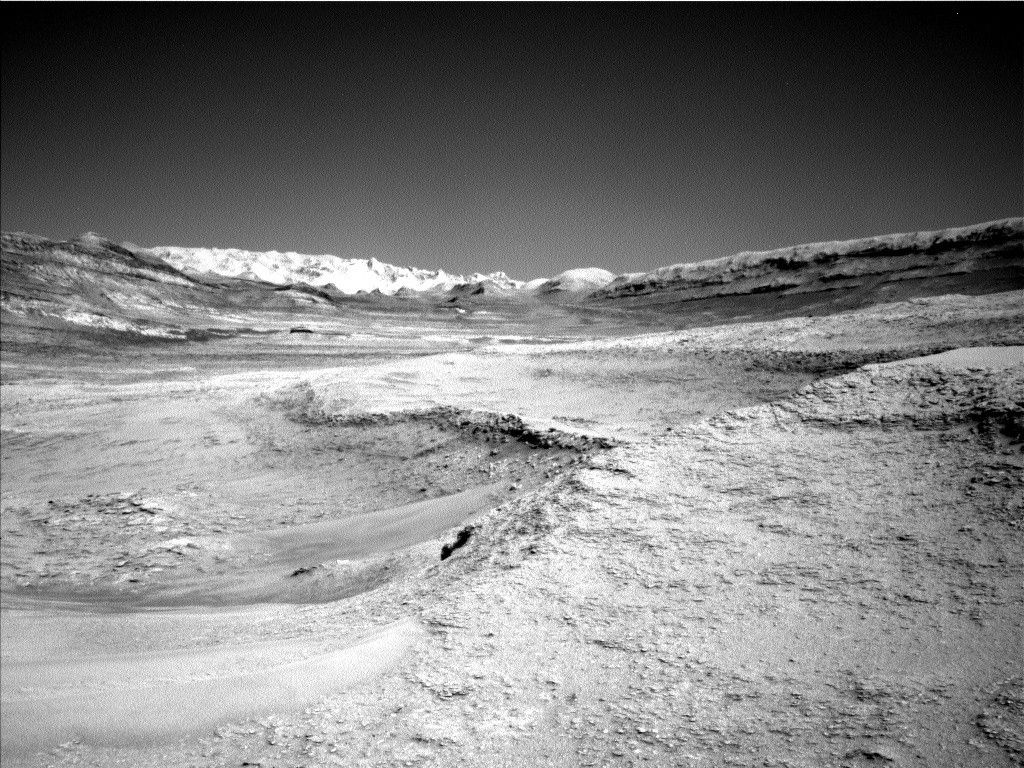 3 min read Curiosity Blog, Sols 4607-4608: Deep Dip
Article
1 hour ago
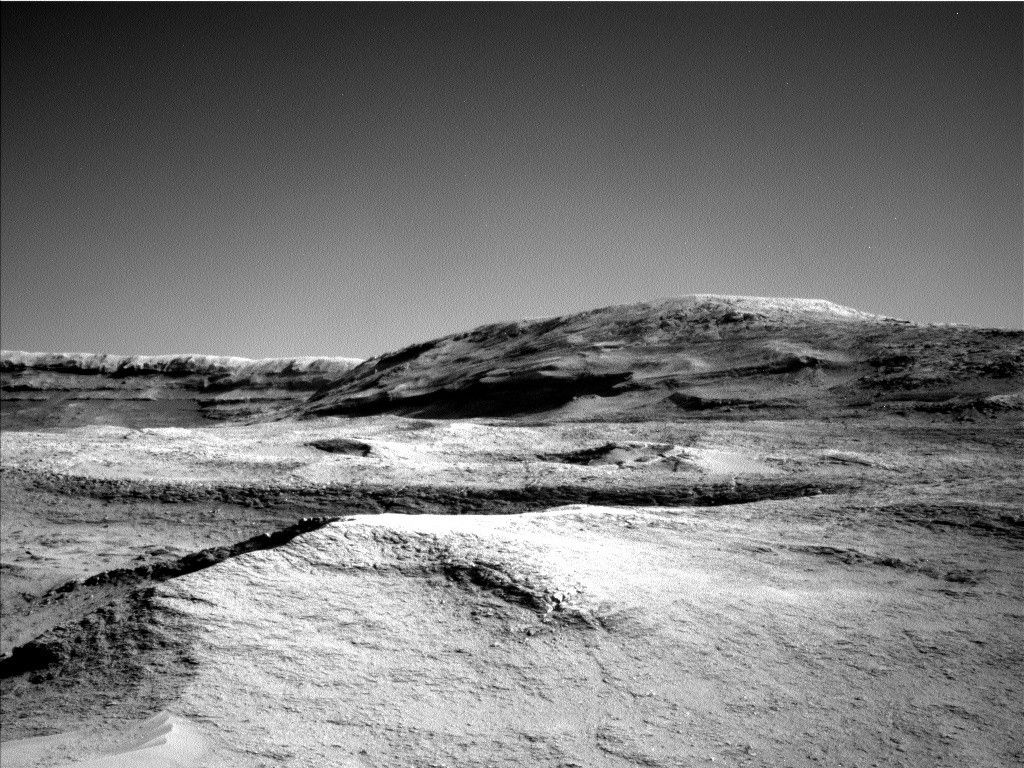 3 min read Curiosity Blog, Sols 4604-4606: Taking a Deep Breath of Martian Air
Article
10 hours ago
 2 min read Curiosity Blog, Sols 4602-4603: On Top of the Ridge
Article
4 days ago
Keep Exploring Discover More Topics From NASA Mars
Mars is the fourth planet from the Sun, and the seventh largest. It’s the only planet we know of inhabited…
Explore this collection of Mars images, videos, resources, PDFs, and toolkits. Discover valuable content designed to inform, educate, and inspire,…
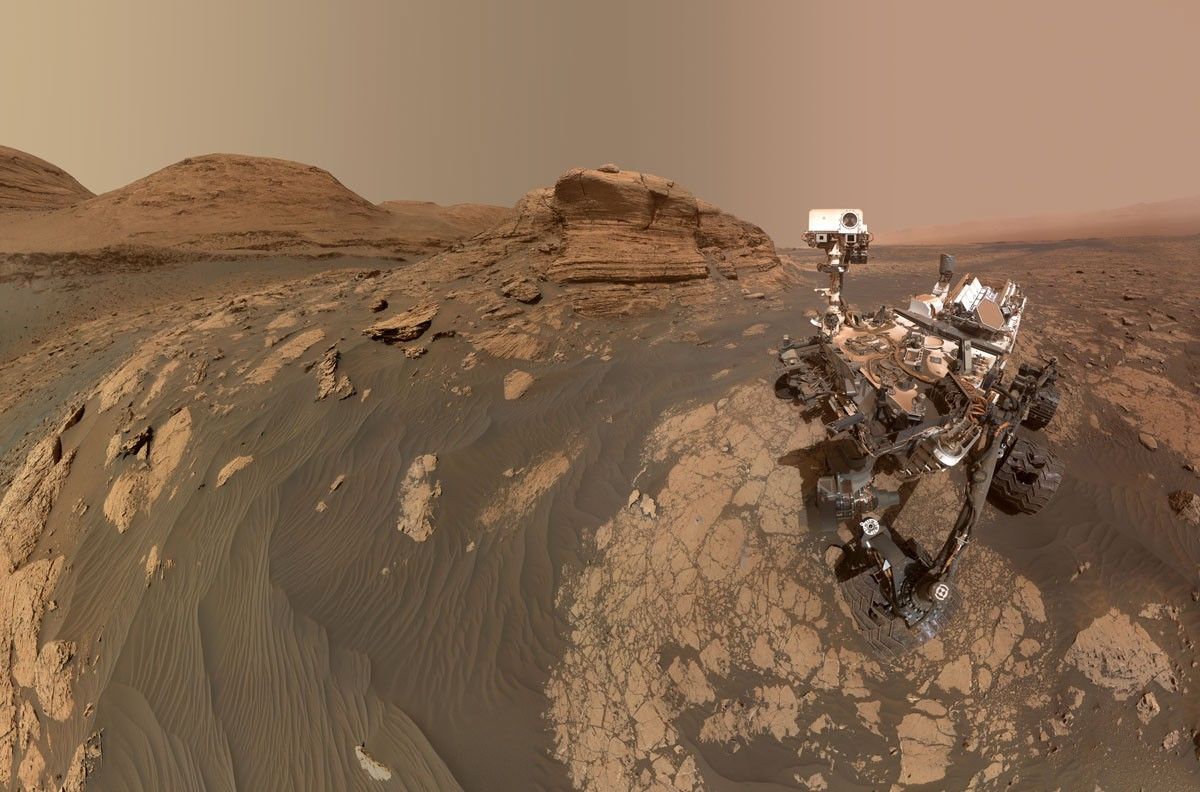
Each robotic explorer sent to the Red Planet has its own unique capabilities driven by science. Many attributes of a…

Mars Exploration: Science Goals
The key to understanding the past, present or future potential for life on Mars can be found in NASA’s four…