Curiosity Navigation Curiosity Home Mission Overview Where is Curiosity? Mission Updates Science Overview Instruments Highlights Exploration Goals News and Features Multimedia Curiosity Raw Images Images Videos Audio Mosaics More Resources Mars Missions Mars Sample Return Mars Perseverance Rover Mars Curiosity Rover MAVEN Mars Reconnaissance Orbiter Mars Odyssey More Mars Missions Mars Home 3 min read
Curiosity Blog, Sols 4859-4866: One Small Crater and Thousands of Polygons 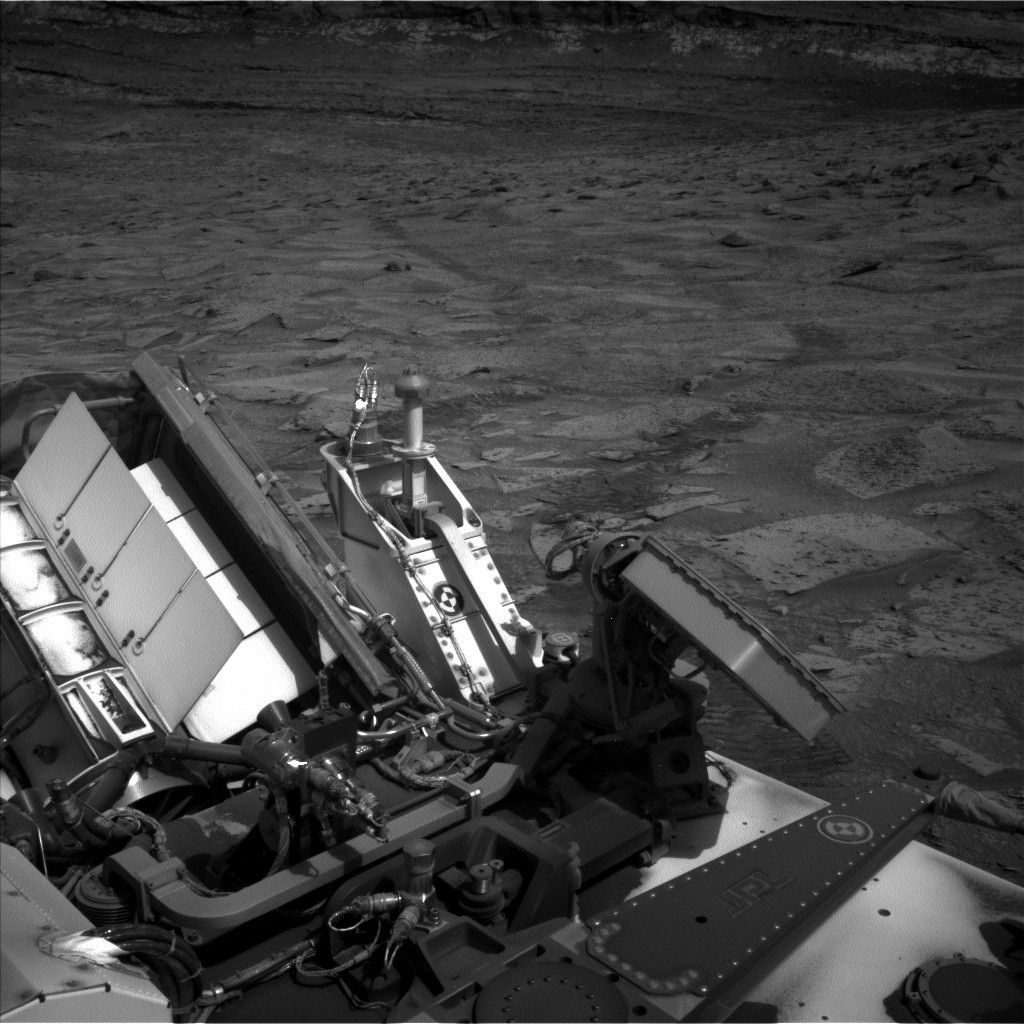 NASA’s Mars rover Curiosity acquired this image showing faint tracks behind the rover on April 9, 2026. The mission team used autonomous navigation during the end of this drive, so Curiosity herself made the decision to take the turns visible in the images. The rover captured this image using its Left Navigation Camera on Sol 4861, or Martian day 4,861 of the Mars Science Laboratory mission, at 19:03:01 UTC. NASA/JPL-Caltech Written by Abigail Fraeman, Deputy Project Scientist at NASA’s Jet Propulsion Laboratory
Earth planning date: Friday, April 10, 2026
Curiosity spent the past week driving towards a small crater, about 10 meters (32 feet) in diameter. Today the team informally named this crater “Antofagasta,” after a region and major city in Chile next to the Atacama. Craters are very cool for many reasons, one of which is that they act as “nature’s drill,” exposing material to the surface through their walls and ejecta that would have otherwise been buried. From orbit, Antofagasta looks like it might be a relatively young crater (less than 50 million years old, which is young on a Martian geologic scale!), so there may be material in and around the crater that was only exposed to the harsh, organic-molecule destroying radiation environment on Mars’ surface in the very recent past. Curiosity has already found many hardy organic molecules that survived billions of years, but could there be an even bigger treasure trove of complex chemistry deep below the surface? Antofagasta could help us answer this question… but only if the crater is big enough to have excavated deep rocks, if it really is relatively young, and if we are able to find a rock we are confident was excavated from depth that also meets the physical requirements for Curiosity’s drill. That’s a lot of “ifs,” but also too exciting of an opportunity to drive by! We’ll be able to answer all these “ifs” and decide what to do once we get a much closer look at the crater from the ground next week.
In the meantime, the journey to Antofagasta has been extremely interesting. Many of the rocks we’ve driven over have these incredible textures — thousands of honeycomb-shaped polygons crisscross their surface. Here’s one example, and here’s another example, both from Sol 4859. We’ve seen polygon-patterned rocks like these before, but they didn’t seem quite this dramatically abundant, stretching across the ground for meters and meters in our Mastcam mosaics. This week we continued to collect lots of images and chemical data that will help us distinguish between different hypotheses for how the honeycomb textures formed. We also continued to monitor Mars’ environment, with lots of dust-devil searches and images toward the horizon to characterize the Martian atmosphere as it grows predictably dustier approaching the warm summer months.
I’m looking forward to seeing the data that should arrive on Earth by Tuesday morning. If all goes well, Curiosity will be perched on the edge of Antofagasta, sending images that will allow us humans to see the crater rim and into the interior for the first time from the ground.
Want to read more posts from the Curiosity team?
Visit Mission Updates
Want to learn more about Curiosity’s science instruments?
Visit the Science Instruments page
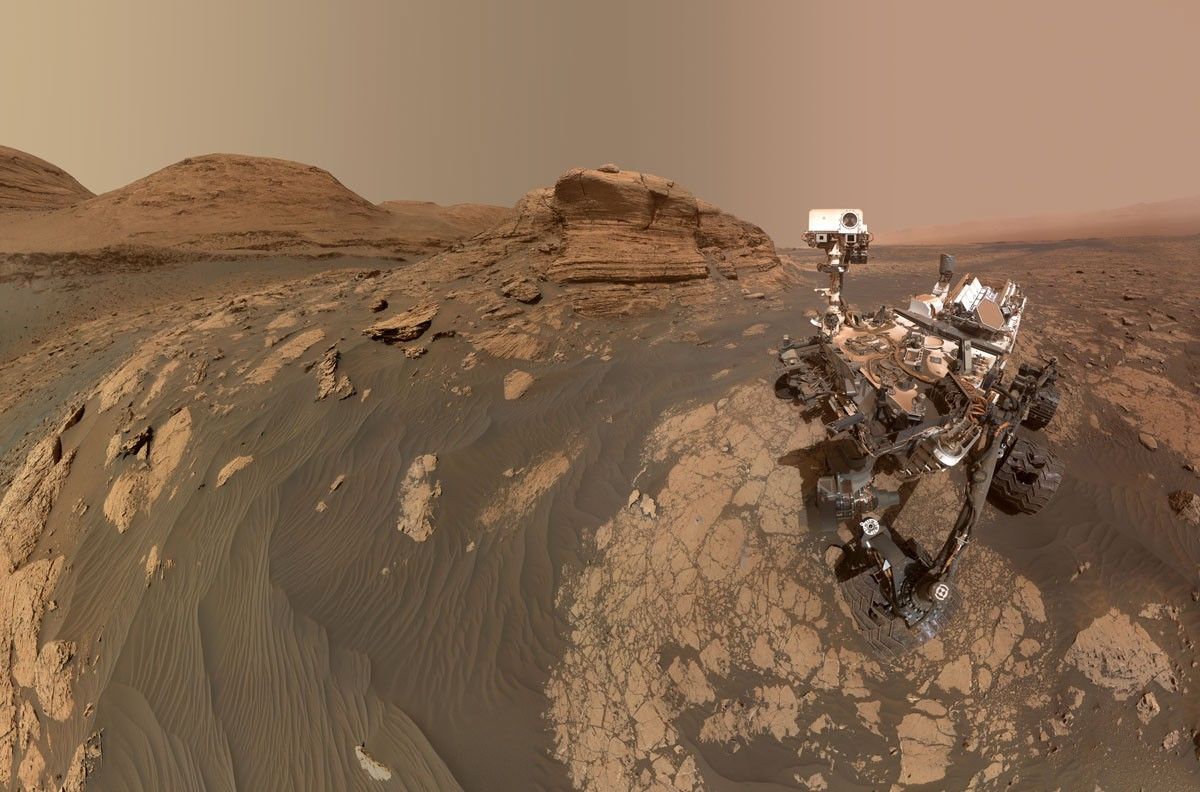
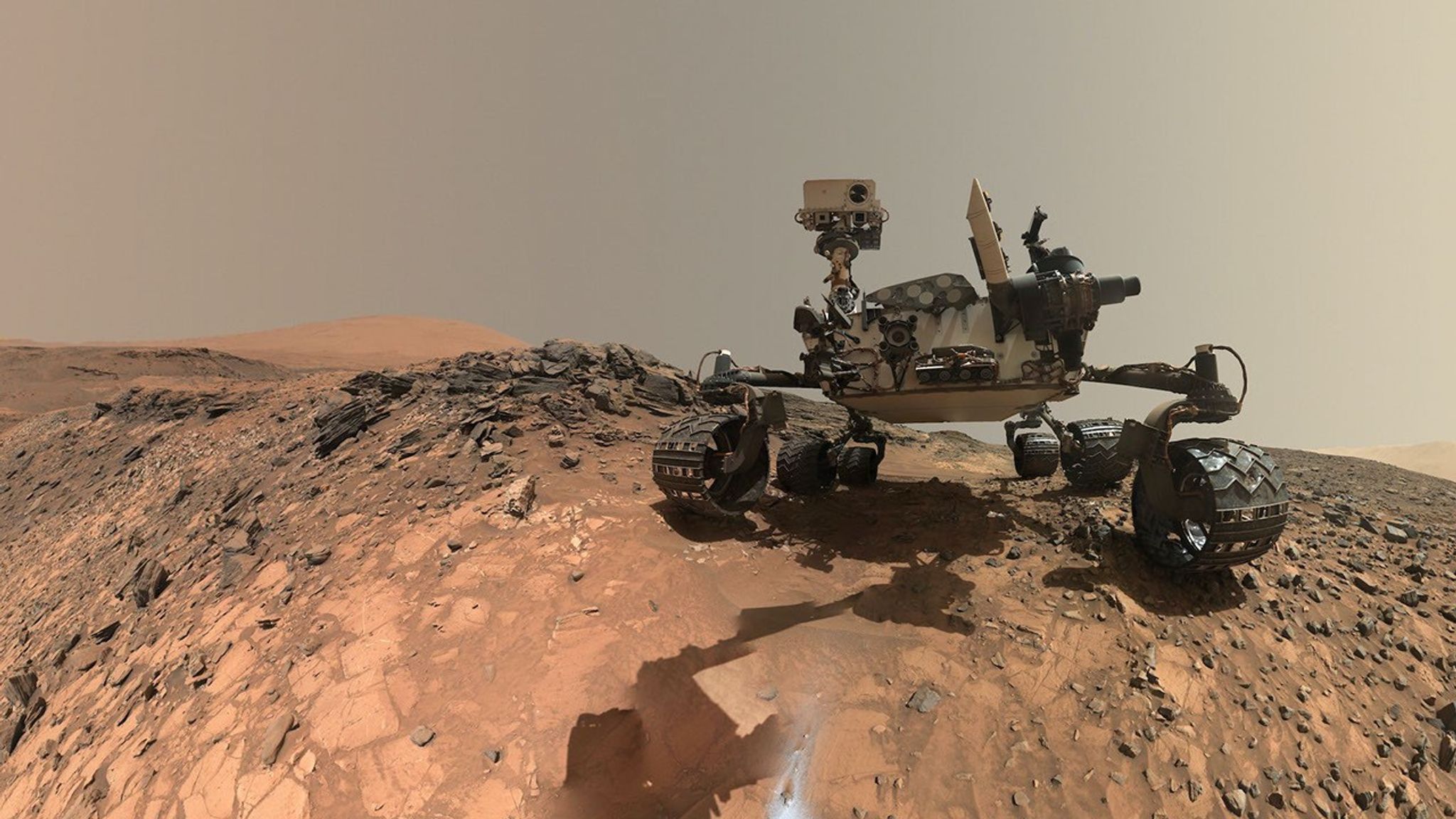 NASA’s Curiosity rover at the base of Mount Sharp NASA/JPL-Caltech/MSSS
Details Last Updated Apr 14, 2026 Related Terms Blogs
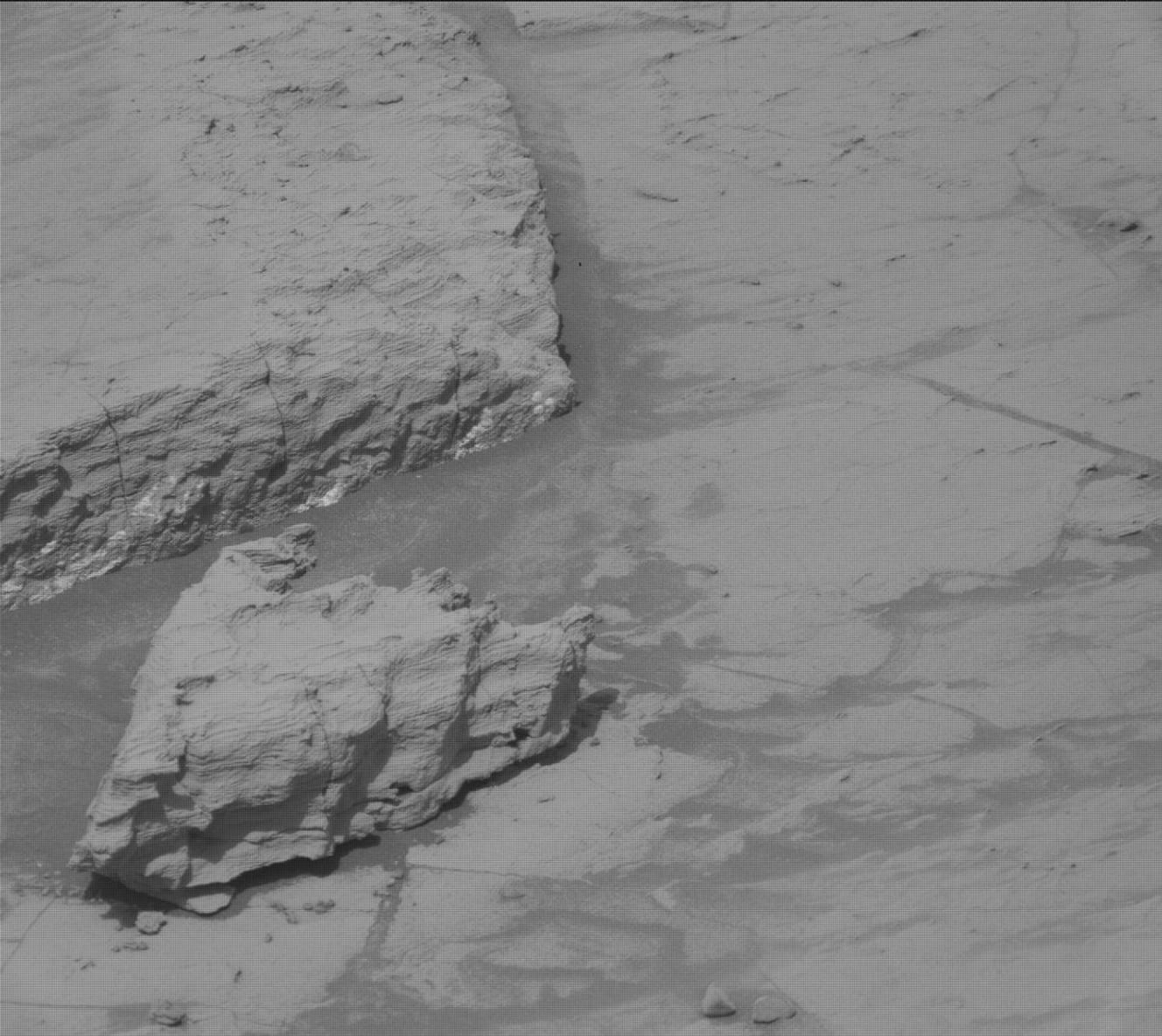 4 min read Curiosity Blog, Sols 4852–4858: When Data Take Their Time…
Article
1 day ago
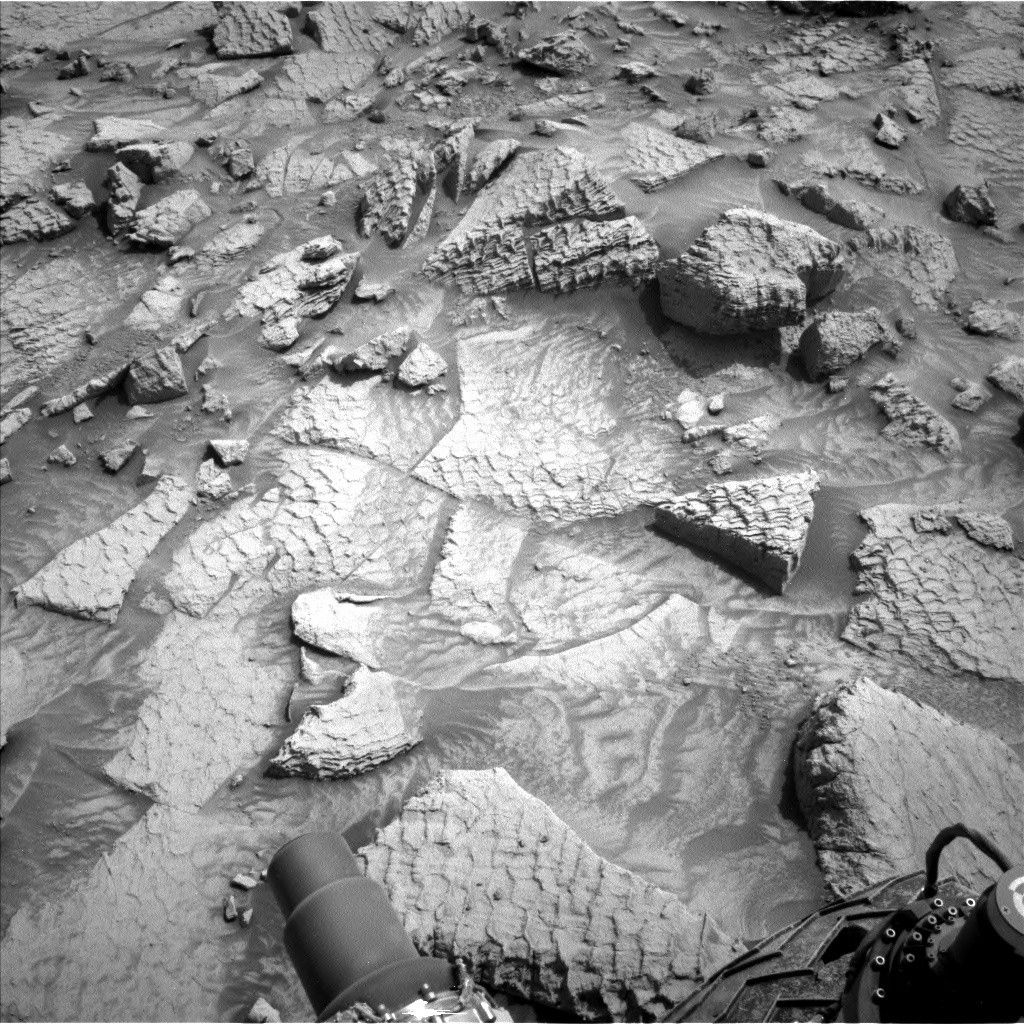 3 min read Curiosity Blog, Sols 4845-4851: Bye-Bye Boxwork, Bye-Bye
Article
1 day ago
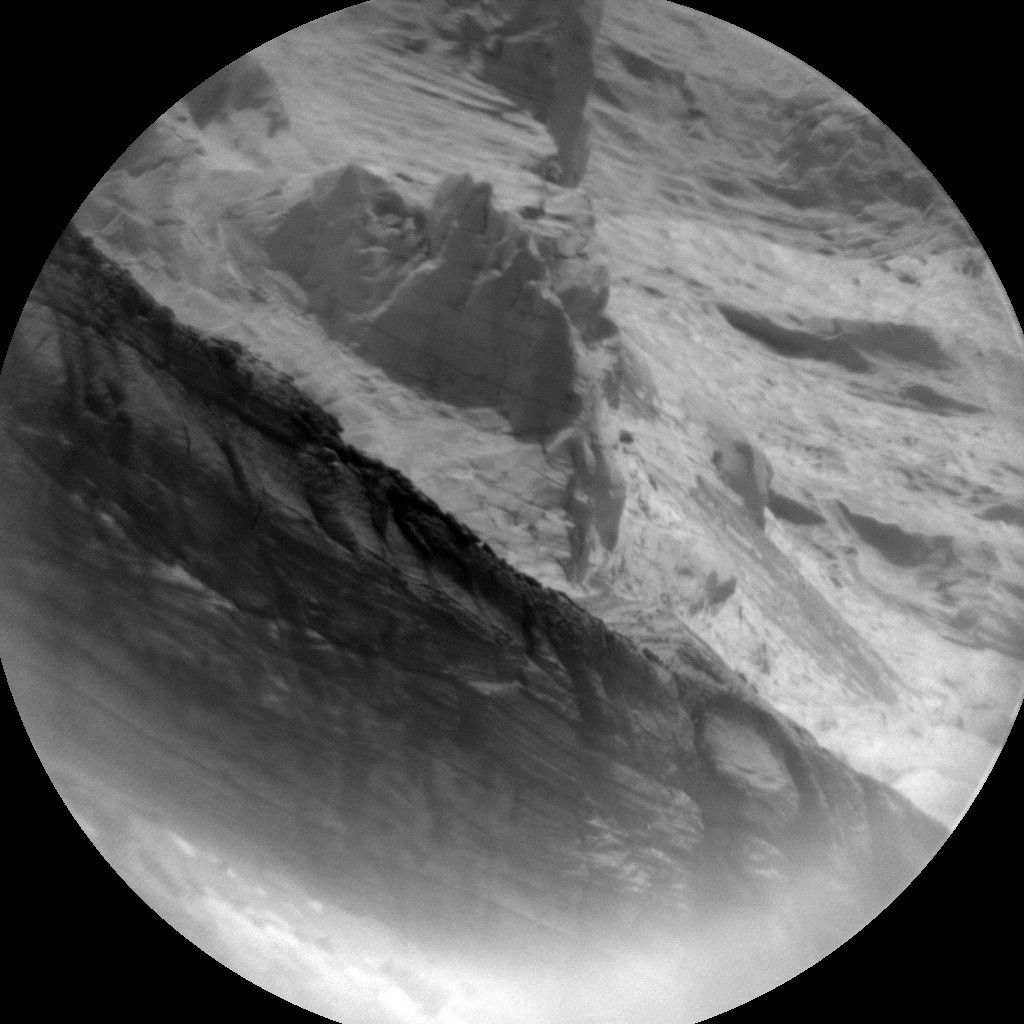 4 min read Curiosity Blog, Sols 4838-4844: Wrapping Up the Boxwork Terrain
Article
3 weeks ago
Keep Exploring Discover More Topics From NASA Mars
Mars is the fourth planet from the Sun, and the seventh largest. It’s the only planet we know of inhabited…
Explore this collection of Mars images, videos, resources, PDFs, and toolkits. Discover valuable content designed to inform, educate, and inspire,…
Each robotic explorer sent to the Red Planet has its own unique capabilities driven by science. Many attributes of a…
Mars Exploration: Science Goals
The key to understanding the past, present or future potential for life on Mars can be found in NASA’s four…