Curiosity Navigation Curiosity Home Mission Overview Where is Curiosity? Mission Updates Science Overview Instruments Highlights Exploration Goals News and Features Multimedia Curiosity Raw Images Images Videos Audio Mosaics More Resources Mars Missions Mars Sample Return Mars Perseverance Rover Mars Curiosity Rover MAVEN Mars Reconnaissance Orbiter Mars Odyssey More Mars Missions Mars Home 3 min read
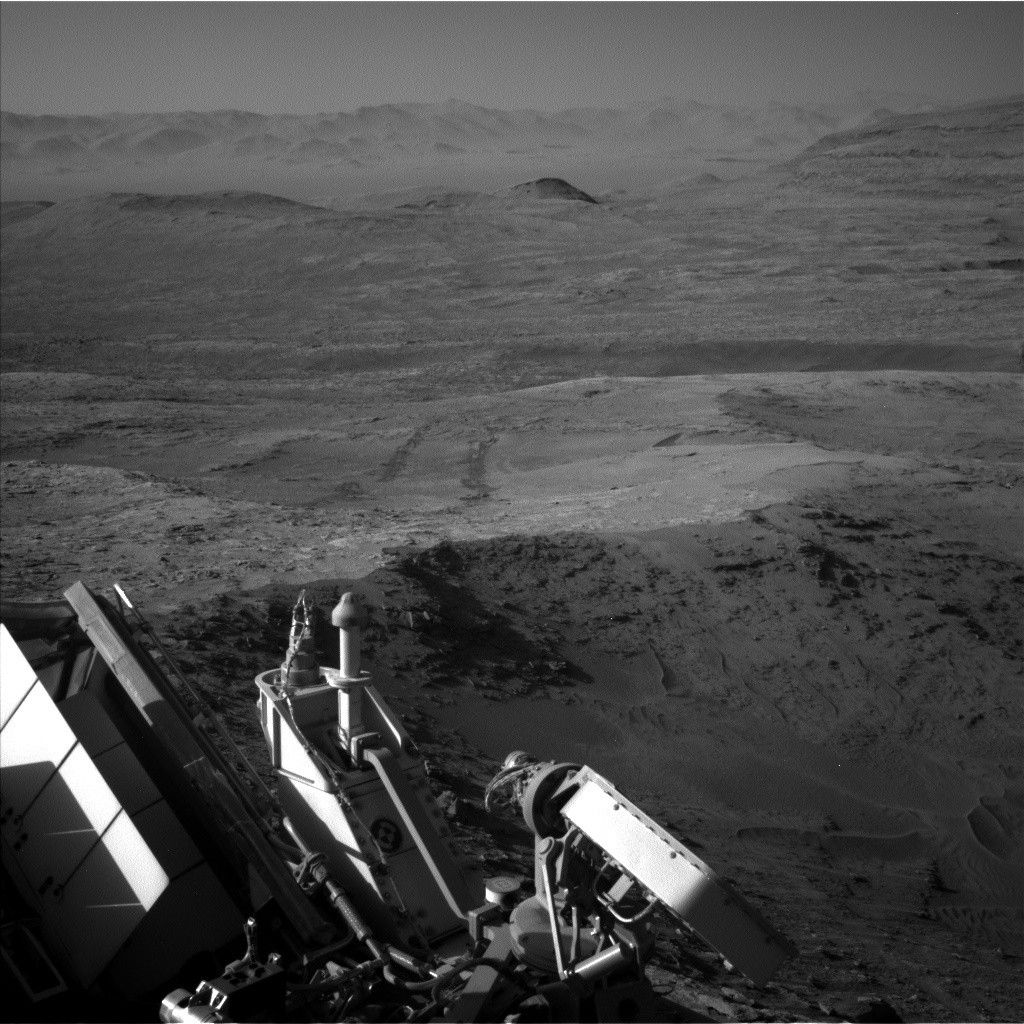
Curiosity Blog, Sols 4618-4619: The Boxwork Structures Continue to Call to Us 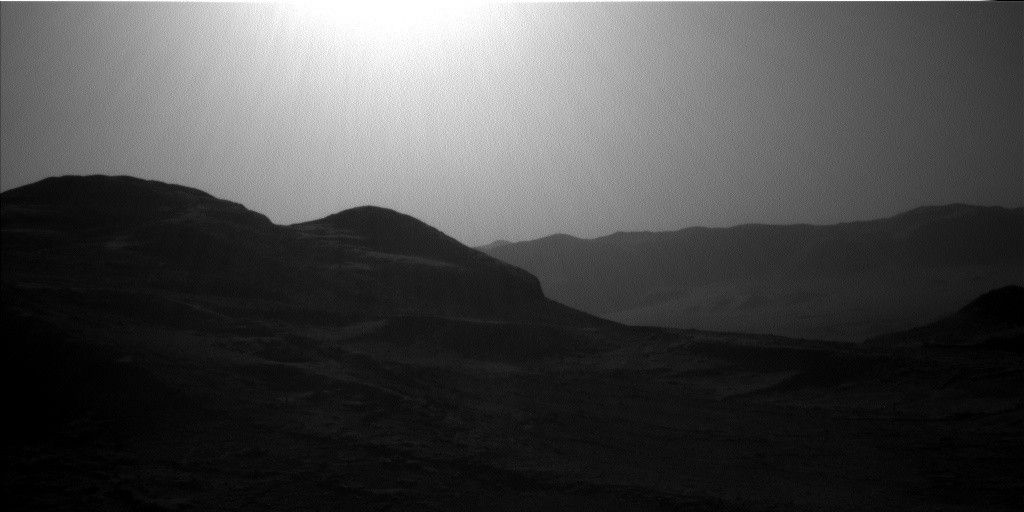 NASA’s Mars rover Curiosity acquired this image using its Left Navigation Camera on Aug. 1, 2025 — Sol 4616, or Martian day 4,616 of the Mars Science Laboratory mission — at 03:36:56 UTC. NASA/JPL-Caltech Written by Ashley Stroupe, Mission Operations Engineer and Rover Planner at NASA’s Jet Propulsion Laboratory
Earth planning date: Friday, Aug. 1, 2025.
Now that we have reached August, our “landiversary” (anniversary of landing — Aug. 5 PDT) is less than a week away! The team is looking forward to being able to celebrate the milestone of our rover becoming a teenager at 13. Today’s image is a beautiful back-lit late afternoon image of the nearby mountains and the distant crater rim. These views make working on Mars never get old!
The first sol of today’s plan is very busy because we will only have data from the first sol down in time for planning on Monday. Today I was working as a Rover Planner, supporting both arm and drive activities. We start first thing with arm activities; we DRT brush and do APXS integration on the target “San Cristóbal,” which is a bedrock target, and the only place in the workspace smooth and flat enough for us to brush.
After a brief nap, we have an extensive imaging campaign. We take Mastcam images of the AEGIS target from the previous plan and two potential vein targets “Rio Satja” and “Río Ichilo.” We then take Mastcam stereo mosaics of boxwork targets “Pontezuelo” and “Catedrales de Tara.” Additionally we have stereo mosaics of “Llanos de Challe,” a transition between the bedrock in the boxwork hollow and the boxwork ridge, a nearby light-toned exposure, and some additional troughs and ridges. ChemCam then takes a LIBS observation of “Airport Domes,” which is another hollow in the boxworks. Finally, we take a ChemCam RMI and a Mastcam of Pontezuelo.
After finishing all the imaging, we continue with the rest of the arm activities. We split the arm activities to accommodate conflicting constraints — both APXS and ChemCam both need to be as early as possible. In this set of arm activities, we begin with MAHLI imaging of the two targets, San Cristóbal and “Salar de Agua Amara,” which consists of delicate branching structures likely made by groundwater.
After another short nap, we do a small adjustment in our position to get another interesting piece of bedrock ridge in our workspace. In order to approach it at a good angle, we first drive parallel to the ridge to be lined up with the target, and then we turn and drive straight to it. Due to constraints on how we like to park at targets, sometimes these shorter drives can be more complicated than longer ones — but today it was simpler. After completing the drive, we unstow the arm to get a clear view of our workspace for Monday’s planning as well as our standard post-drive imaging and then Curiosity goes to sleep for the night.
The second sol of the plan is a bit more leisurely. Around midday, Curiosity will be taking some atmospheric observations, including a Navcam dust-devil survey and a south-facing suprahorizon movie, followed by an AEGIS activity where the rover gets to pick targets and observe them herself. Then, early the next morning, Curiosity will wake up to take some additional atmospheric observations, including Navcam zenith and suprahorizon movies, Navcam line-of-sight toward the crater rim, and a Mastcam solar tau to measure dust in the atmosphere. Finally, she’ll get a short nap before waking up to start the next plan.
Learn more about Curiosity’s science instruments
For more Curiosity blog posts, visit MSL Mission Updates
Details Last Updated Aug 05, 2025 Related Terms Blogs
 4 min read Curiosity Blog, Sols 4616-4617: Standing Tall on the Ridge
Article
1 day ago
 2 min read Curiosity Blog, Sols 4614-4615: Driving Along the Boxwork
Article
7 days ago
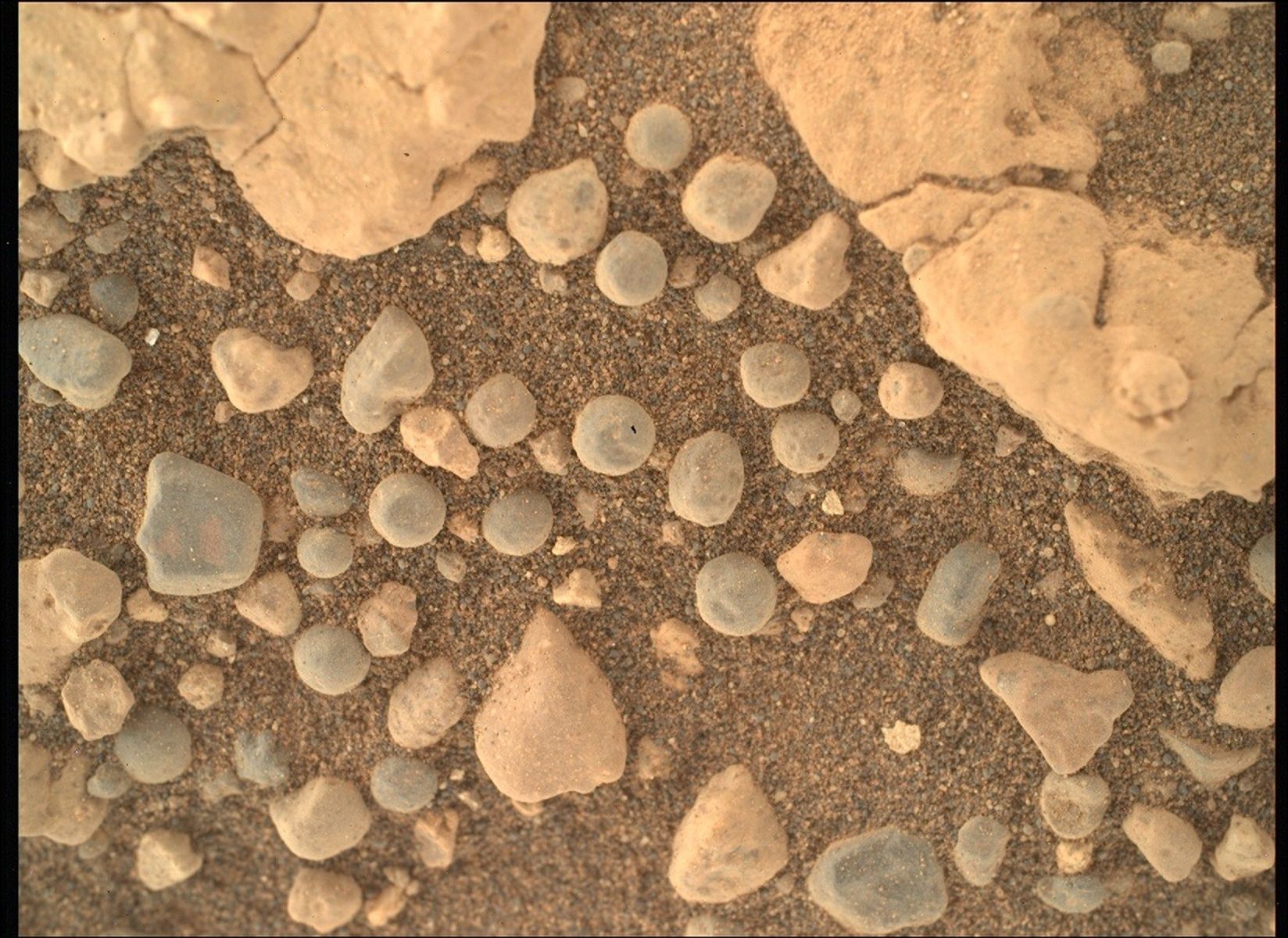 3 min read Spheres in the Sand
Article
7 days ago
Keep Exploring Discover More Topics From NASA Mars
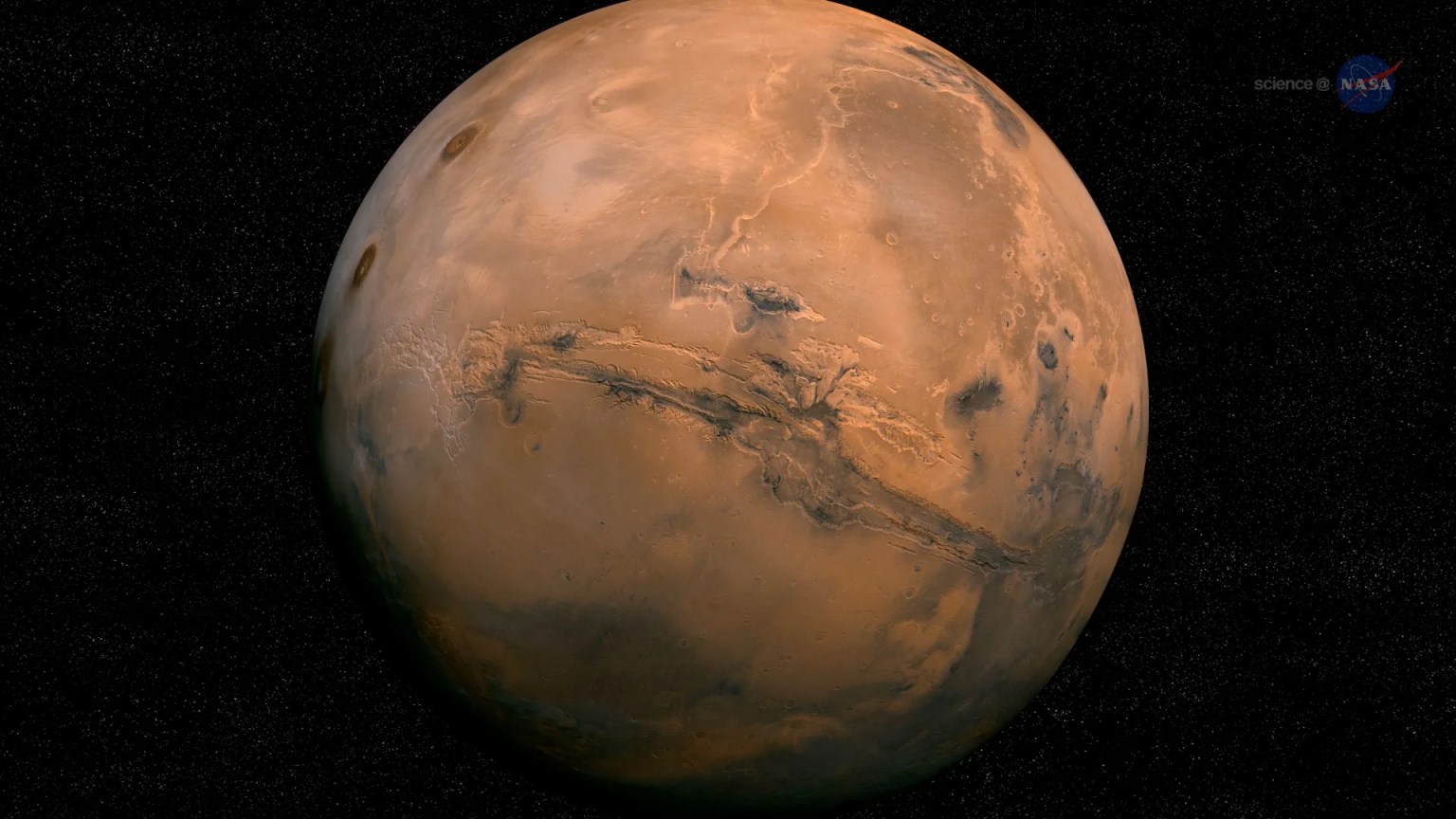
Mars is the fourth planet from the Sun, and the seventh largest. It’s the only planet we know of inhabited…
Explore this collection of Mars images, videos, resources, PDFs, and toolkits. Discover valuable content designed to inform, educate, and inspire,…
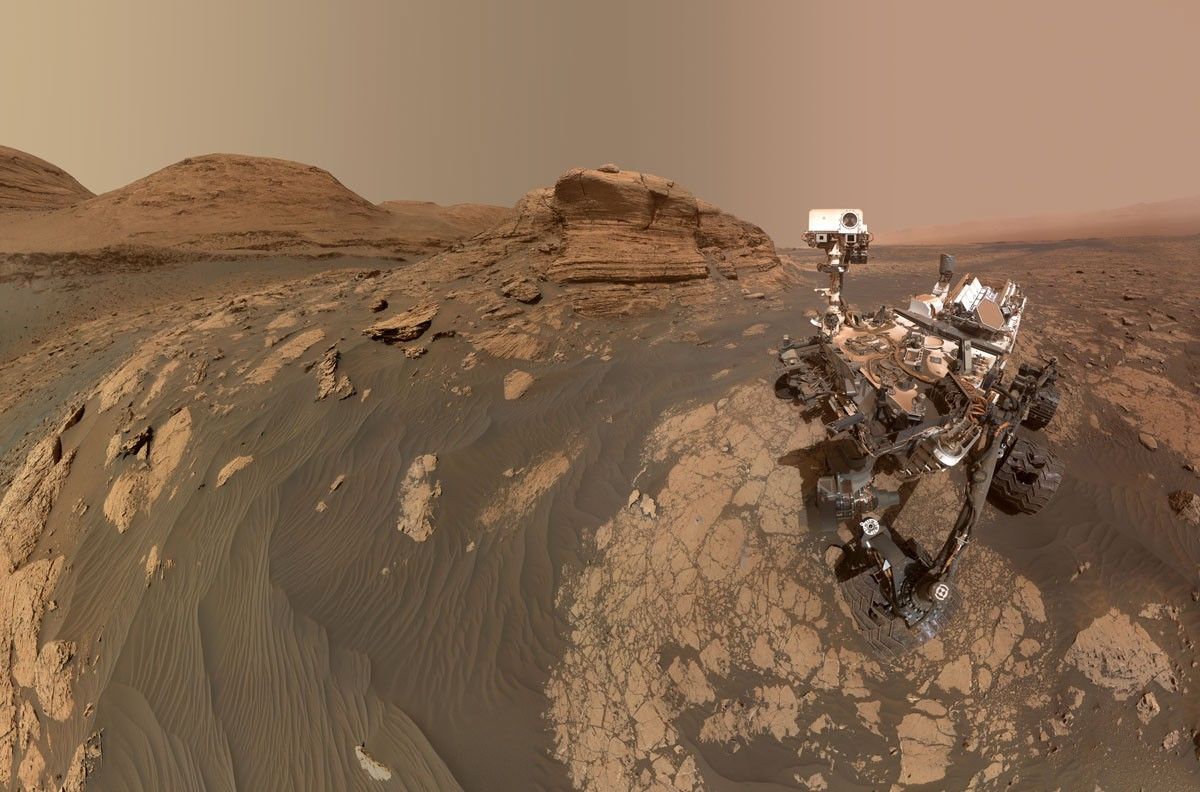
Each robotic explorer sent to the Red Planet has its own unique capabilities driven by science. Many attributes of a…
Mars Exploration: Science Goals
The key to understanding the past, present or future potential for life on Mars can be found in NASA’s four…