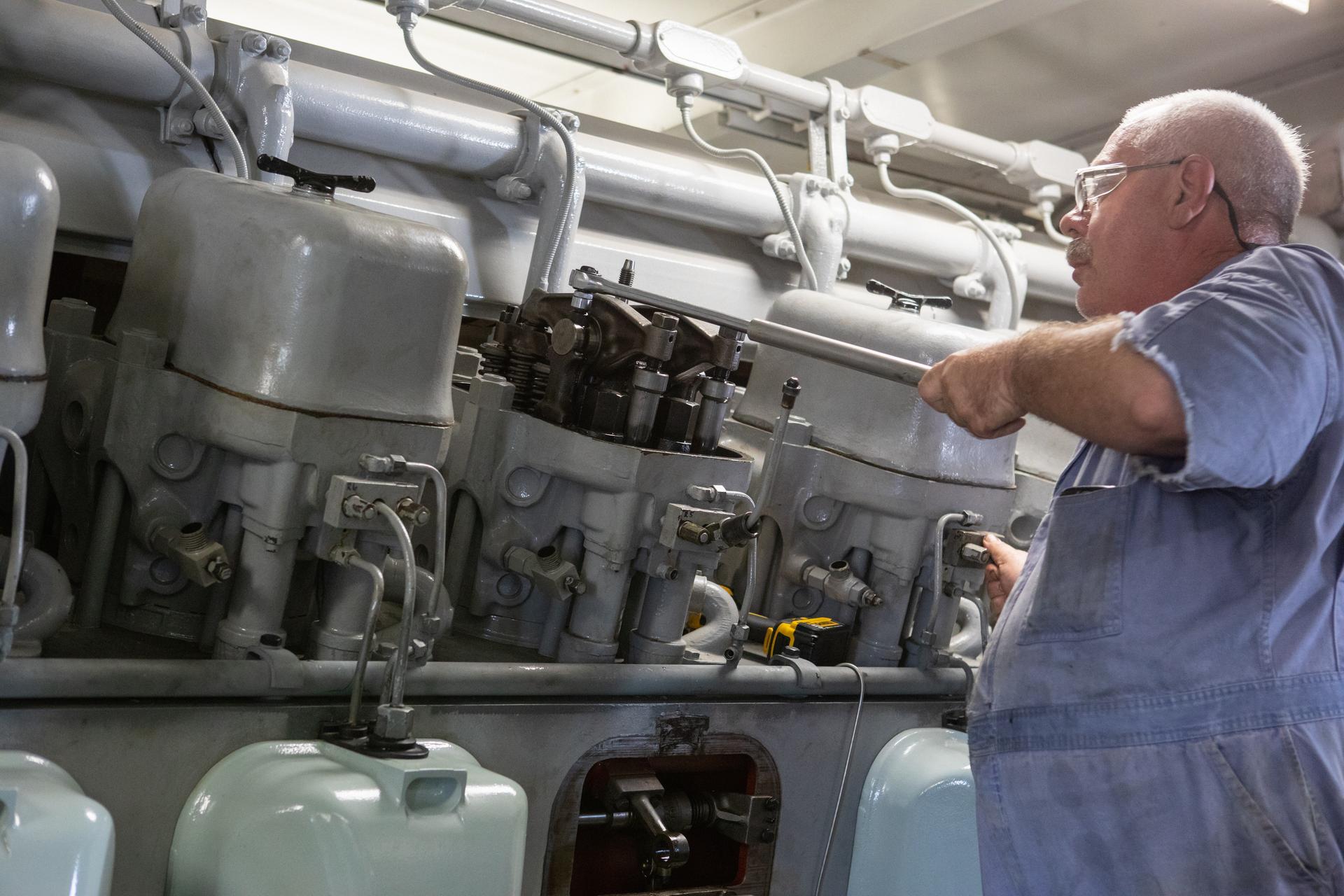
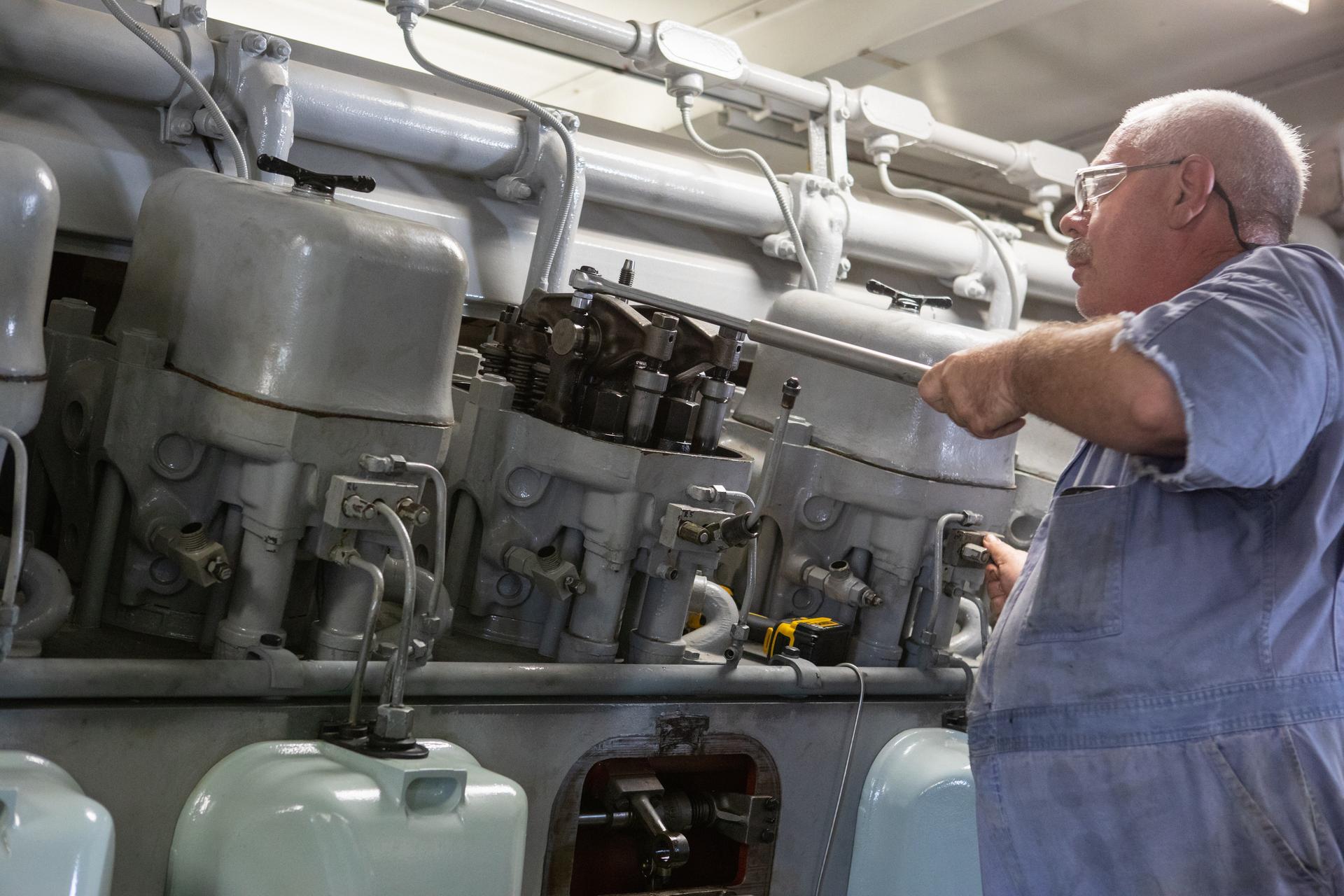
4 Min Read Career Spotlight: Mechanic (Ages 14-18) 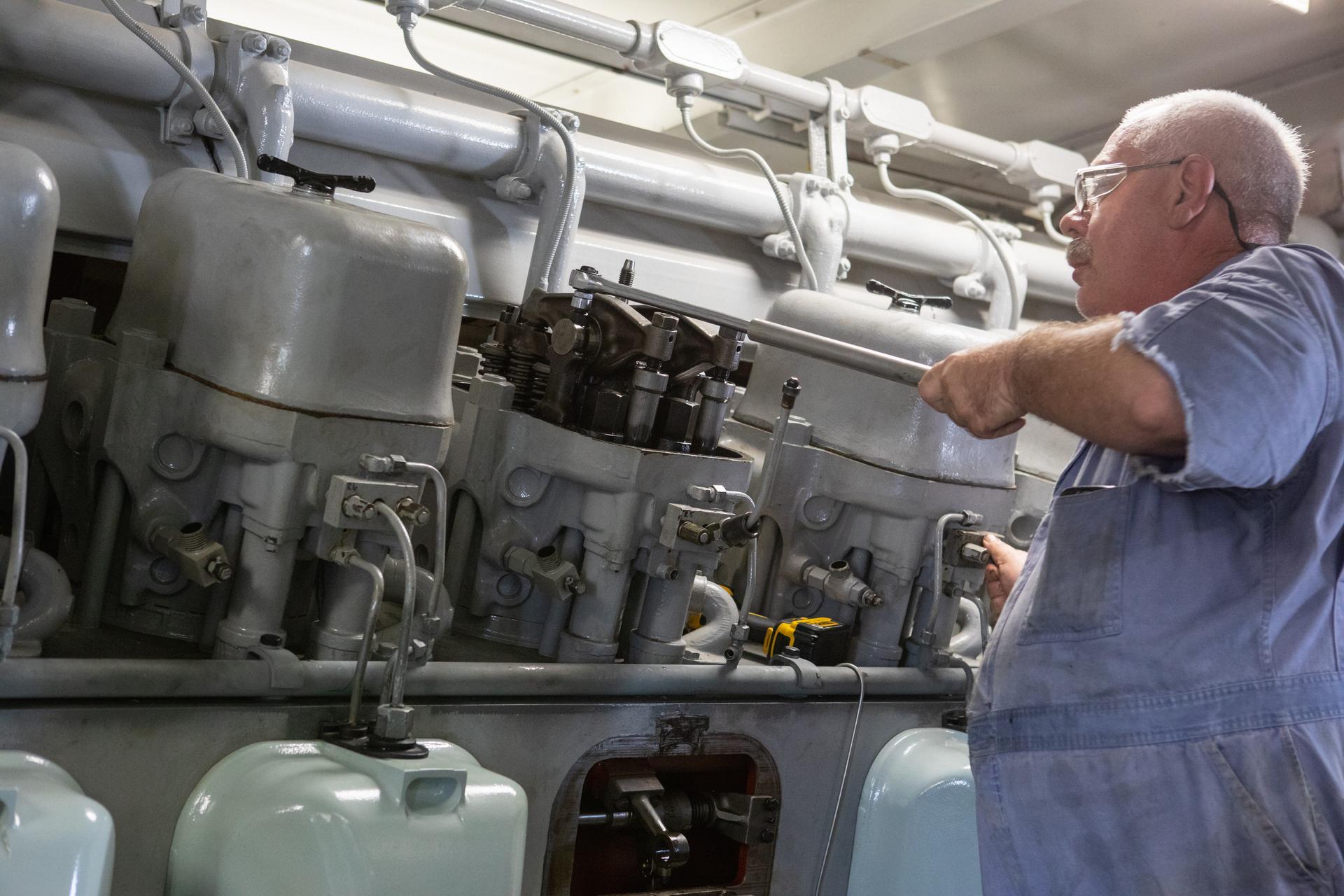 What does a mechanic do? Machines and engines are all around us. They power everything from cars and boats to airplanes and even rockets. Mechanics are experts who know how machinery works, especially engines, and how to fix them.
When you think of a mechanic, you might picture someone working on cars. But mechanics can be experts on all kinds of machinery.
What are some of the different types of work mechanics do at NASA? At NASA, mechanics perform a variety of functions. For example, aerospace mechanics maintain the airplanes studied at NASA’s Armstrong Flight Research Center in Edwards, California. These might include research planes studying the environment or experimental aircraft testing new wing designs.
At NASA’s Kennedy Space Center in Florida, mechanics keep machines like the crawler-transporters in top working condition. These massive machines carry rockets from the building where they are assembled to the launch pad.
Mechanics at the agency’s Michoud Assembly Facility in New Orleans ensure the fleet of barges used to carry powerful rocket sections are maintained and ready to use. These large ships have been used for decades to carry rocket parts to various NASA centers for testing and launches.
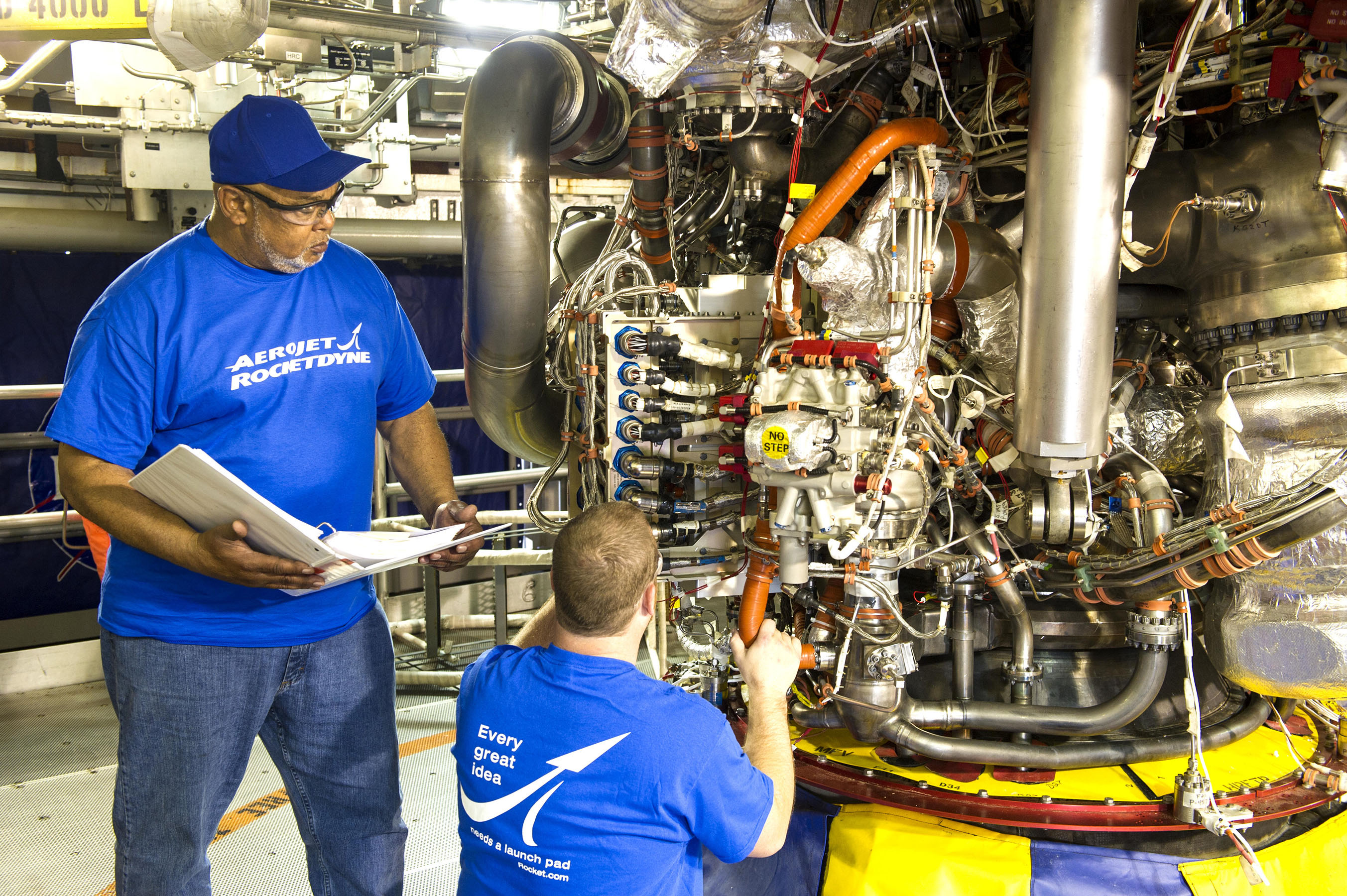 Mechanics from Aerojet Rocketdyne inspect the engine controller of an RS-25 rocket engine at NASA’s Stennis Space Center in Mississippi.NASA How can I become a mechanic? There are many options that provide the training needed to get started as a mechanic. Different types of mechanics require different types of training and certifications. Here are a few examples.
Automotive mechanic: Automotive mechanics are experts at the interconnected systems in cars and trucks. After getting a high school diploma or GED, seek out trade or technical schools that have mechanic training programs. These provide hands-on experience. Further training may be required to work on specific types of automobiles. Certifications can help you advance specific skills and demonstrate proficiency.
Heavy equipment mechanic: The path to a career as a heavy equipment mechanic often begins with a two-year degree. Look for a program at your local community college or technical school. Opportunities to begin working right after high school are also available. You may start by doing basic tasks or by being paired with a senior mechanic to build skills. Most heavy equipment mechanics go through three to four years of hands-on training before taking certification and licensing tests.
Aircraft mechanic: Maintaining and repairing aircraft requires a special skillset. Community colleges and technical schools offer programs approved by the Federal Aviation Administration. These programs can fast-track your route to a career. They provide hands-on experience and help you prepare for tests needed to receive your certifications.
For many mechanic roles, military service is also a way to get training and certifications.
How can I start preparing today to become a mechanic? In high school, take courses in math, science, and industrial technology. Check out any career and technical education programs your school might offer. Read repair manuals and look for online tutorials to figure out the basics of how machines work.
You can also gain useful experience through part-time work. Look for jobs or shadowing opportunities at your local repair shop.
Begin researching training programs, community colleges, and apprenticeship opportunities. Compare options to see which pathway seems right for you. This will help you understand program requirements and ensure you’re ready to take the next step.
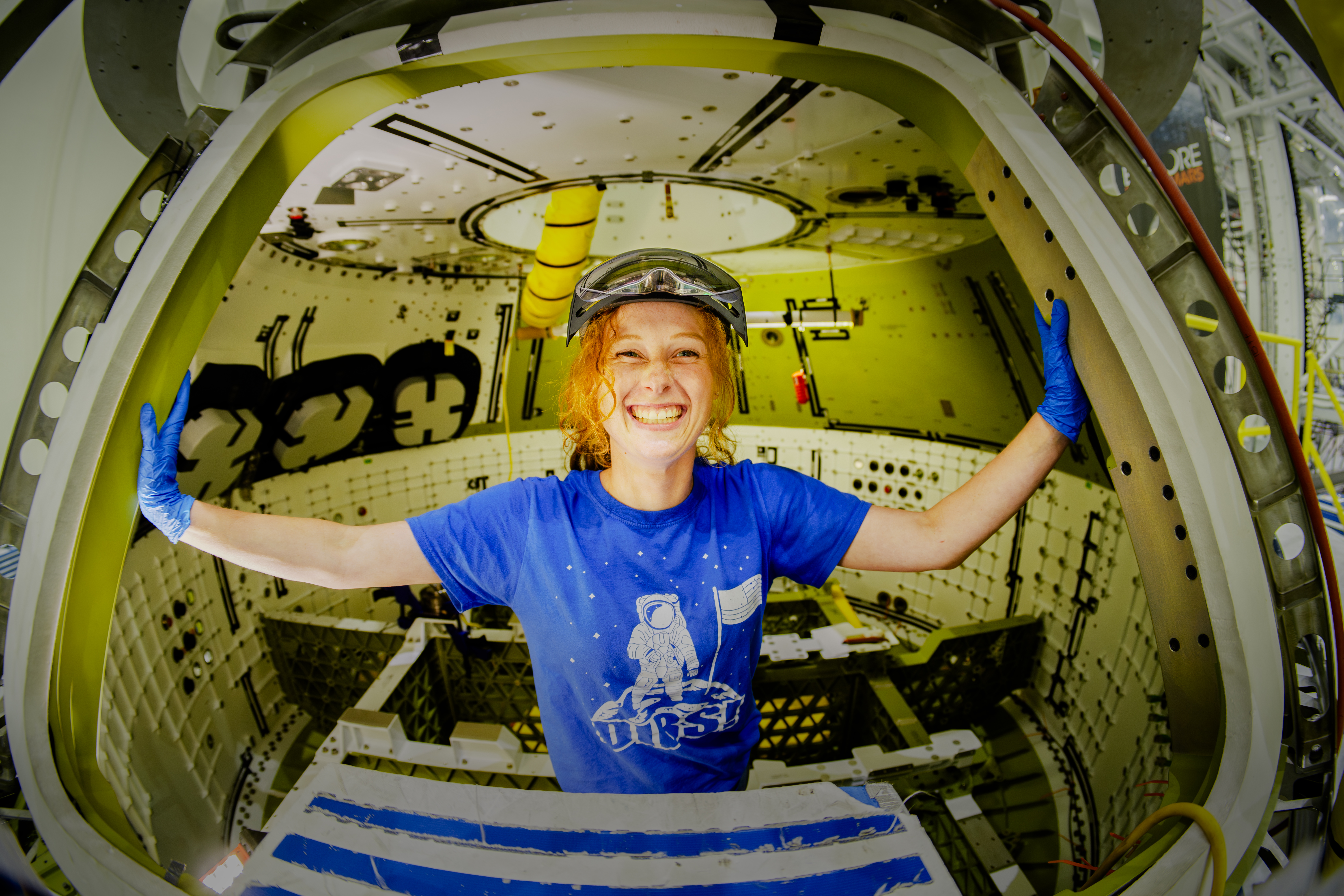 Rebekah Tolatovicz, a mechanical technician lead, works inside the Artemis III Orion crew module NASA’s Kennedy Space Center in Florida.NASA What skills will I need to be a successful mechanic? Mechanics must be good problem solvers. Troubleshooting repairs on complex machinery requires logical thinking and patience. Being detail-oriented is critical to make sure measurements are correct and safety specifications are met.
Keeping up with the latest technology is important, too. Mechanics use computer equipment and electronic sensors to run diagnostics. And machinery technology can evolve rapidly with new advancements like electric vehicles and drones. Take initiative and stay curious.
The best part is knowing that people’s safety depends on the quality of your work. It’s rewarding to watch an aircraft take off with confidence, knowing you helped make it happen. 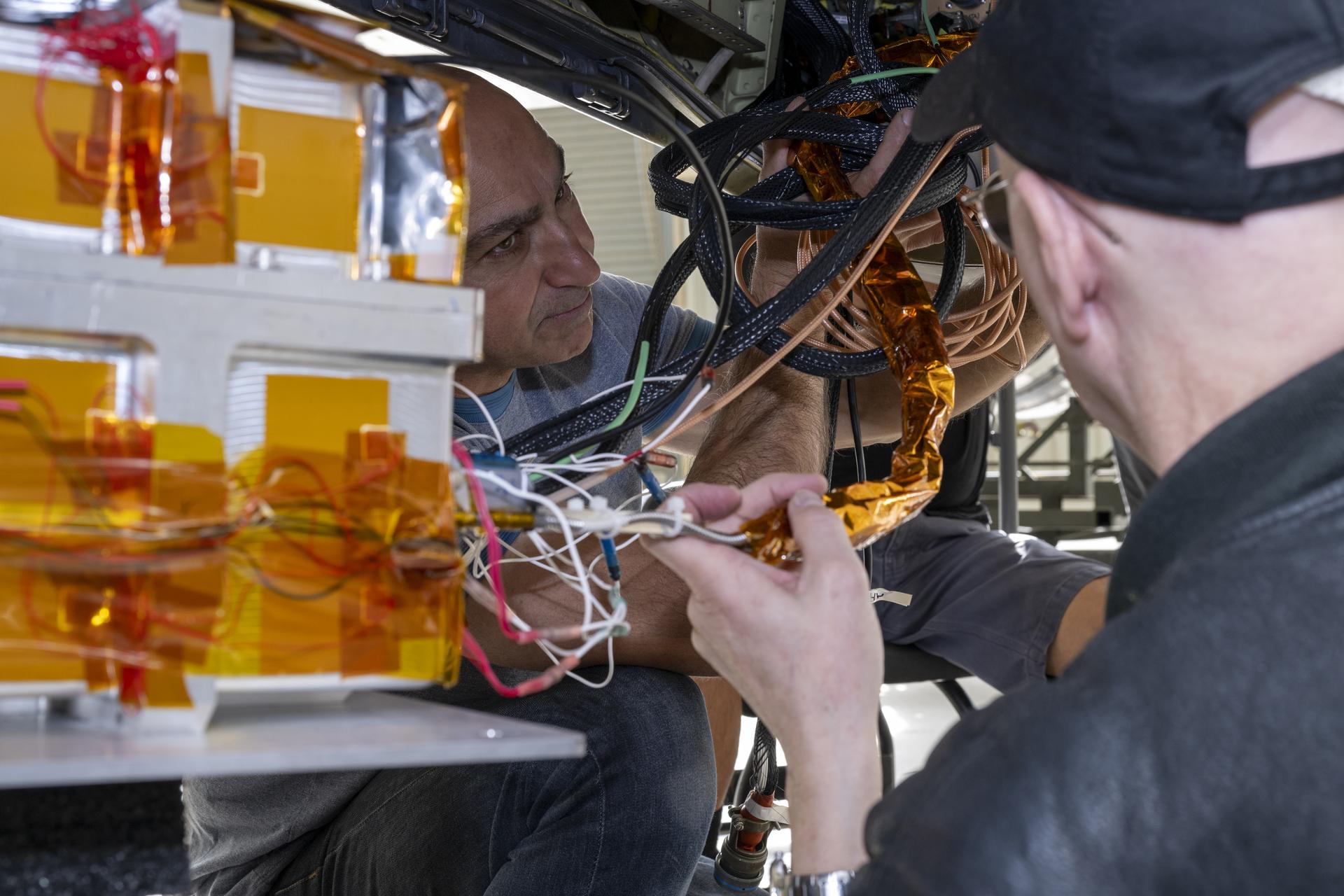 Wissam Habbal
Aircraft Mechanic, Armstrong Flight Research Center
Additional Resources Occupational Outlook for Mechanical Engineering Technicians: Pay, Education, Job Outlook, and More (From the U.S. Bureau of Labor Statistics) Occupational Outlook for Aircraft Mechanics: Pay, Education, Job Outlook, and More (From the U.S. Bureau of Labor Statistics) NASA Careers Career Spotlight: Engineer Career Spotlight: Scientist Career Spotlight: Technologist Career Spotlight: Mathematician Career Spotlight: Welder Keep Exploring Discover More Topics From NASA For Students Grades 9-12