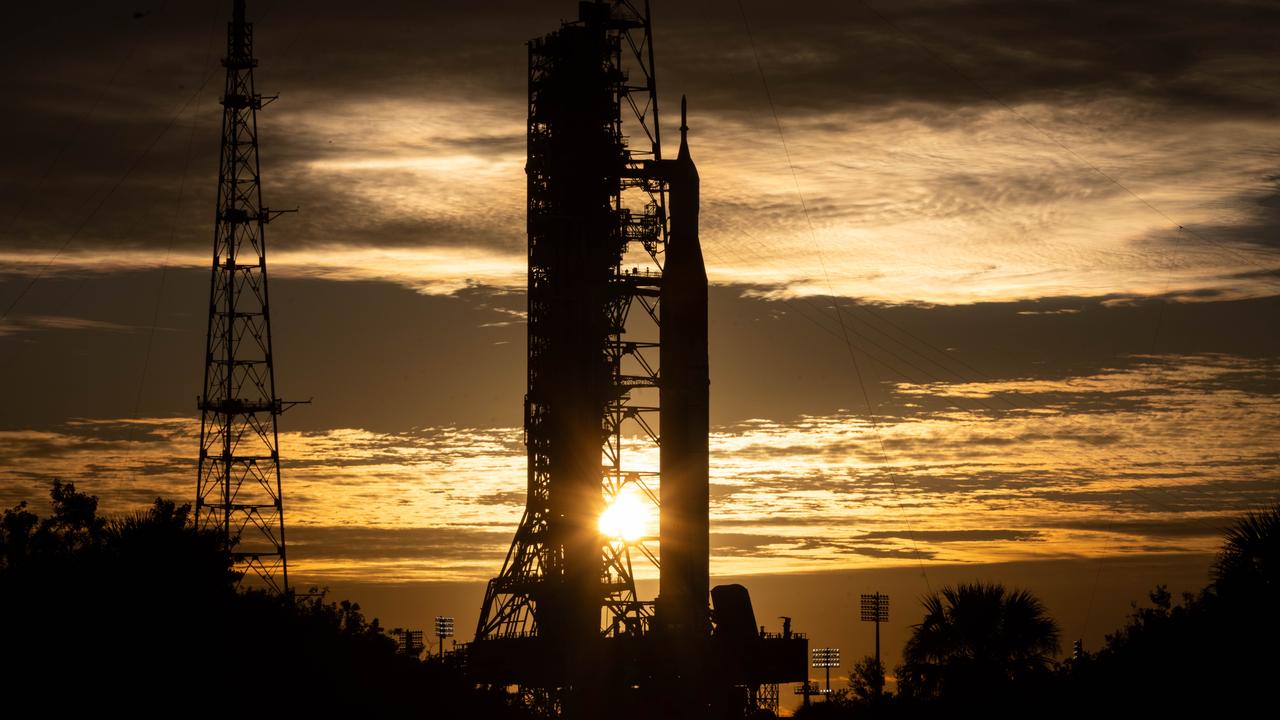
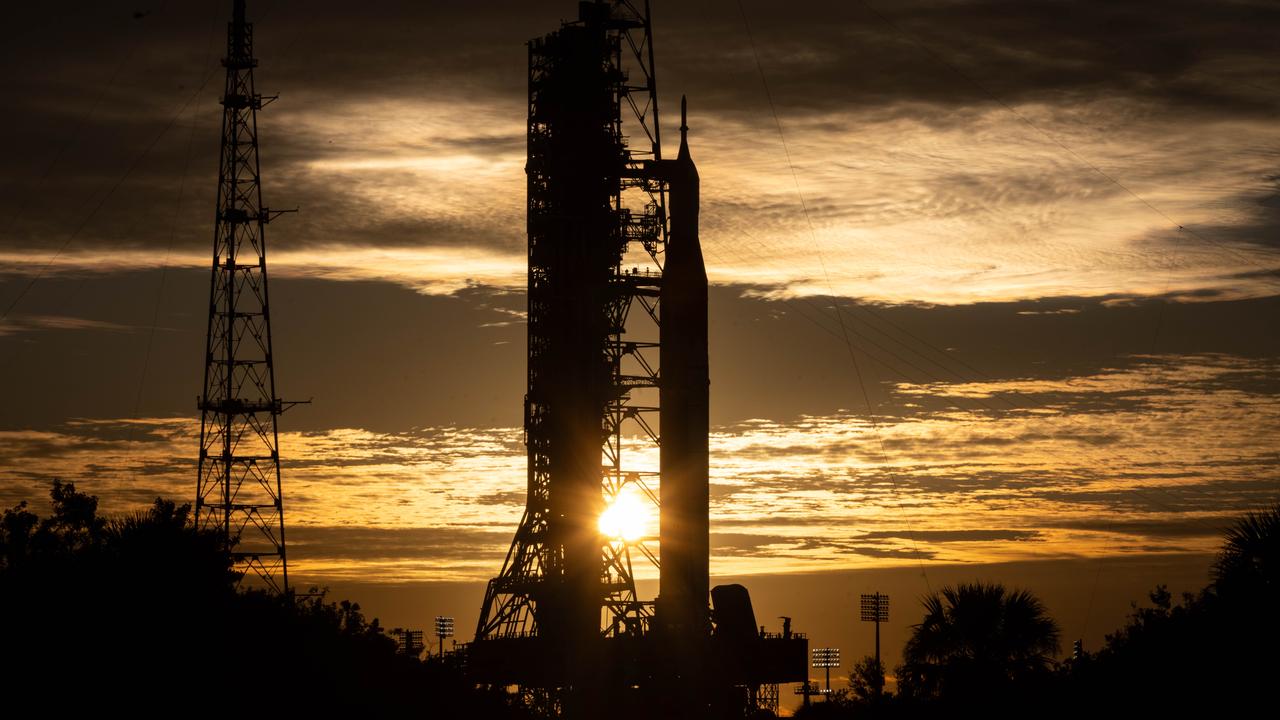
The Artemis II wet dress rehearsal countdown continues as teams at NASA’s Kennedy Space Center in Florida began configuring the SLS (Space Launch System) rocket and Orion spacecraft with gaseous nitrogen, an important step to mitigate fire hazards, protect spacecraft systems, and ensure mission safety.
Technicians are currently replacing the ambient air in the SLS and Orion crew module with gaseous nitrogen, which is an inert gas that does not support combustion. By replacing air – which contains highly-combustible oxygen – with nitrogen, engineers can remove the oxidizer needed to sustain fire and dramatically reduce flammability risks in a launch environment filled with high-energy systems and propellants.
The step also includes an inerting purge that removes oxygen and prevents contaminants like moisture or particulates from entering sensitive systems on SLS and Orion. This keeps propulsion and life-support hardware clean and stable and creates a non-reactive environment that protects hardware and minimizes chemical reactions during countdown and ascent.
While gaseous nitrogen is excellent for fire prevention, it is hazardous for humans to breathe because it displaces oxygen, so all personnel have cleared the area during operations.
Up next, NASA’s Artemis launch director, Charlie Blackwell-Thompson and mission management team will poll whether to give a “go” for tanking operations around 10:45 a.m. EST, following a briefing from weather officers in the U.S. Space Force Space Launch Delta 45. While there won’t be a launch today, teams are targeting 9 p.m. EST as the opening of a simulated launch window. Following a first run, teams will recycle the clock to T-10 minutes and will resume until stopping at approximately T-30 seconds.
A 24/7 live stream of the rocket at the pad continues online.