Curiosity Navigation Curiosity Home Mission Overview Where is Curiosity? Mission Updates Science Overview Instruments Highlights Exploration Goals News and Features Multimedia Curiosity Raw Images Images Videos Audio Mosaics More Resources Mars Missions Mars Sample Return Mars Perseverance Rover Mars Curiosity Rover MAVEN Mars Reconnaissance Orbiter Mars Odyssey More Mars Missions Mars Home 3 min read
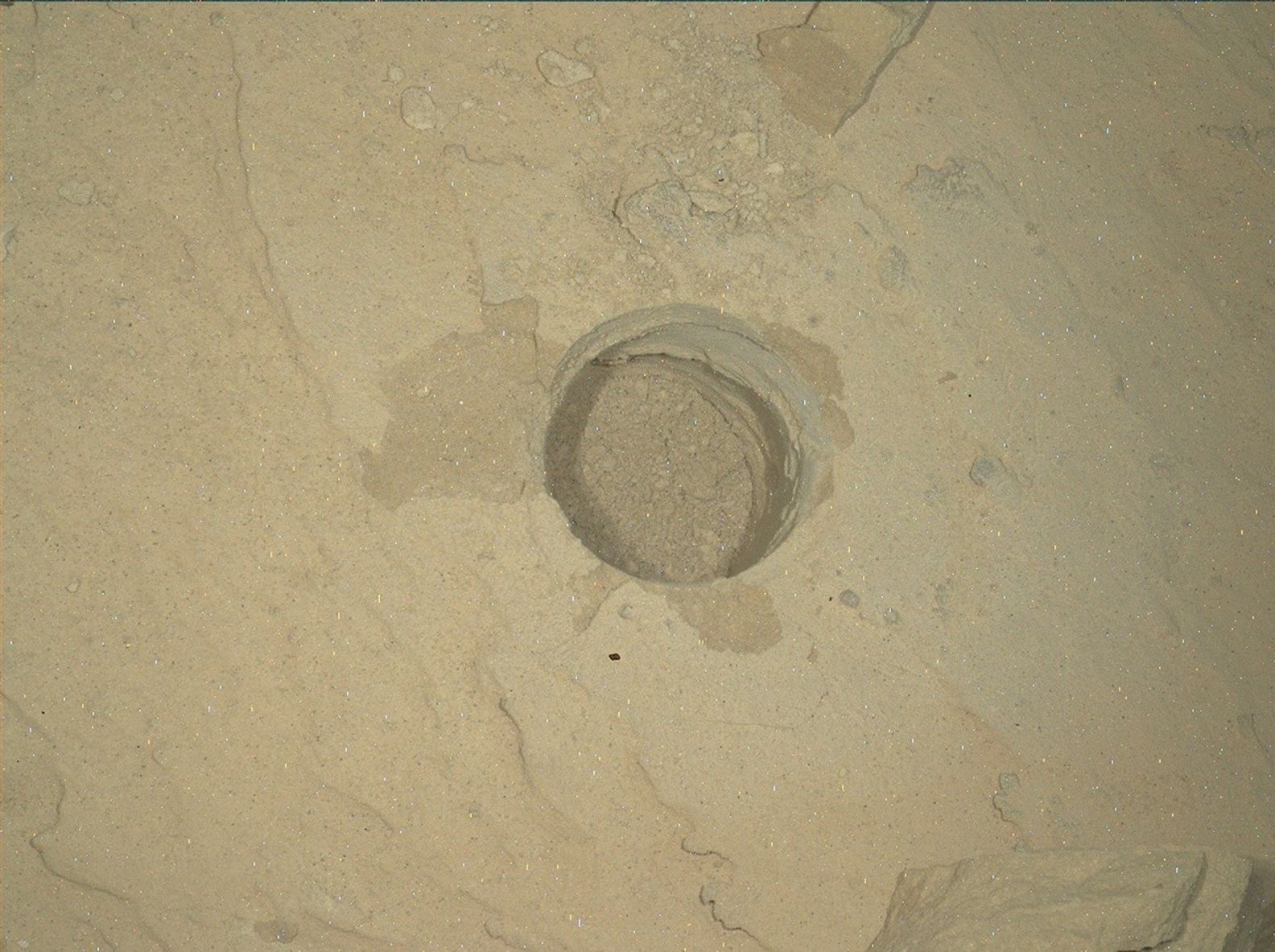
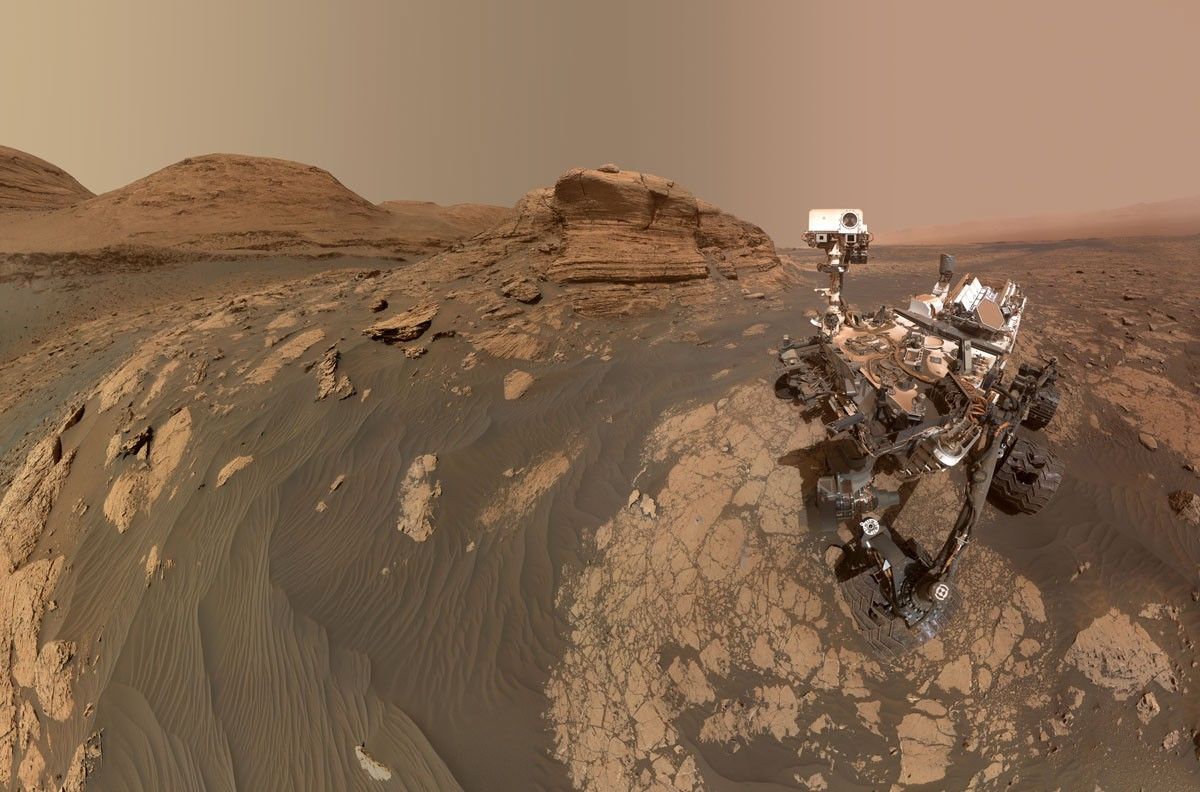
Curiosity Blog, Sols 4900-4907: Pasadena, We Have a Drill Sample! 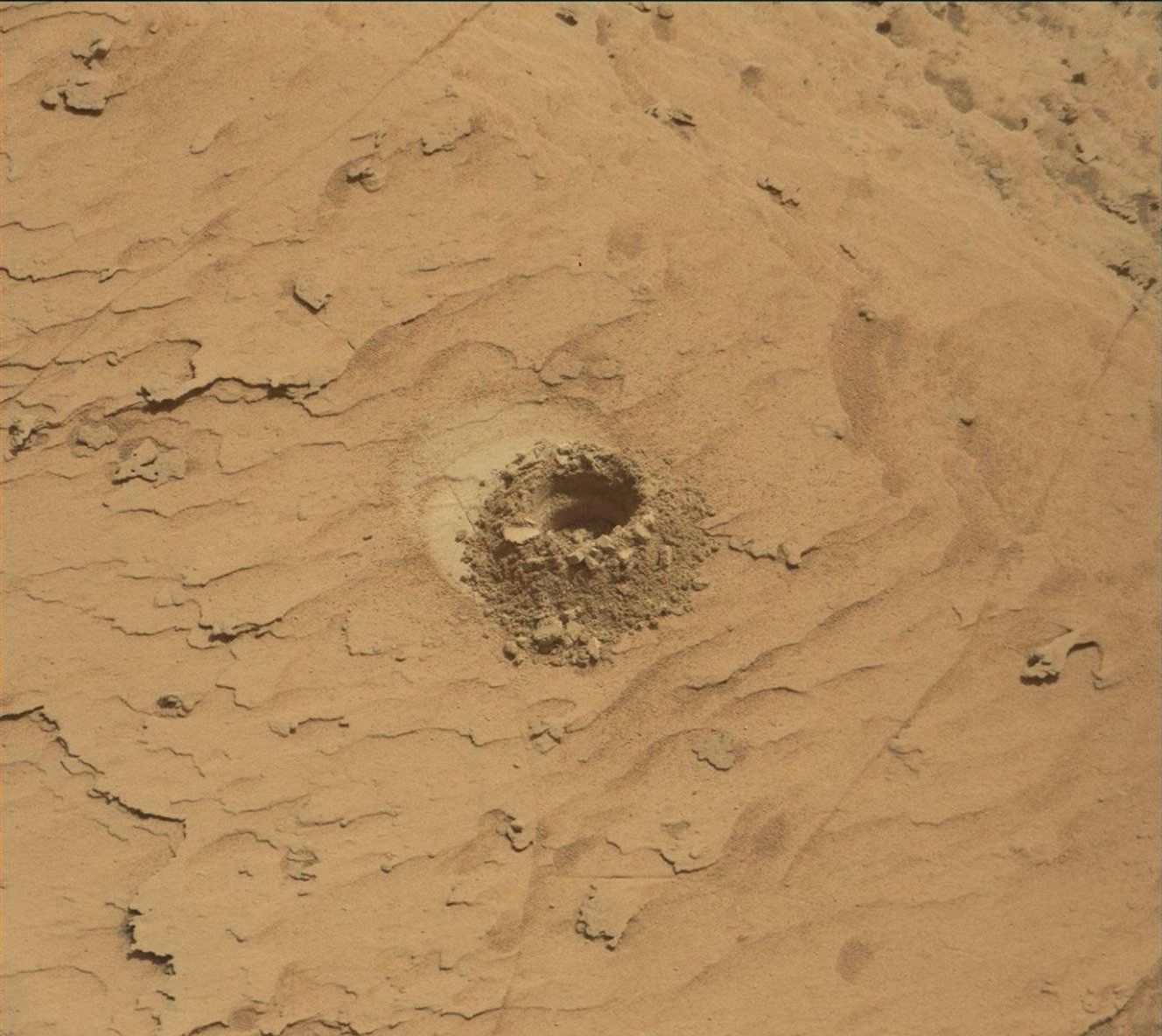 NASA’s Mars rover Curiosity acquired this image, the first color look of the “Campo Marte” drill hole, on May 16, 2026. The rover captured the image using its right Mast Camera (Mastcam) — one of a pair of cameras mounted on the head atop the rover’s mast — on Sol 4897, or Martian day 4,897 of the Mars Science Laboratory mission, at 18:05:49 UTC. NASA/JPL-Caltech/MSSS Written by Abigail Fraeman, Deputy Project Scientist at Jet Propulsion Laboratory, California Institute of Technology
Earth planning date: Friday, May 22, 2026
I spent this past weekend eagerly awaiting the downlink from Mars that would show us the results of Curiosity’s drill attempt at “Campo Marte.” A few weeks ago, when Curiosity drilled the “Atacama” block, it had been quite the surprise to see the post-drill images arrive on Earth that showed the rover picking up the entire Atacama block along with the drill. After freeing ourselves from this pesky passenger, the team carefully assessed all the telemetry and imaging data we had collected to understand why the entanglement happened and to mitigate the chance of it happening again. We concluded it would be ok to try another drill in this general area, and nearby Campo Marte looked like a great target because it had all the right geologic features and was significantly bigger than Atacama. What a delight it was to see images, like the Mastcam shown above, streaming down on Saturday that showed Curiosity had successfully retracted its drill from the rock and collected some sample to analyze this time around!
On Monday, the team looked at the pinches of drilled rock powder, or portions, that we had dropped as a test onto part of Curiosity, an element of our standard post-drilling activities. You can also take a look at what we saw — here’s a picture of the rover before we did anything, and here’s what we saw after we delivered the first portion, and then the second portion. Can you make out the little bit of powder that appears between the sample deliveries? This test is important to make sure we’ll provide good samples to the analytical instruments inside our chassis, CheMin and SAM. Beyond their science operations value, I also love seeing these images because they remind me how powerful our laboratory instruments are. With just a little pinch of powder, no more than tens of milligrams, these laboratories can reveal incredibly detailed information about the composition of Martian rocks and give us huge new insights into the planet’s past climate and habitability.
We concluded the portions from Campo Marte looked similar to the drilled samples we’ve previously analyzed, so we went ahead and delivered one portion to CheMin in Monday’s plan. We use the results from CheMin to tailor our analysis of the samples with SAM, so after we saw the first CheMin results in the middle of the week, we made decisions about how to run SAM and then planned to analyze four portions with that instrument in today’s plan. We think we’ll be nearly out of sample after that, but it’s hard to know for sure (we only drilled to a depth of 28 millimeters here, about 1.1 inches, rather than our usual 35 millimeters, or 1.38 inches). To learn more, in this upcoming weekend’s plan, we’ll also repeat the sample drop-off test we did right after drilling, which will show us how many portions were left. We do a ton of testing with Curiosity’s twin drill here on Earth, but it’s always insightful to see how our hardware performs on Mars under the unique geologic and environmental conditions of that entirely different world.
Want to read more posts from the Curiosity team?
Visit Mission Updates
Want to learn more about Curiosity’s science instruments?
Visit the Science Instruments page
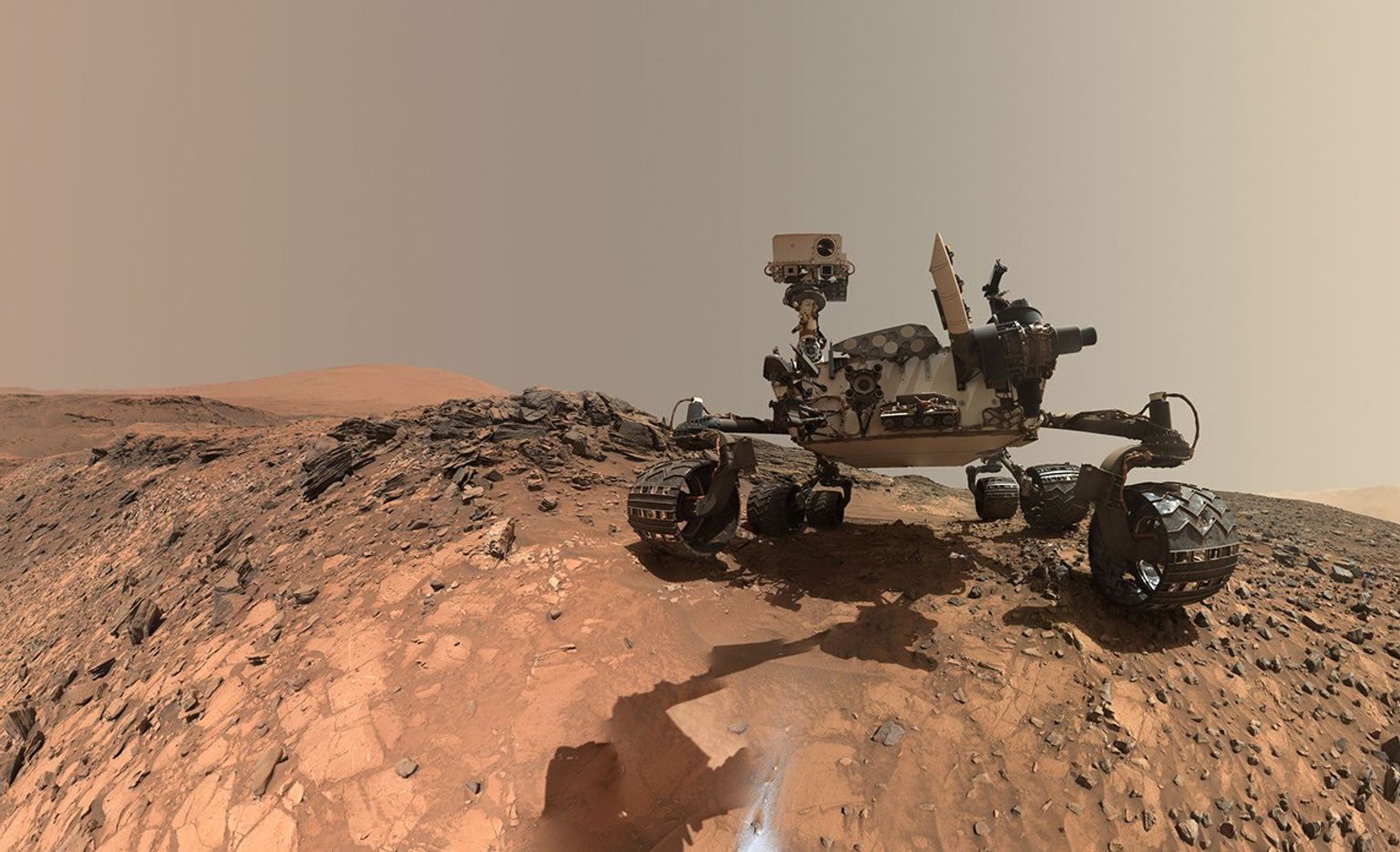
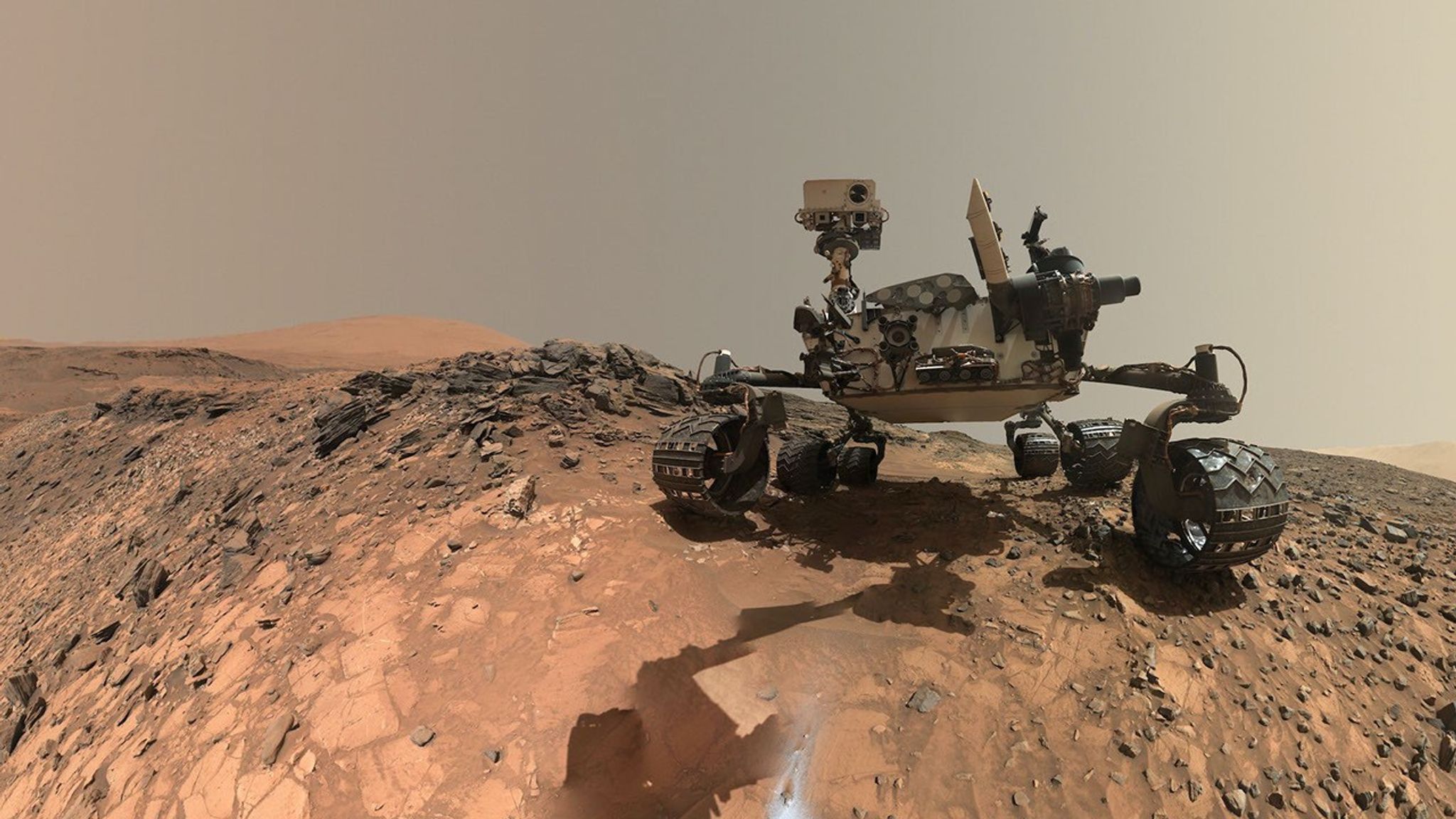 NASA’s Curiosity rover at the base of Mount Sharp NASA/JPL-Caltech/MSSS
Details Last Updated May 28, 2026 Related Terms Blogs
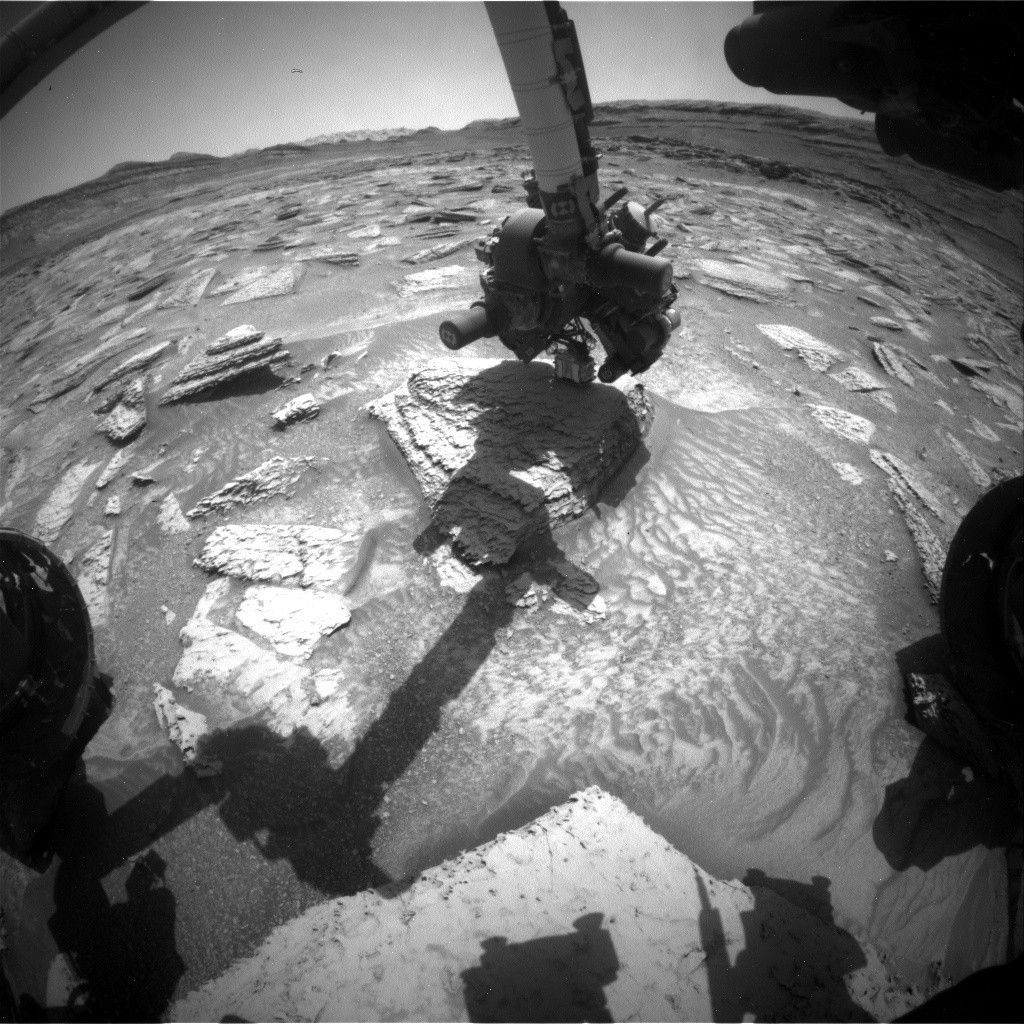 3 min read Curiosity Blog, Sols 4893-4899: Drilling at Campo Marte and a Visit From the Psyche Spacecraft
Article
1 week ago
 3 min read Curiosity Blog, Sols 4886-4892: Ingenuity and Perseverance, Curiosity Style
Article
2 weeks ago
 3 min read Curiosity Blog, Sols 4879-4885: Struggle at Atacama
Article
3 weeks ago
Keep Exploring Discover More Topics From NASA Mars
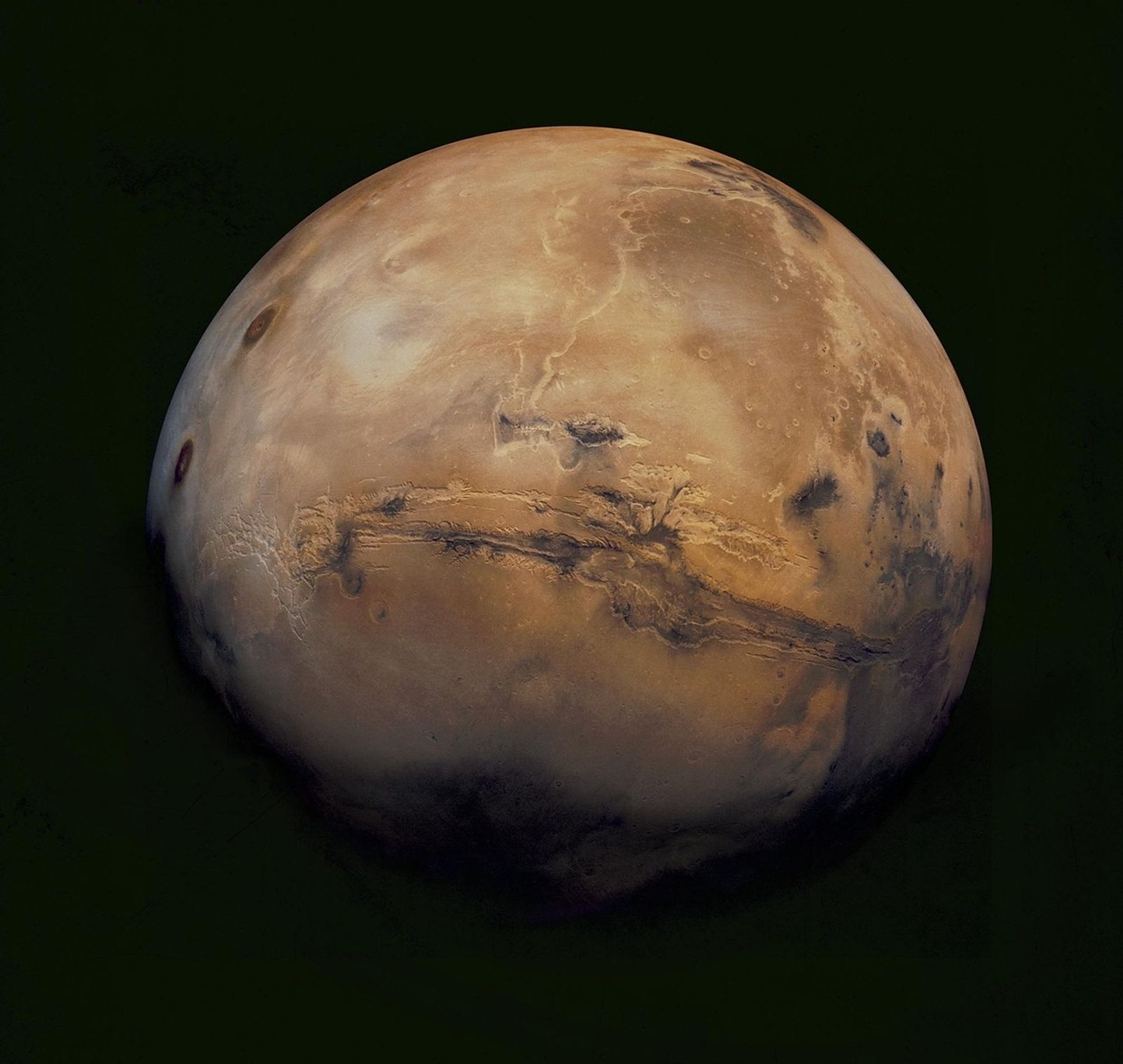
Mars is the fourth planet from the Sun, and the seventh largest. It’s the only planet we know of inhabited…
Explore this collection of Mars images, videos, resources, PDFs, and toolkits. Discover valuable content designed to inform, educate, and inspire,…
Each robotic explorer sent to the Red Planet has its own unique capabilities driven by science. Many attributes of a…
Mars Exploration: Science Goals
The key to understanding the past, present or future potential for life on Mars can be found in NASA’s four…