
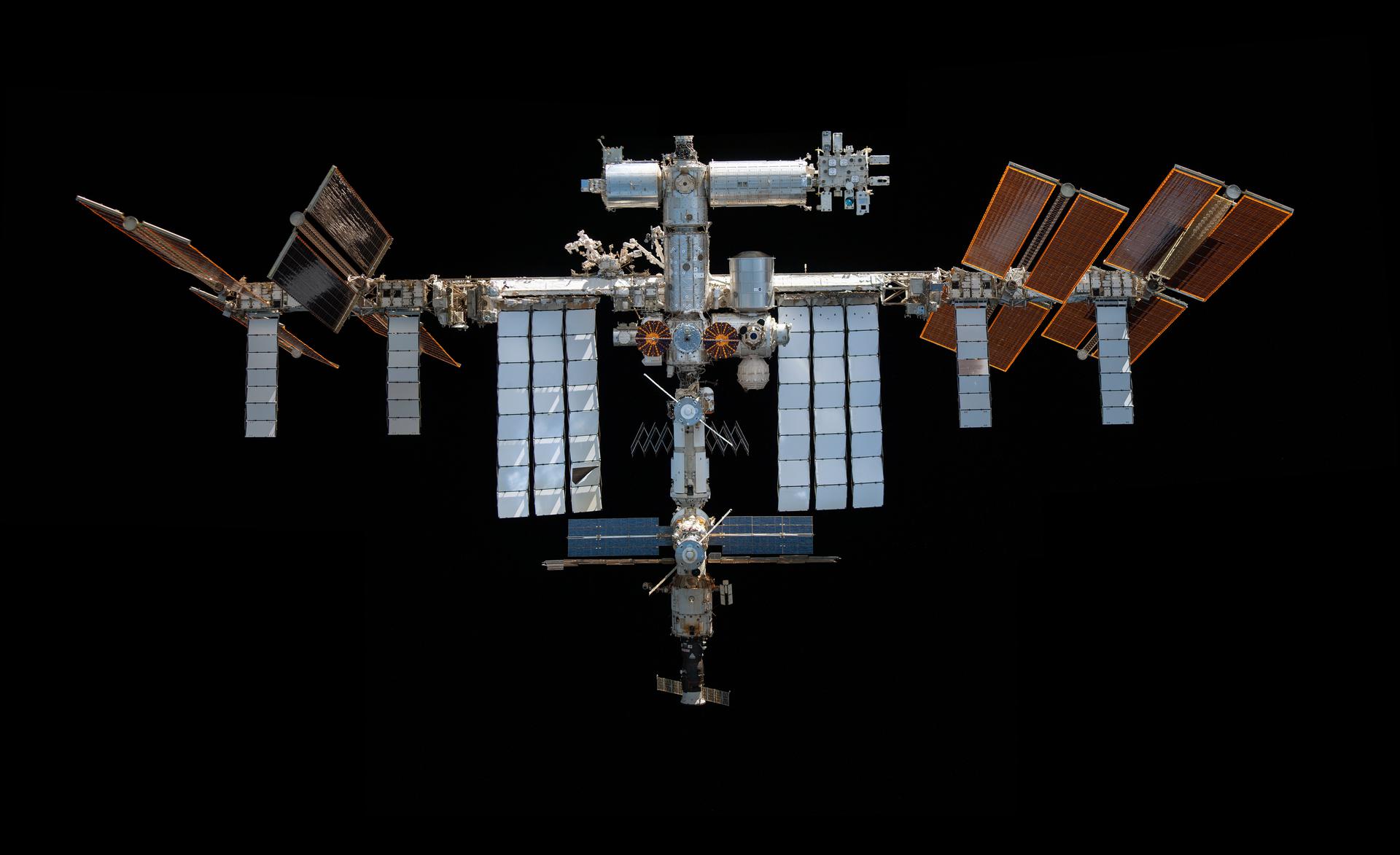
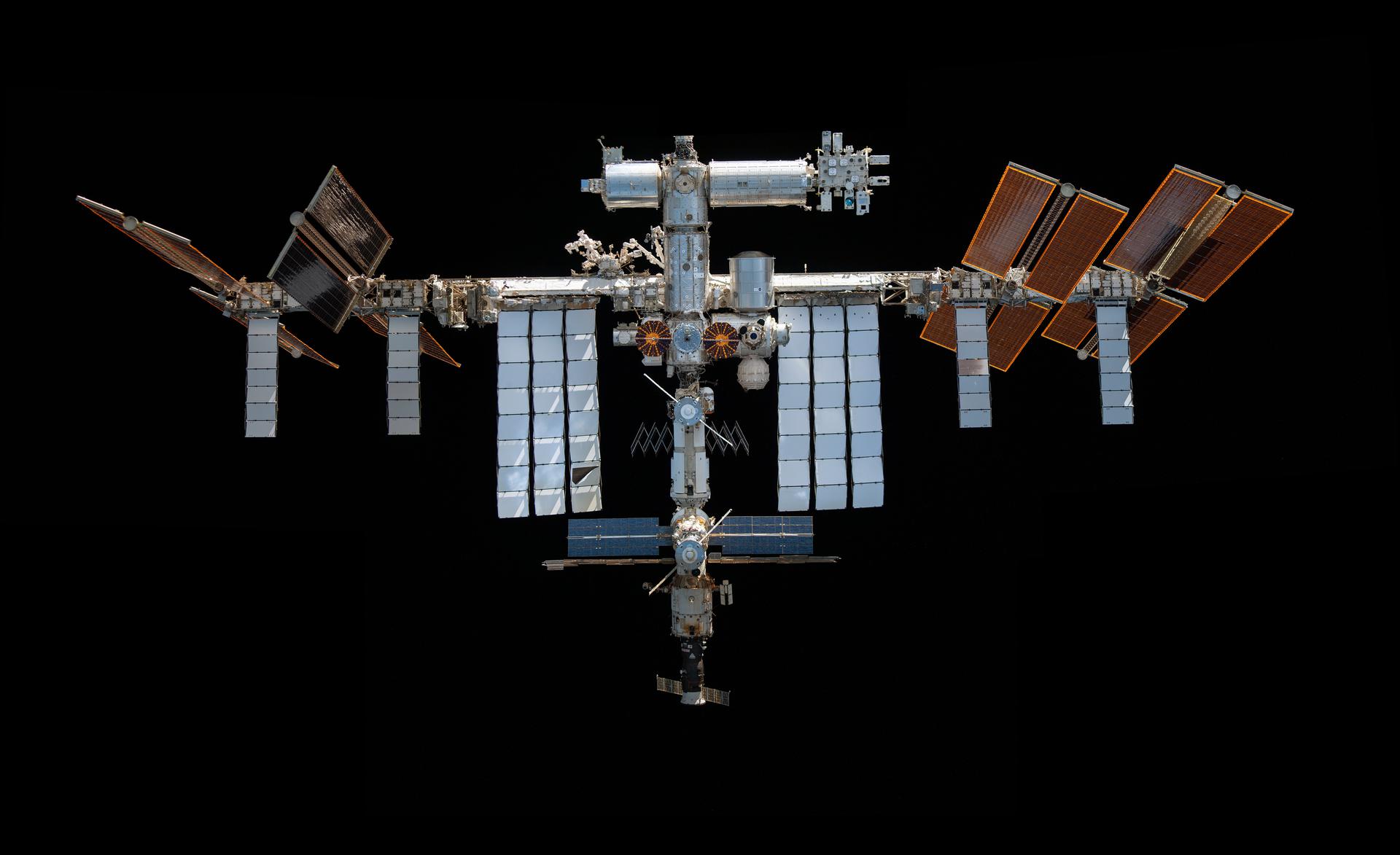
NASA and SpaceX have completed a weather review and have waived off Crew-12’s Thursday, Feb. 12, launch opportunity to the International Space Station due to unfavorable forecasted weather conditions. Meanwhile, the Expedition 74 crew focused on astronaut health research, cargo operations, and lab maintenance.
Mission teams are targeting the launch of NASA’s SpaceX Crew-12 mission for no earlier than 5:15 a.m. EST on Friday, Feb. 13, from Cape Canaveral Space Force Station in Florida. NASA astronauts Jessica Meir and Jack Hathaway along with ESA (European Space Agency) astronaut Sophie Adenot and Roscosmos cosmonaut Andrey Fedyaev would then dock to the space station’s Harmony module at 3:15 p.m. on Saturday, Feb. 14. The commercial crew quartet will stay in space for a nine-month microgravity research mission.
Back on the orbital outpost, NASA Flight Engineer Chris Williams began his shift with a fitness test measuring his cardiovascular health. Williams attached sensors to his chest and strapped on a heart rate monitor then pedaled for an hour on an exercise bike in the Destiny laboratory module. Doctors on the ground monitored his workout session in real time to detect potential signs of space-caused distress and ensure his long-term well-being off the Earth.
Williams ended his day continuing to pack completed science experiments, their associated samples, and station hardware inside a SpaceX Dragon spacecraft for return to Earth on an upcoming date. Dragon arrived at the orbital outpost on Aug. 25, 2025, delivering over 5,000 pounds of scientific investigations, station hardware, and crew supplies.
Roscosmos cosmonauts Sergey Kud-Sverchkov and Sergei Mikaev took turns measuring their heart activity using electrodes and collecting their blood pressure measurements wearing cuffs on their arm, wrist, and thumb. Their biomedical data was recorded to a computer and will be shared with doctors on Earth to assess microgravity’s effect on blood flow regulation and inflammation responses.
Kud-Sverchkov then studied how living in space affects memory and immunity. He first collected his saliva and hair samples for analysis. Next, he took a test measuring his sleep quality, daily moods, and the stress levels he experiences. Finally, he collected his heart and oxygen data and saved the data to a computer. Doctors will use the data to investigate how living in space long term impacts a crew member’s psychological state.
Mikaev focused on maintenance during the first part of his shift on Tuesday starting in the Nauka science module and servicing its ventilation system then inspecting and photographing cargo panels in the Zarya module. Next, he participated in a psychological test to determine how living in space affects his personality characteristics and his team behavior. Researchers will use the insights to help prevent stress-related health issues, maintain cognitive performance, and maintain team harmony during a spaceflight.
Learn more about station activities by following the space station blog, @space_station on X, as well as the ISS Facebook and ISS Instagram accounts.
Get the latest from NASA delivered every week. Subscribe here.