2 min read
Preparations for Next Moonwalk Simulations Underway (and Underwater) NASA/Jacob Shaw
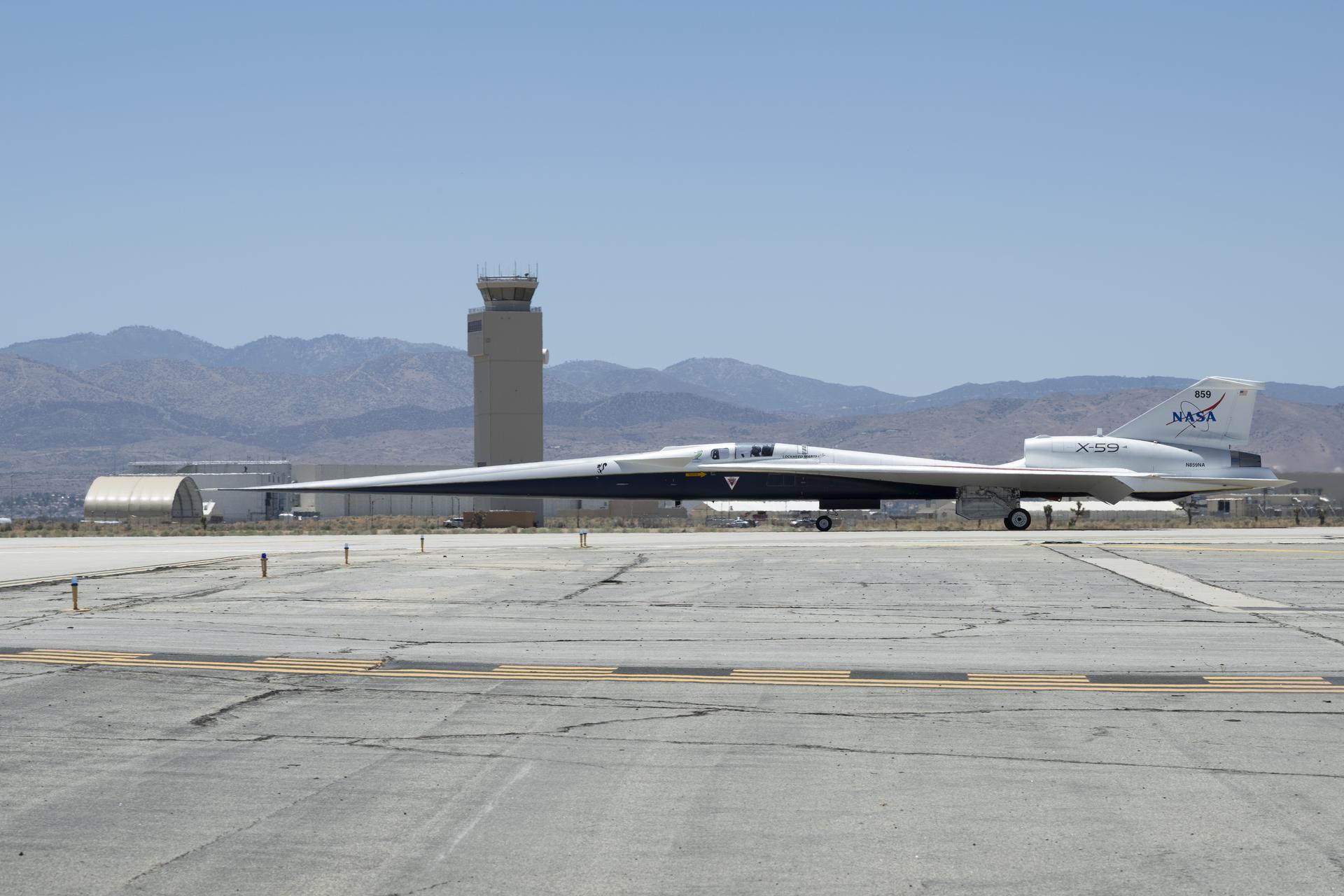
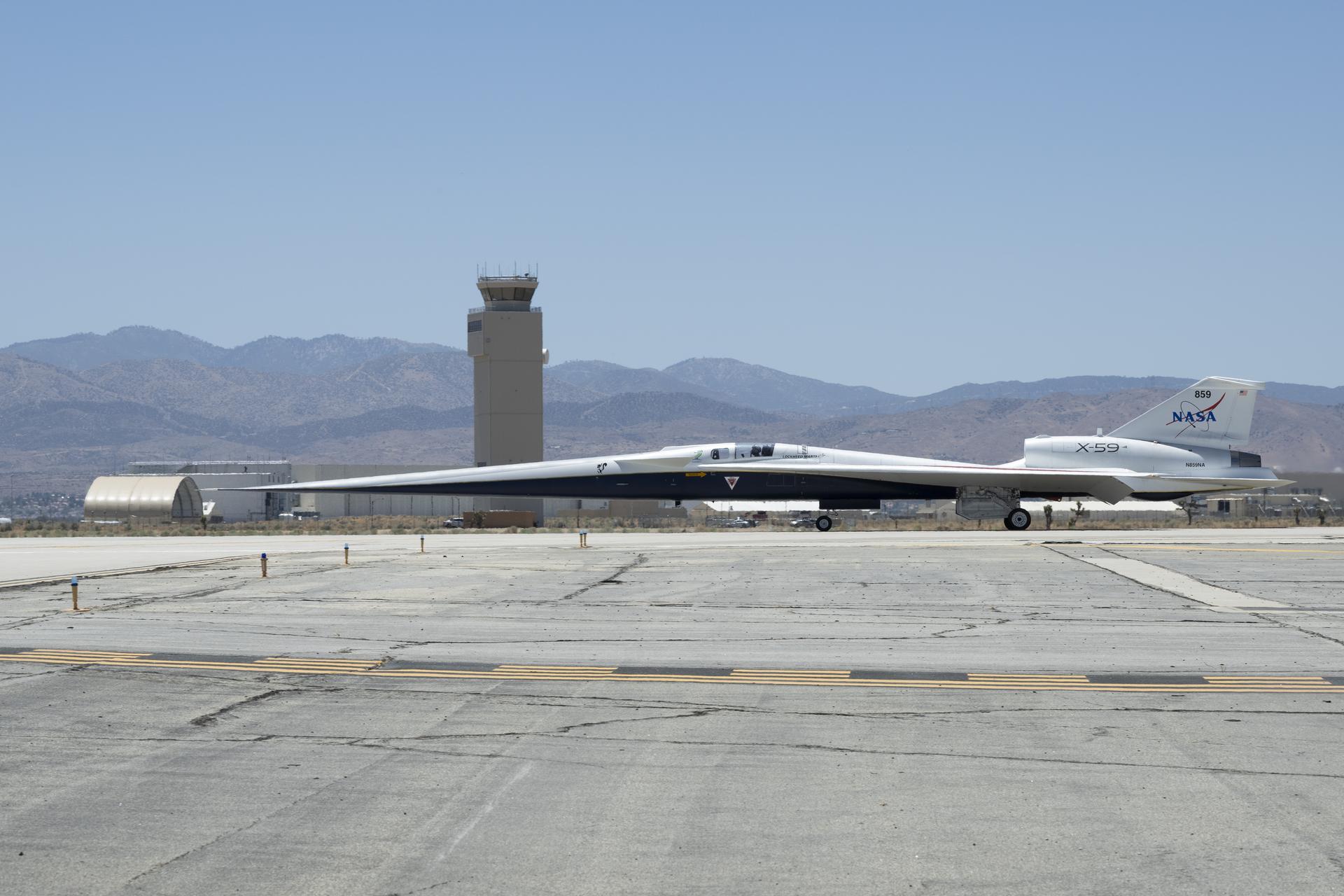
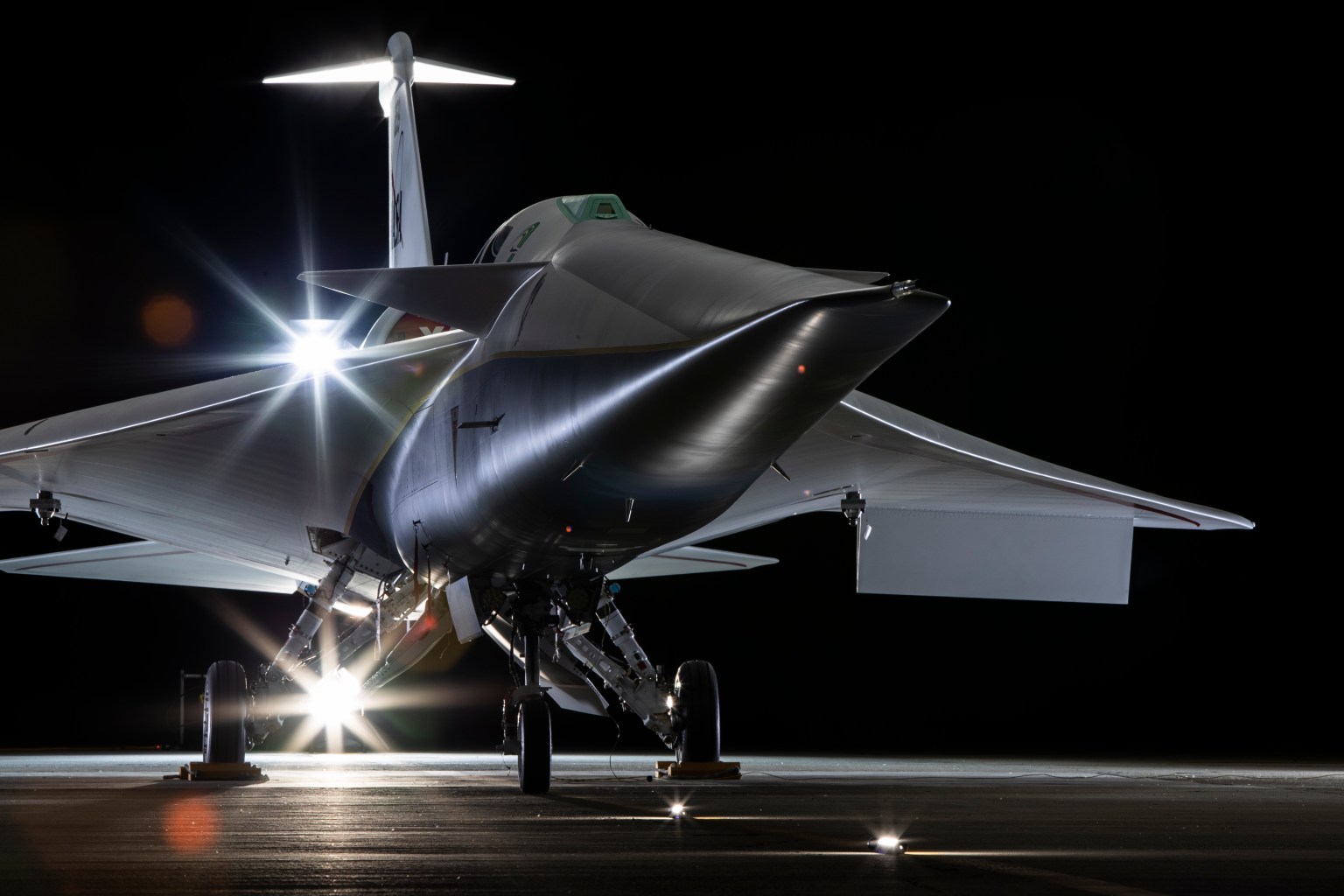
NASA’s X-59 quiet supersonic research aircraft has officially begun taxi tests, marking the first time this one-of-a-kind experimental aircraft has moved under its own power.
NASA test pilot Nils Larson and the X-59 team, made up of NASA and contractor Lockheed Martin personnel, completed the aircraft’s first low-speed taxi test at U.S. Air Force Plant 42 in Palmdale, California, on July 10, 2025.
The taxiing represents the X-59’s last series of ground tests before first flight. Over the coming weeks, the aircraft will gradually increase its speed, leading up to a high-speed taxi test that will take the aircraft just short of the point where it would take off.
During the low-speed tests, engineers and flight crews monitored how the X-59 handled as it moved across the runway, working to validate critical systems like steering and braking. These checks help ensure the aircraft’s stability and control across a range of conditions, giving pilots and engineers confidence that all systems are functioning as expected.
The X-59 is the centerpiece of NASA’s Quesst mission, which aims to demonstrate quiet supersonic flight by reducing the loud sonic boom to a quieter “thump.” Data gathered from the X-59 will be shared with U.S. and international regulators to inform the establishment of new, data-driven acceptable noise thresholds related to supersonic commercial flight over land.
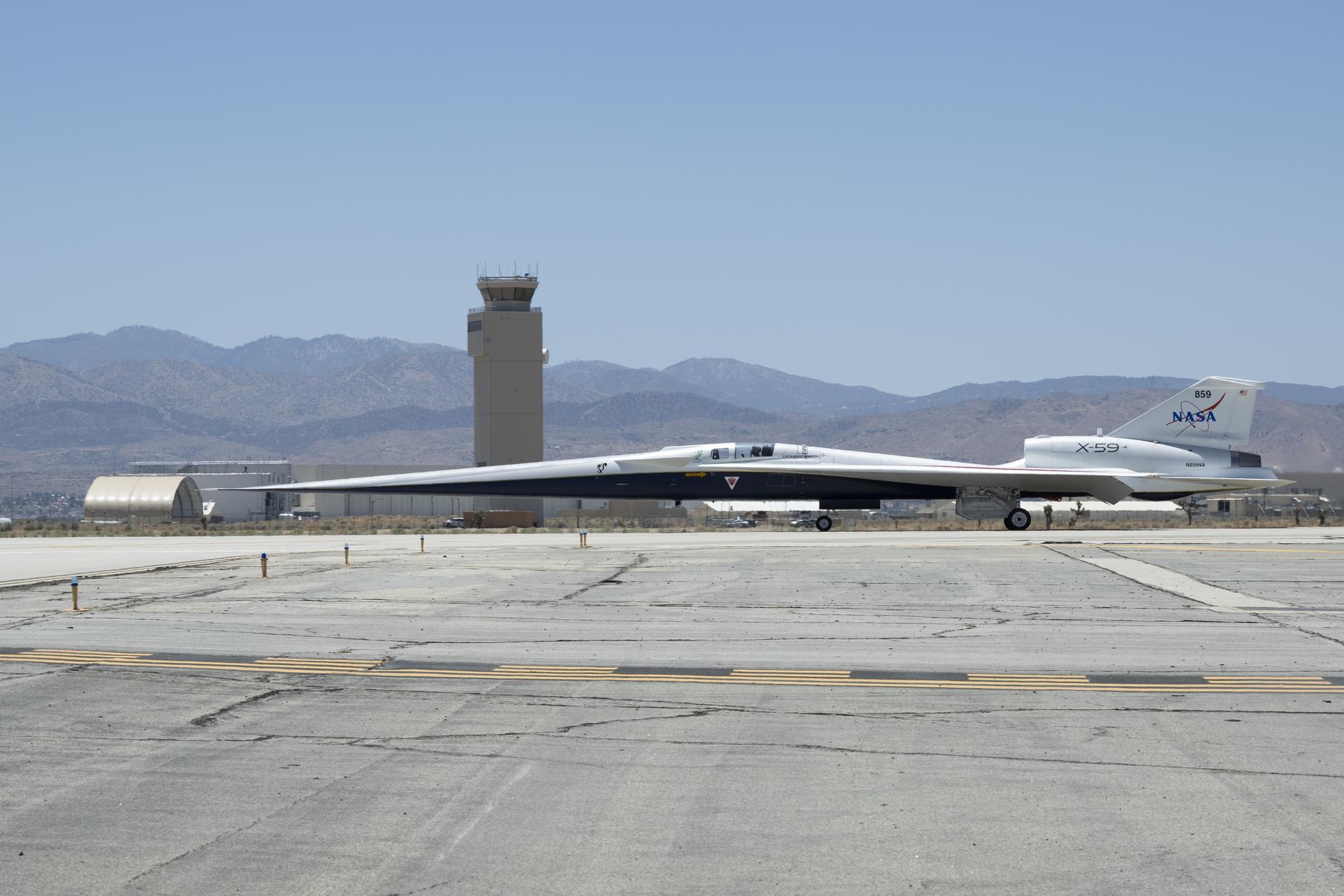 NASA’s X-59 quiet supersonic research aircraft taxis across the runway during a low-speed taxi test at U.S. Air Force Plant 42 in Palmdale, California, on July 10, 2025. The test marks the start of taxi tests and the last series of ground tests before first flight.NASA/Carla Thomas
 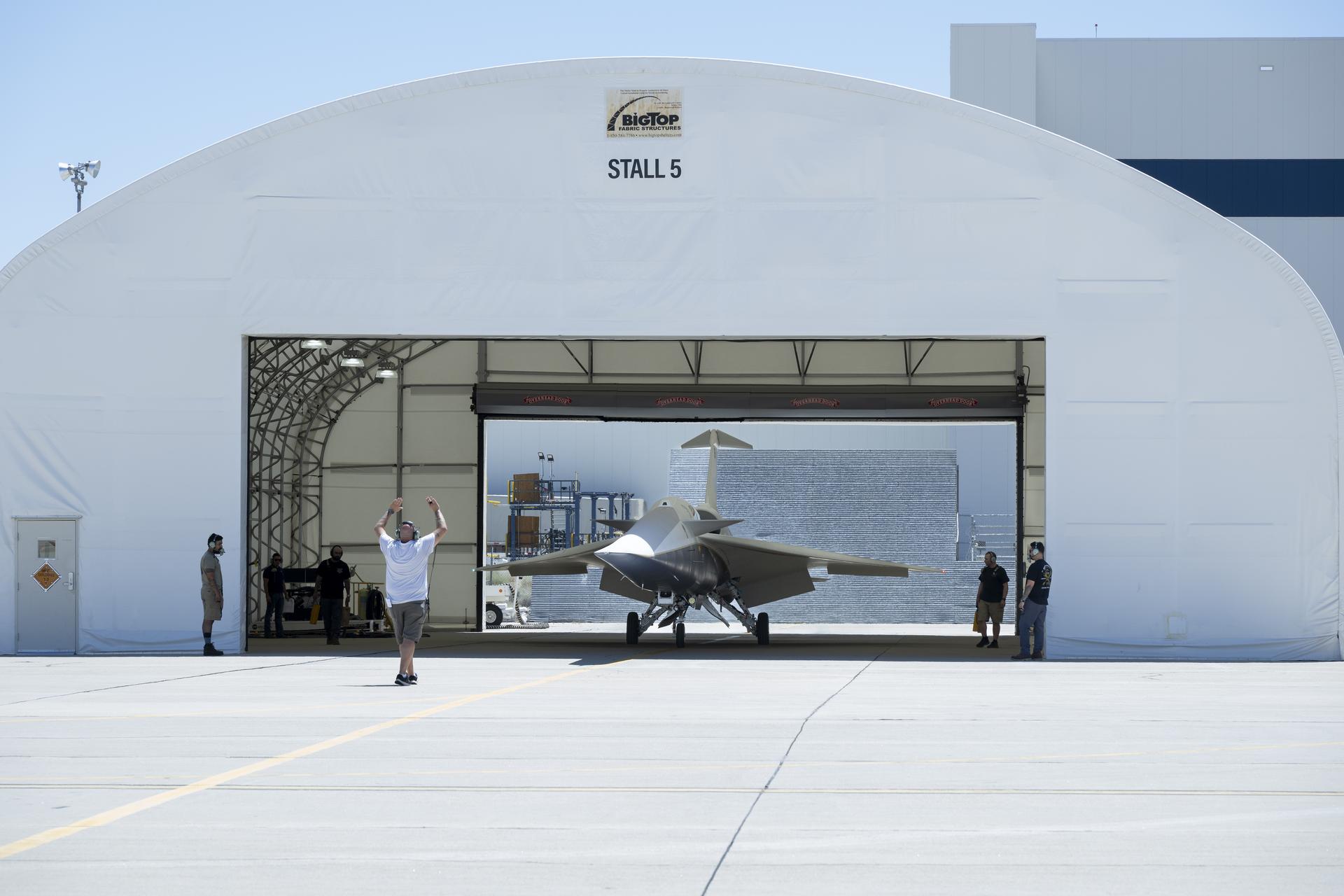 NASA’s X-59 quiet supersonic research aircraft moves under its own power for the first time at Lockheed Martin’s Skunk Works facility in Palmdale, California, on July 10, 2025. Guided by the aircraft’s crew chief, the event marks the beginning of taxi tests – a key milestone and the final series of ground tests before first flight.NASA/Carla Thomas
 3 min read NASA Glenn Announces 2025 Drop Tower Challenge Winners Article 1 day ago
  5 min read NASA’s SpaceX Crew-11 Mission Gears Up for Space Station Research Article 2 days ago
  2 min read X-59 Model Tested in Japanese Supersonic Wind Tunnel Article 6 days ago
 Keep Exploring Discover More Topics From NASA Armstrong Flight Research Center
 Integrated Aviation Systems Program